

Fully Bespoke Spaces
Request a Callback
What products are you interested in?
(Select all that apply)
Windows
Doors
Request a Callback
How should we contact you?
Thank you, your request has been sent
What should you expect now?
1
Call Back – Free No Obligation Quote & Initial Guidance
2
Consultation – Personalised 1-2-1 Expert Advice for Your Project
3
Installation – Transform Your Home with Ease Ongoing
4
Support – Help Whenever You Need It



Thank you, your request has been sent
What should you expect now?
1
Call Back – Free No Obligation Quote & Initial Guidance
2
Consultation – Personalised 1-2-1 Expert Advice for Your Project
3
Installation – Transform Your Home with Ease Ongoing
4
Support – Help Whenever You Need It
Continue Browsing
The Key Differences
Planning Permission
This is permission from your local council to carry out building work, focusing on how your project looks and affects the surrounding area, neighbours and environment.
Building Regulations
These are the minimum legal standards your build must meet for safety, structure, energy efficiency and accessibility, making sure the finished space is safe and sound.
Building Control
This is the process of checking that your project actually meets building regulations, usually through inspections carried out at key stages of the work.
What do our customers say
TLCC have done a superb job on our new conservatory. All work completed to a very professional standard, they kept us well informed on progress and reliably turned up when...
Adrian Stubbings
Via Google

We had a new conservatory fitted to replace a derelict one. Very professional from the start and five star product. So pleased and would absolutely recommend.
Read moreBeth White
Via Google
Happy to recommend the Little Conservatory Company who have just completed our replacement conservatory with solid, super insulated roof. The LCC installation team, Luke and Ritchie, were exemplary.
Read moreJohn Baylis
Via Google
Paul and his team have been absolutely brilliant with the work they completed. Punctual, professional and years of experience that just reassures you when you are trying to change and...
Ben Homans
Via Google
Excellent from start to finish. We really feel we made the right choice with The Little Conservatory Company. We were always able to speak to someone in the office easily...
Emer Glynn
Via Google
I would definitely recommend Paul and his team. They have done beautiful work. They have changed my door, all my house windows including 2 patio doors and conservatory. Starting from...
David Ferdinando
Via Google
TLCC have done a superb job on our new conservatory. All work completed to a very professional standard, they kept us well informed on progress and reliably turned up when promised. Wouldn’t hesitate to recommend!
Adrian Stubbings
Via Google
We had a new conservatory fitted to replace a derelict one. Very professional from the start and five star product. So pleased and would absolutely recommend.
Beth White
Via Google
Happy to recommend the Little Conservatory Company who have just completed our replacement conservatory with solid, super insulated roof. The LCC installation team, Luke and Ritchie, were exemplary.
John Baylis
Via Google
Paul and his team have been absolutely brilliant with the work they completed. Punctual, professional and years of experience that just reassures you when you are trying to change and tweak your home, which can be quite scary. Very grateful of the fantastic finish and installation of windows and doors too. Highly recommended all accounts. Thank you for your all of your help!
Ben Homans
Via Google
Excellent from start to finish. We really feel we made the right choice with The Little Conservatory Company. We were always able to speak to someone in the office easily if we had any questions. The workers were always very considerate and good to have around. They worked quickly and were there every day even when we had several consecutive days of rain. They were all highly skilled and we couldn’t be more pleased with the finished product. We highly recommend The Little Conservatory Company.
Emer Glynn
Via Google
I would definitely recommend Paul and his team. They have done beautiful work. They have changed my door, all my house windows including 2 patio doors and conservatory. Starting from the quote, Paul was really co operative and had vast knowledge about the products and gave me options that would suit my requirements. I had to call him back again and again and he was always able to answer my questions and put me at ease. Paul himself came to take final measurements and suggested few changes in my conservatory. The installer was outstanding with the knowledge and experience of fitting all windows, doors and my conservatory. His work is spotless. I can’t emphasise more enough to recommend The Little Conservatory Company. Keep up the good work!
David Ferdinando
Via Google





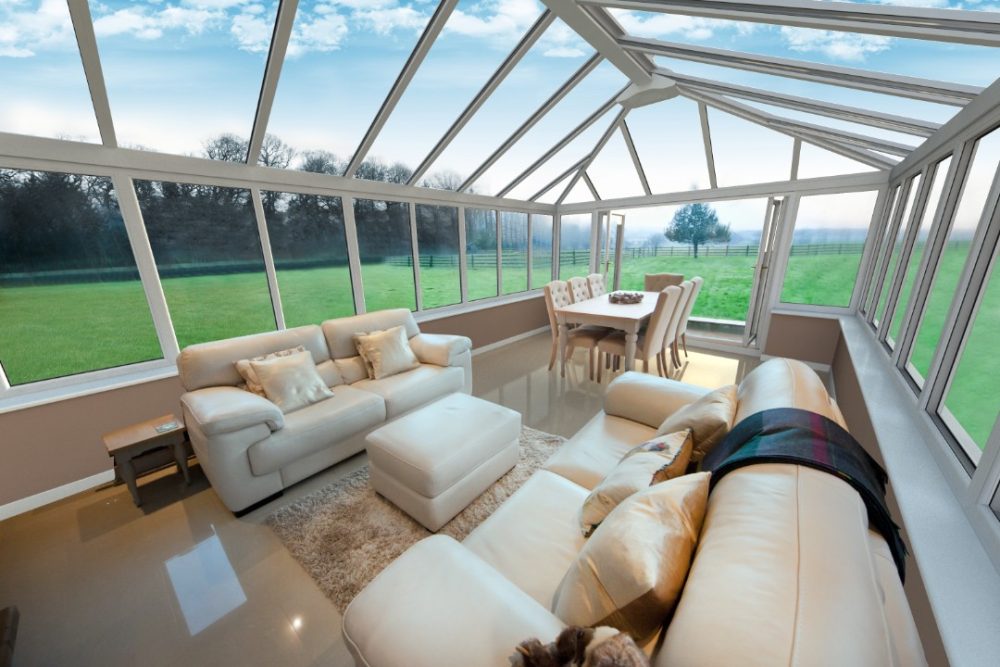
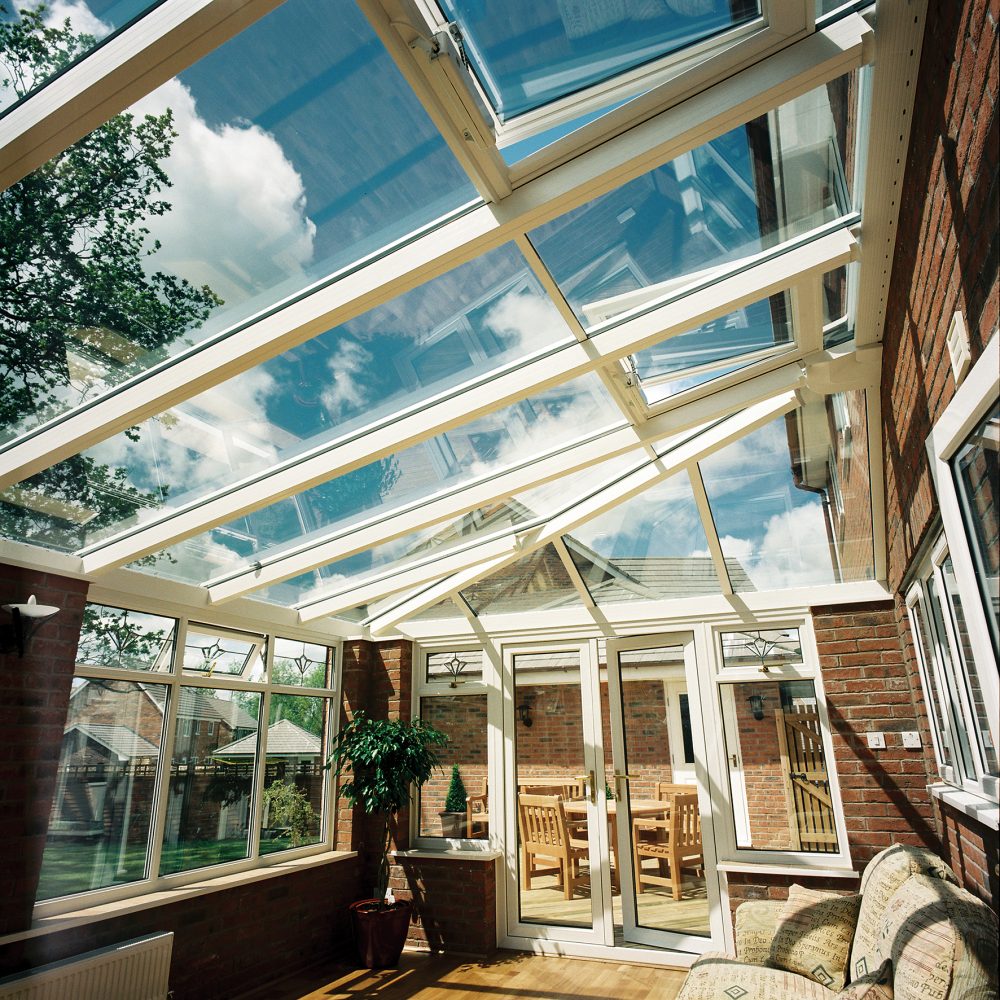
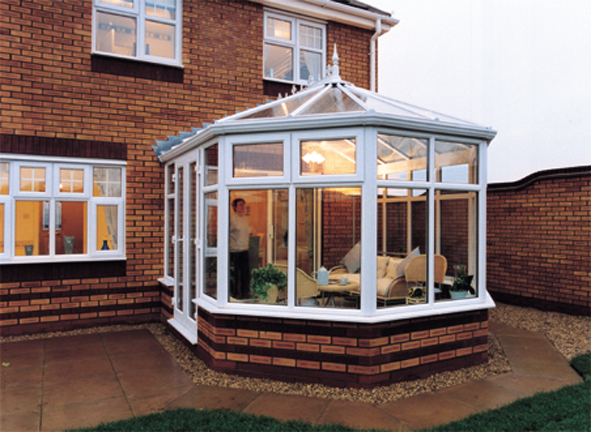
Learn More
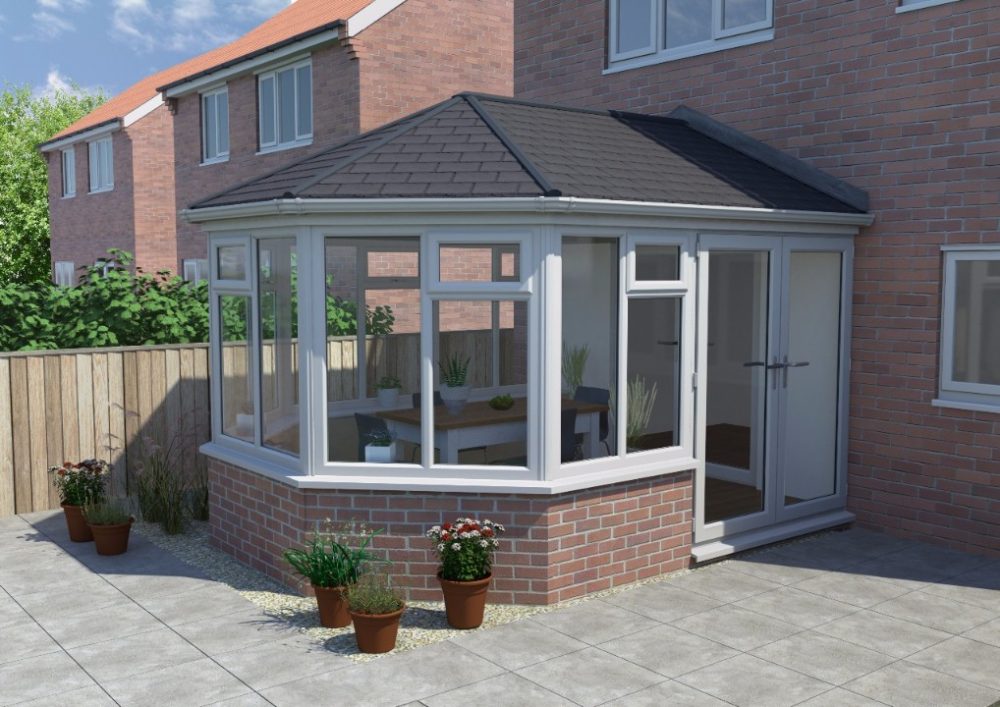
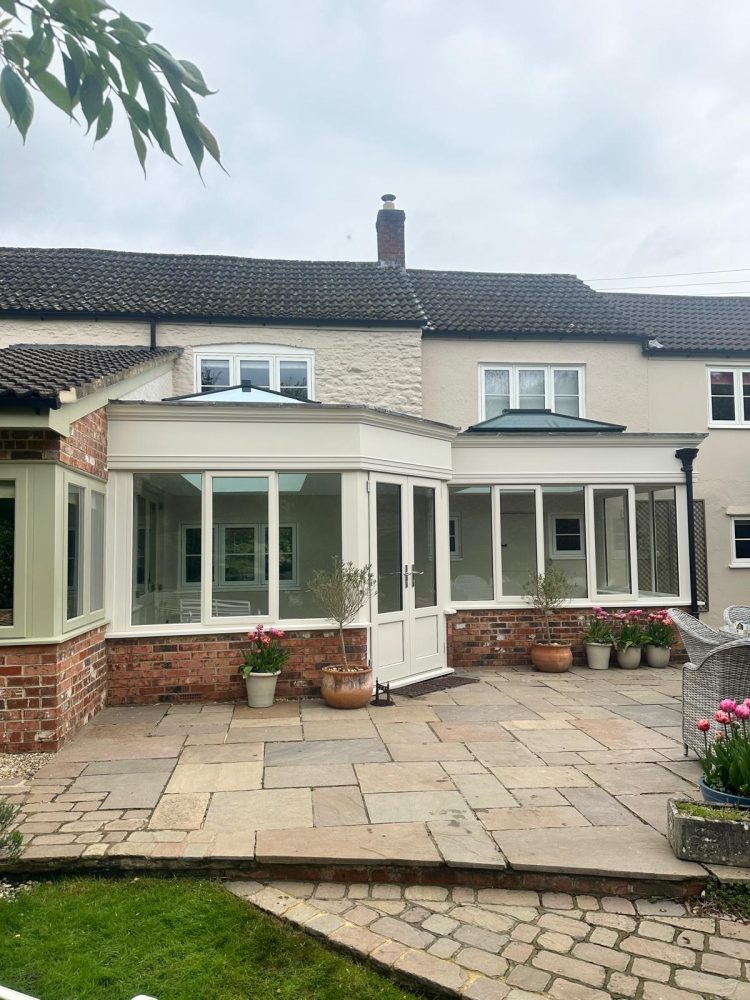
Explore the tabs to learn about various aspects of planning permission, building regulations and building control. Whether you're planning a Stroud conservatory or a Cheltenham orangery, we're here to help.- Planning Permission
- Building Regulations
- Building Control
Planning Permission
What Is Planning Permission?
Planning permission is formal consent from your local council to carry out building work or change how a property is used. It focuses on the bigger picture, such as how your project looks, its size and position, and the effect it might have on neighbours, the local area and the environment.
Planning permission is often not needed when:
- Your conservatory or extension stays within the size and height limits set by permitted development
- The structure does not extend beyond the front of your property towards a road
- It does not cover more than half the land around your original house
- Your home is not listed or located in a conservation area
- Your project exceeds permitted development size or height limits
- You live in a listed building, conservation area or area of outstanding natural beauty
- Previous extensions have used up your permitted development allowance
- The build affects shared boundaries, access or rights of way
Planning permission is usually required when:
Our team is happy to advise you on whether planning permission applies to your plans. You can also view our full planning permission guide by following the link below.
View Our Planning Permission Guide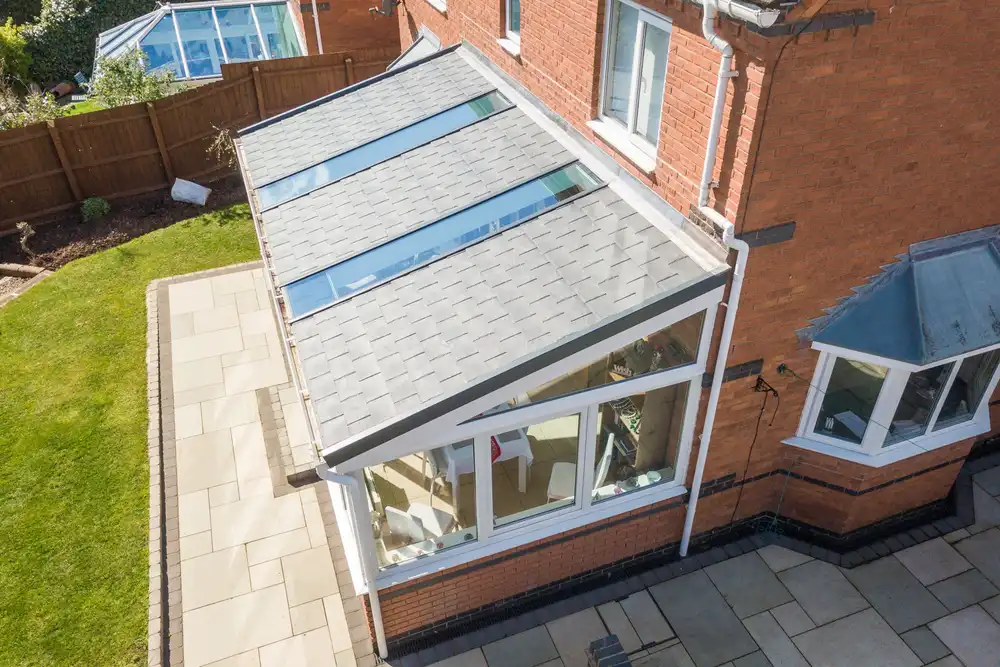
Building Regulations
What Are Building Regulations?
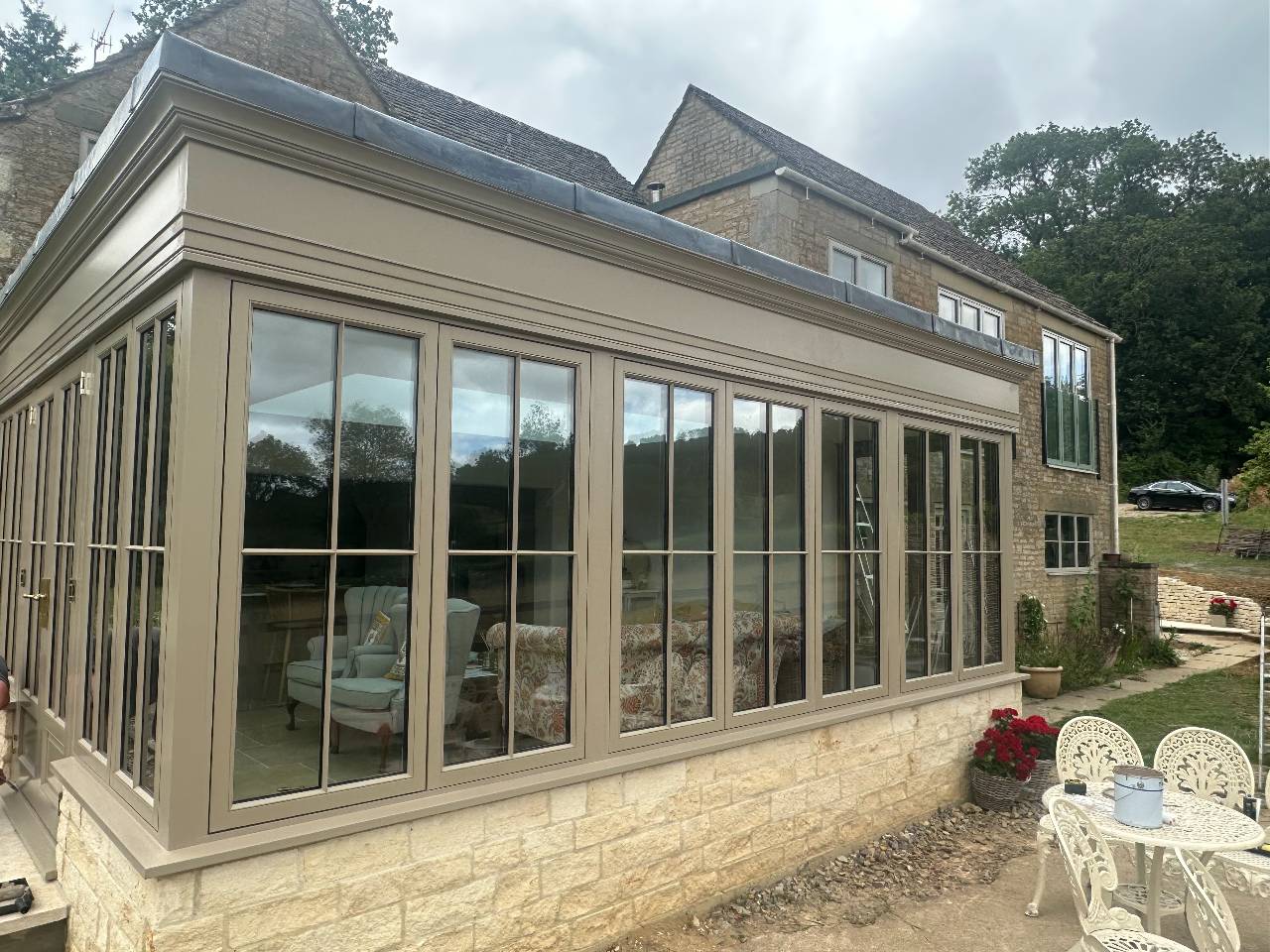
Building regulations set the minimum standards your project must meet to be safe, structurally sound and energy efficient. They cover practical elements such as foundations, drainage, insulation, ventilation and the safety of glazing. Conservatories are often exempt when they meet specific conditions, whereas orangeries and extensions are usually treated as full builds that require approval.
- Conservatories: Often exempt from building regulations when built at ground level, under 30 square metres, separated from the house by external quality doors and fitted with an independent heating system.
- Orangeries: Because they feature more solid walls and a larger roof structure, orangeries are generally treated as extensions and usually require building regulations approval.
- Extensions: Almost always require building regulations approval, covering foundations, structural stability, drainage, insulation and ventilation.
- Removing dividing doors: If you open up an exempt conservatory to the main house, building regulations are likely to apply, as the space becomes a fully integrated room.
- Electrics and heating: Any new electrical work or extension of your central heating system into the new space may also need to meet building regulations.
If you are unsure which rules apply to your project, our team can explain everything clearly and guide you through what is needed.
Get Your Free Consultation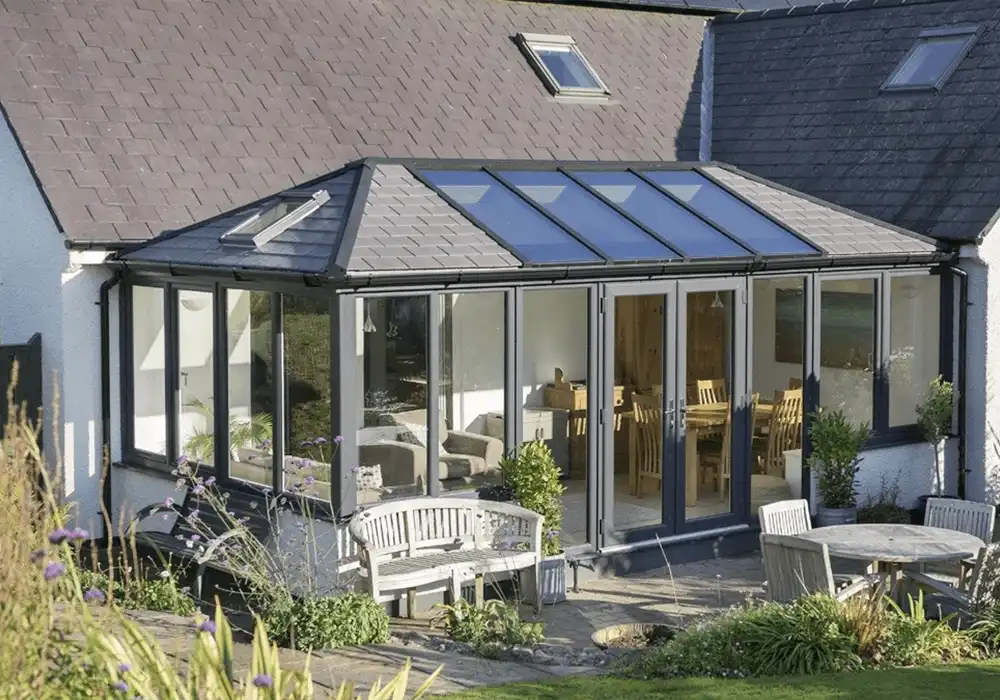
Building Control
What Is Building Control?
Building control is the process of checking that your project meets the building regulations. If the regulations are the standards, building control is how those standards are confirmed, through inspections carried out at key stages of the build. Once your project passes its final inspection, you receive a completion certificate. This proves the work was done correctly and is often requested when you sell your home, so keep it safe.
- Full plans application: Drawings are approved before work begins, giving certainty your design meets the regulations.
- Building notice: Suited to smaller projects, allowing work to start sooner with inspections as the build progresses.
- Stage inspections: An officer checks key points such as foundations, drainage and insulation.
- Completion certificate: Your proof of compliance, often needed when selling your property.
At The Little Conservatory Company, we manage this process and liaise with building control on your behalf, so your project is fully compliant from start to finish.
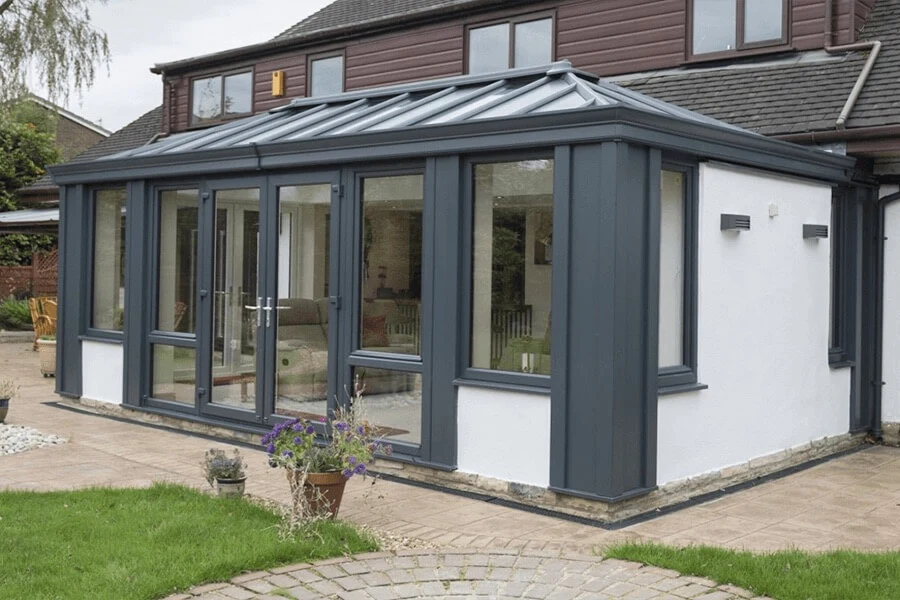
1-2-1 Design Consultation
If you'd like to find out more about building control or if you have any questions, please get in touch. We'd be more than happy to discuss your options and our expert team can recommend the ideal choice to suit your design preferences.
Free Consultation




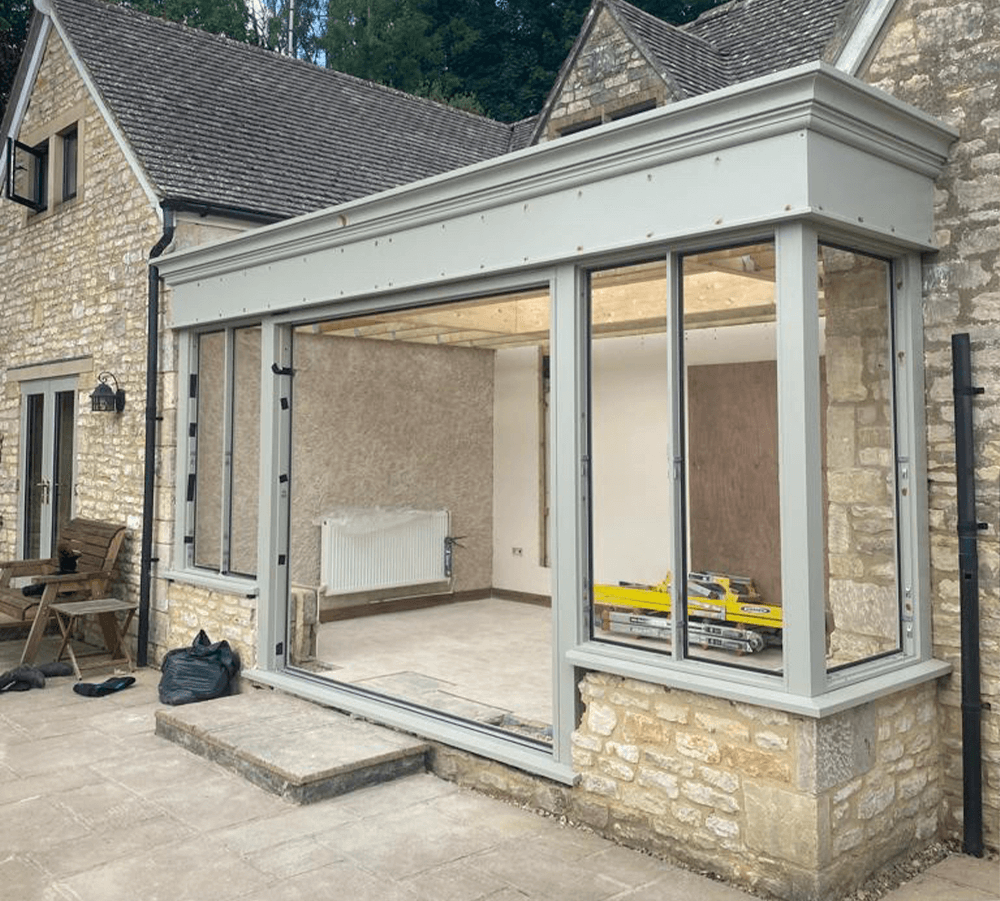

Does Your Project Need Building Control?
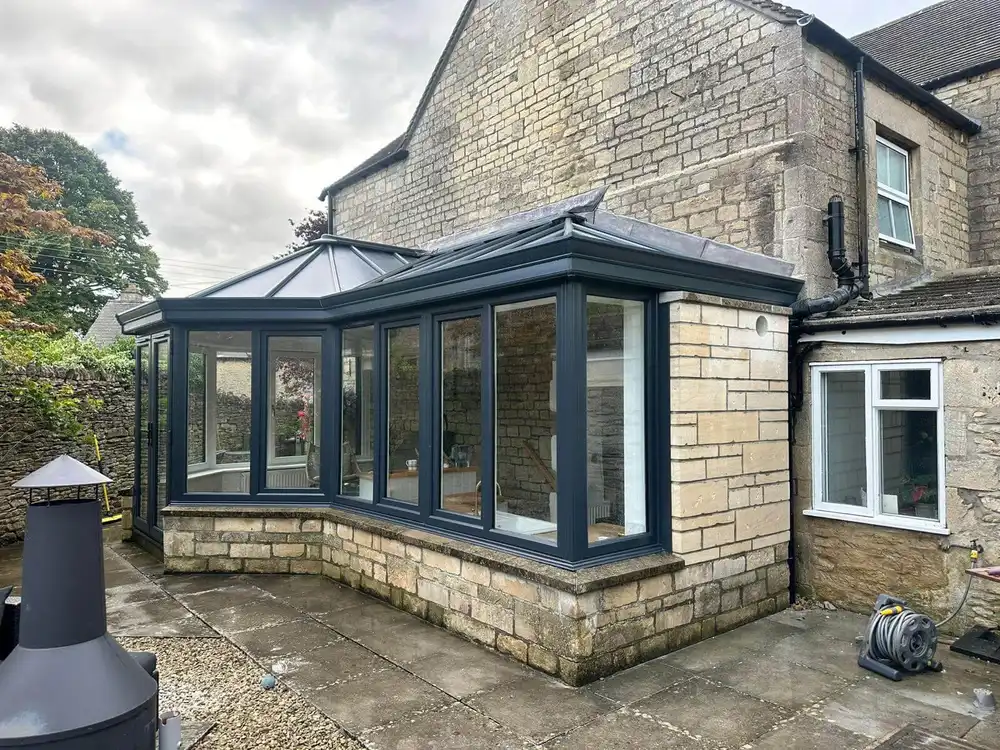
Building control applies whenever your project needs to meet building regulations. For many conservatories that qualify as exempt, building control is not required, provided the structure stays within the specific exemption conditions. However, orangeries and extensions almost always fall within its scope because of their solid walls, larger roofs and permanent use as integrated living space.
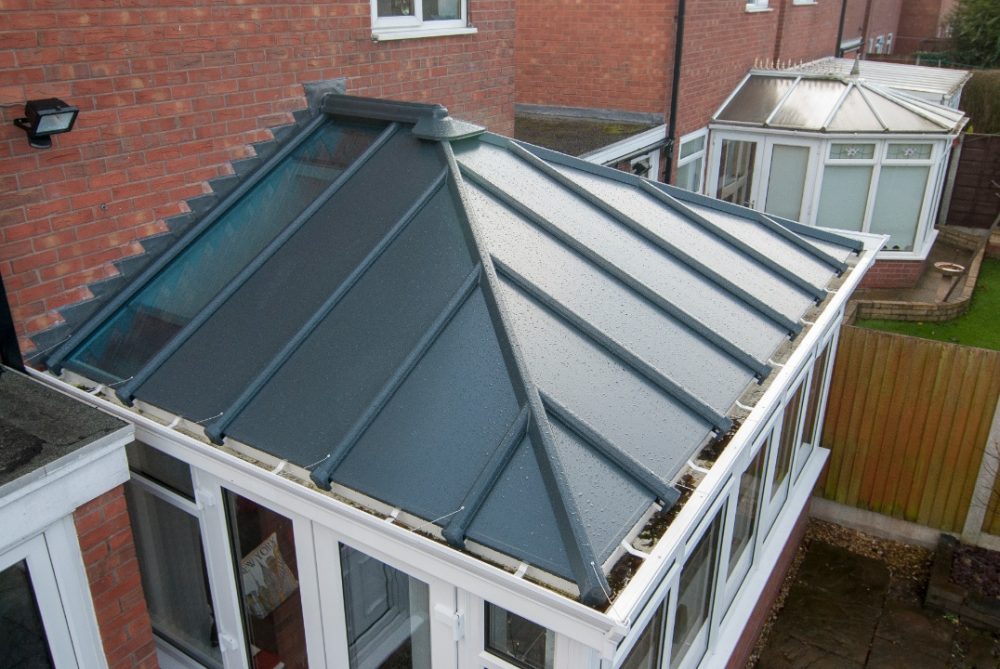
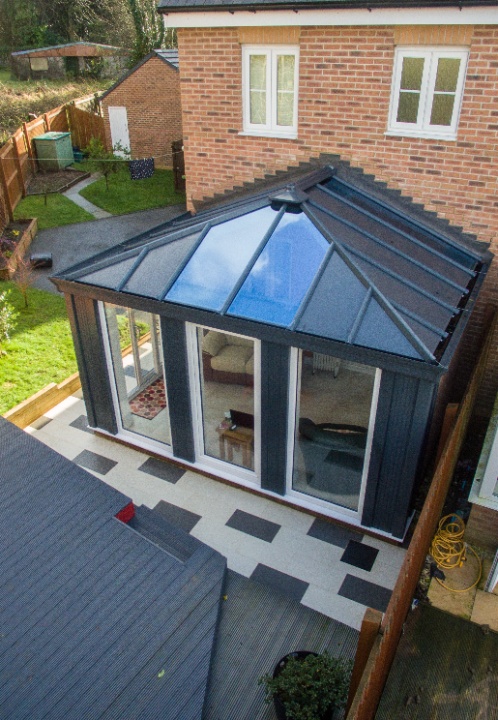
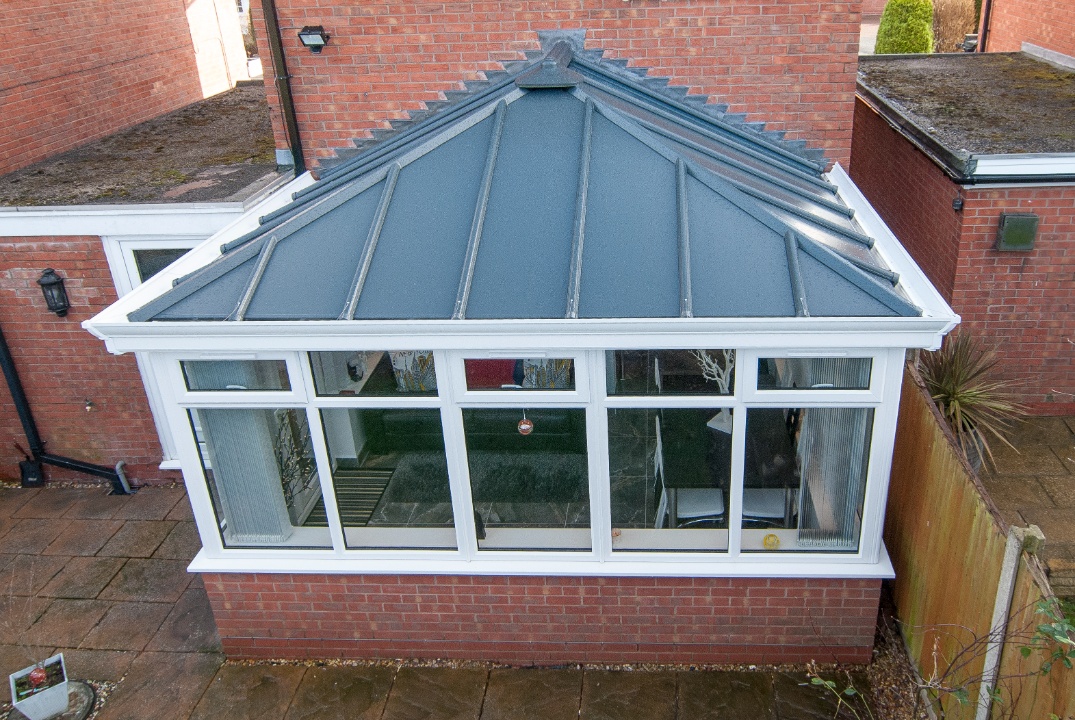
Building control is also triggered when you replace a lightweight glazed roof with a solid tiled one, or when you remove the dividing doors between a conservatory and your home. In short, the more your project resembles a permanent extension of the house, the more likely building control will apply.
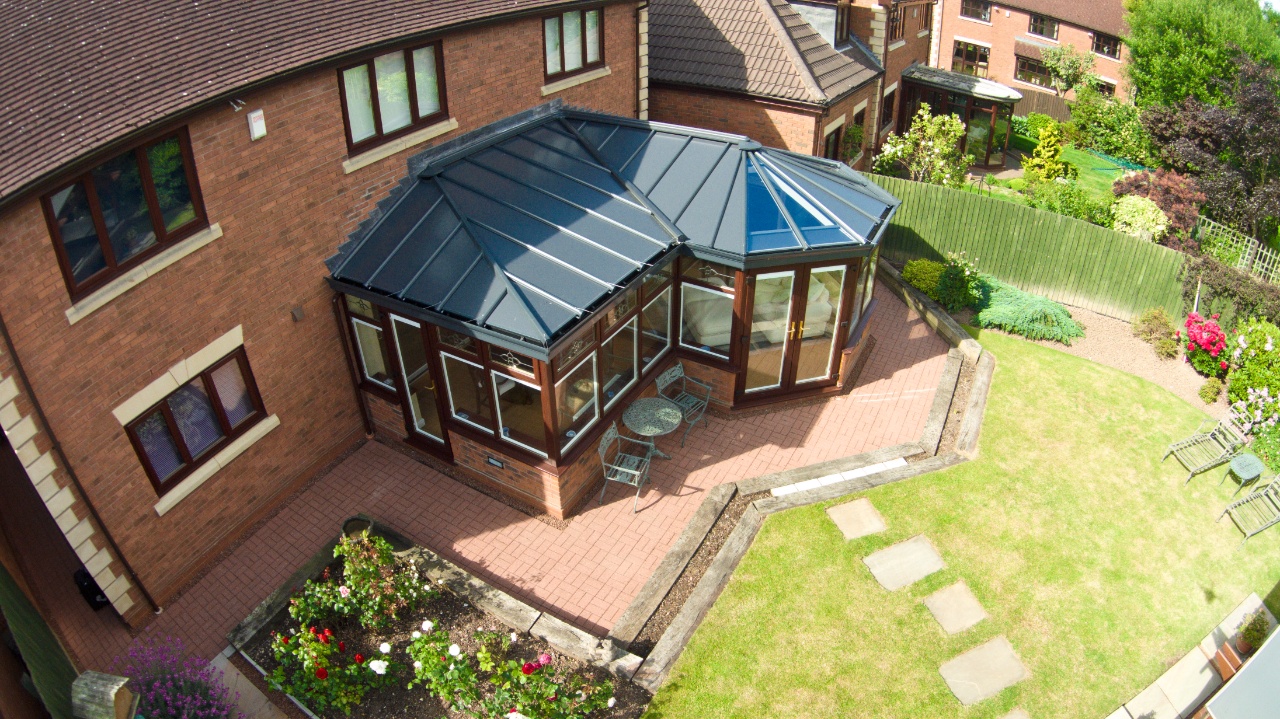
Glazed Roof vs Solid Tiled Roof: What You Need to Know
The difference between a glazed roof and a solid tiled roof is one of the most important factors in understanding building control for your project.
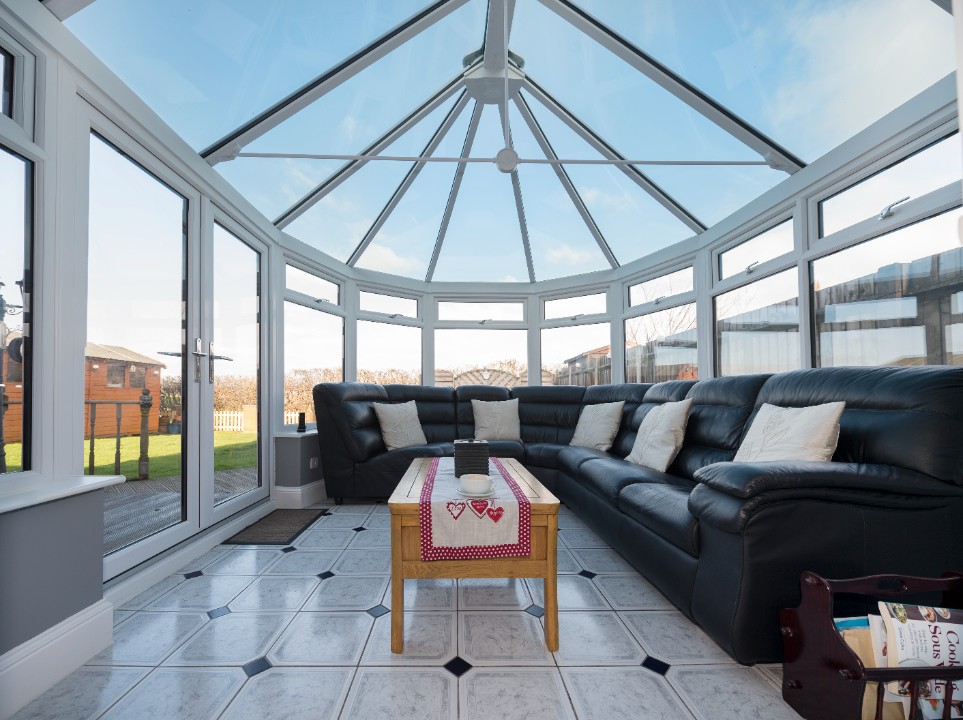
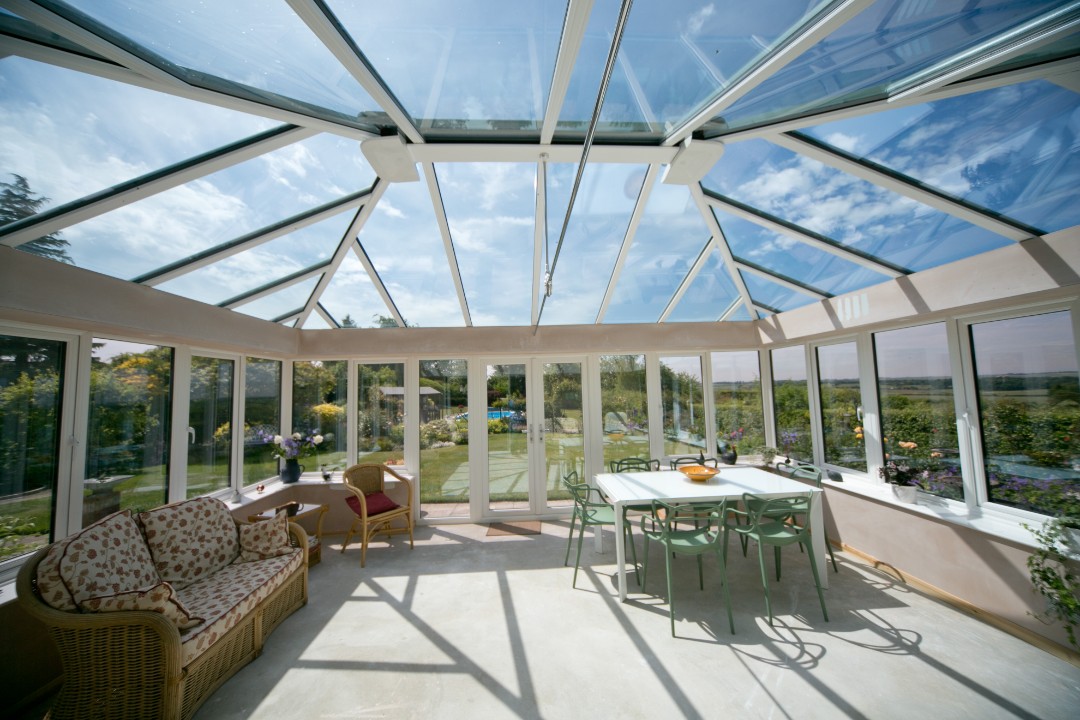
Glazed roofs are lighter and allow plenty of natural light into the space. When fitted as part of an exempt conservatory, they often do not trigger building regulations, provided all the other exemption conditions are met.
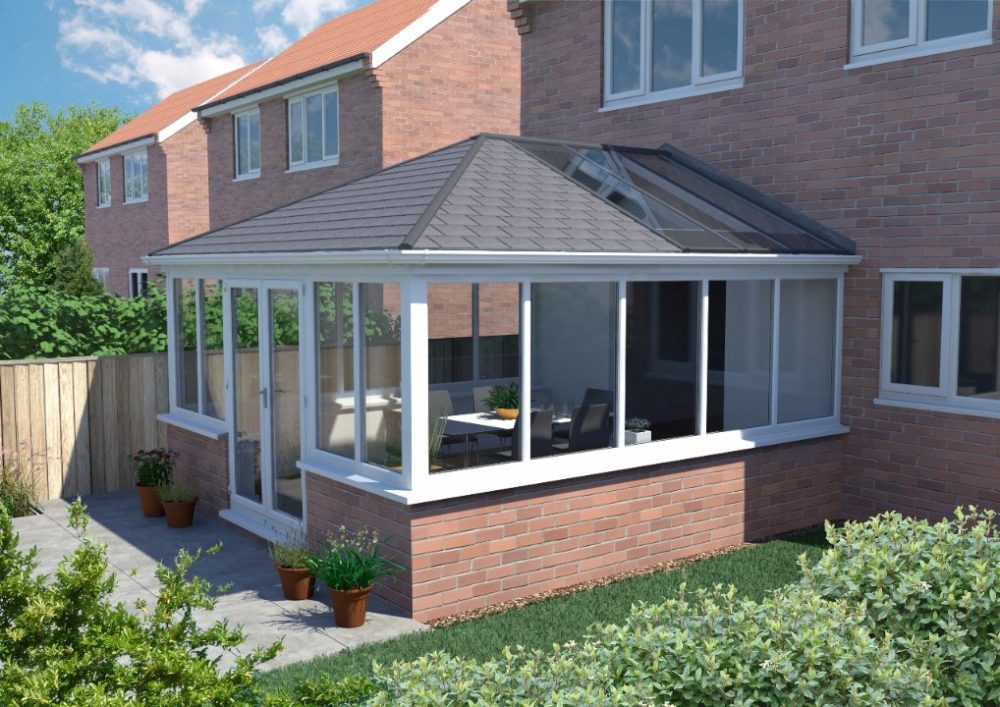
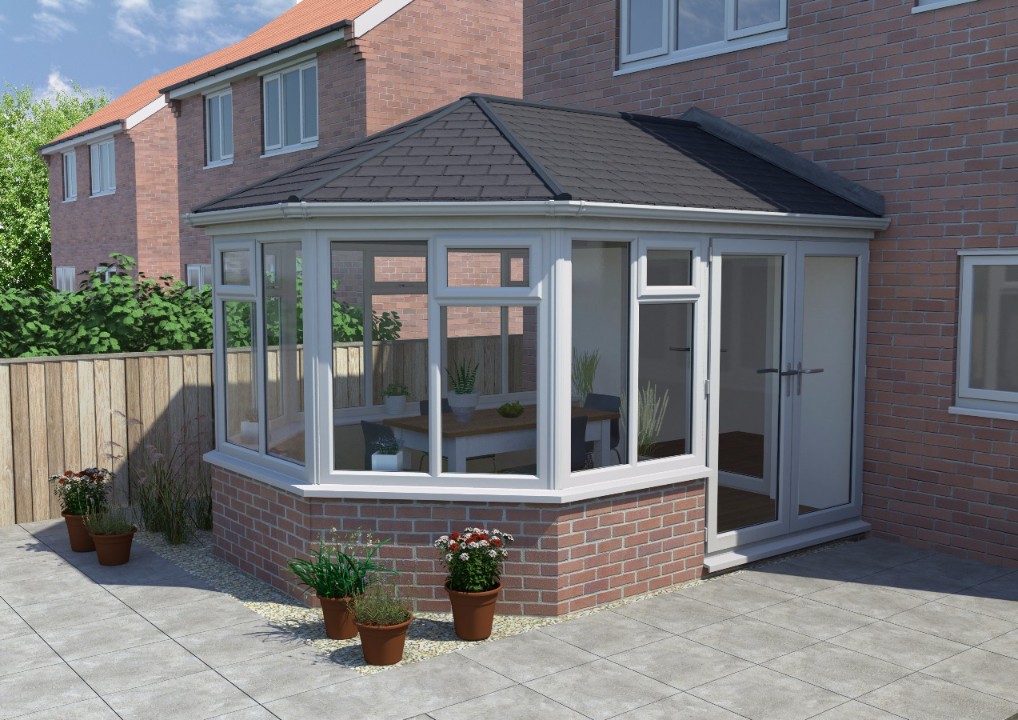
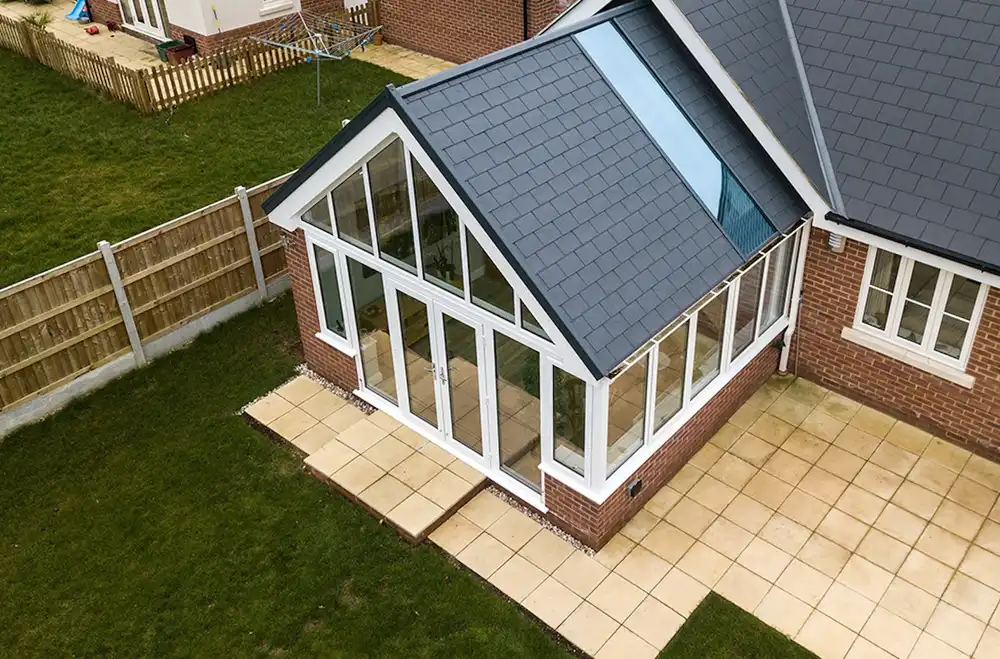
Solid tiled roofs offer better insulation and make a space feel more like a permanent room. Because of their additional weight, the existing structure and foundations must be checked to confirm they can safely carry the load. This usually means building regulations approval is required, including inspections to verify the work meets the necessary standards.
This is why it is so important to seek expert advice before replacing a roof for your Gloucestershire home. What seems like a simple upgrade can change the legal status of your whole structure.


From Foundations to Finish: What to Expect
The process usually begins with one of two routes. A full plans application means your drawings and specifications are approved before work starts, giving you certainty from the outset. A building notice is better suited to smaller projects and allows work to begin sooner, with inspections carried out as the build progresses.
During the build, a building control officer will inspect key stages such as the foundations, structural work, drainage and insulation. Once everything is complete and meets the required standards, you receive a completion certificate. This is an important document that proves your project was carried out correctly, and it is often requested when you come to sell your home.
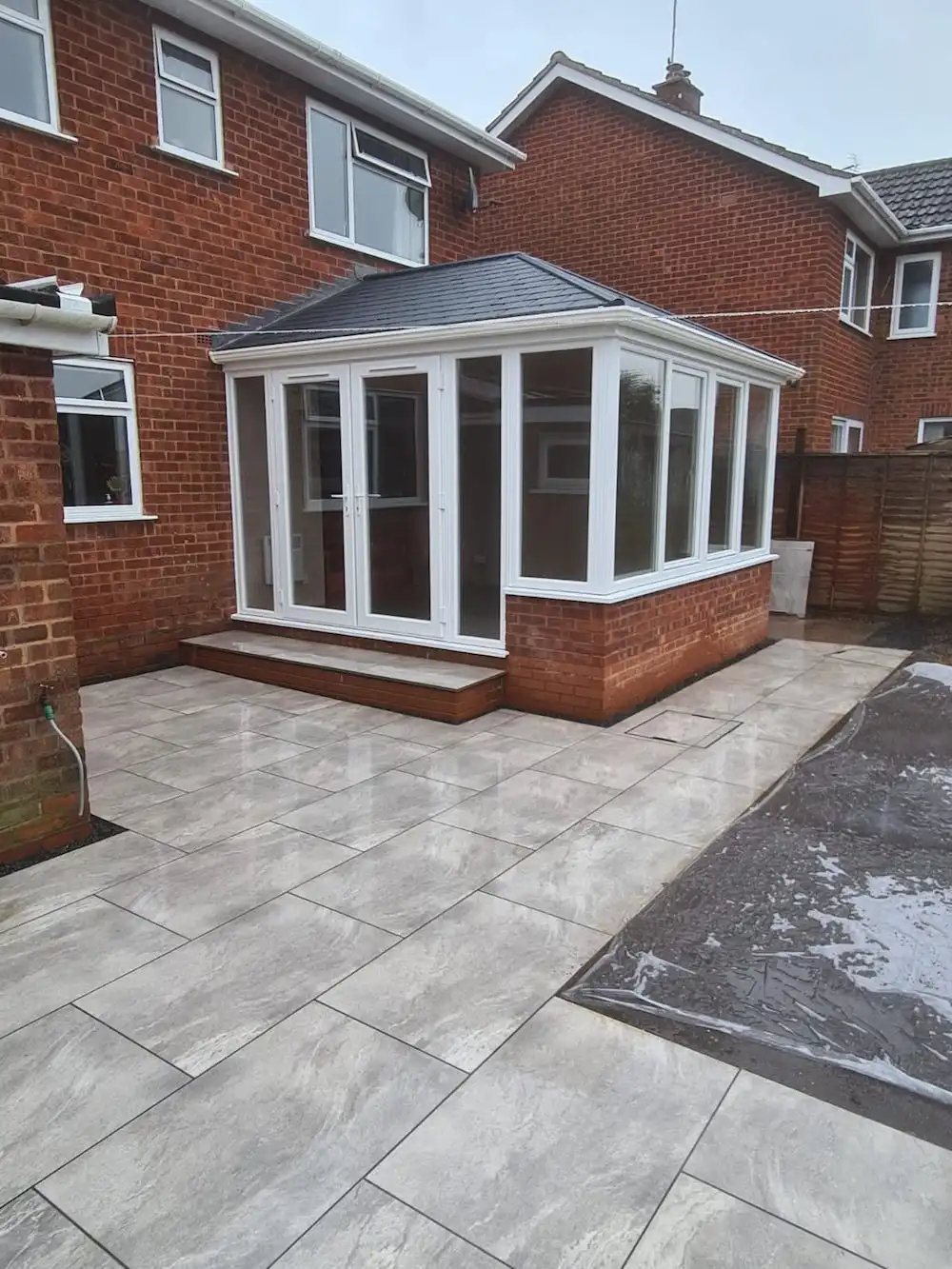
Leave the Paperwork to Us

Frequently Asked Questions
We've answered some commonly asked questions to help you make an informed decision about your home improvement project. If you have any other questions, please get in touch!
Contact UsWho is responsible for building control?
Ultimately, the homeowner is legally responsible for making sure their project complies with building regulations. However, when you work with The Little Conservatory Company, we manage the process for you, preparing applications and liaising with the building control officer on your behalf so nothing is overlooked. Whether you’re replacing a conservatory roof in Stroud or building a brand new extension in Cirencester, our knowledgeable team is here to answer any questions you have.
Do I need planning permission for a conservatory?
In many cases, no. Most conservatories fall under permitted development, provided they stay within set size, height and boundary limits. Planning permission is more likely to be needed if you live in a listed building, a conservation area, or if previous extensions have used up your permitted development allowance.
Do I need building regulations approval to replace my conservatory roof?
Usually yes, if you are switching from a lightweight glazed roof to a solid tiled one. The added weight means the existing structure and foundations must be checked to confirm they can safely support it, which brings the project within the scope of building regulations.
What is the difference between building regulations and building control?
Building regulations are the standards your project must meet, covering things like safety, structure and energy efficiency. Building control is the process of checking that those standards have actually been achieved, usually through inspections at key stages of the build.
Will I receive a certificate when the work is finished?
How long does the building control process take?
What services do you provide and what areas do you serve?
The Little Conservatory Company Ltd specialises in bespoke conservatories, orangeries, and creative living spaces. We serve homes throughout Gloucestershire, Worcestershire, Oxfordshire and the surrounding areas, including Cheltenham, Stroud Tewkesbury, Gloucester, and the Cotswolds. With over 20 years of experience and our base in Cheltenham, we’re perfectly positioned to deliver quality and professional installation for all types of conservatories, orangeries, and creative living spaces.
Can you handle the whole process for me?
Absolutely. From your first consultation through to completion, we advise on what is required, manage the applications and liaise with building control directly. With an assigned Project Manager, you always know exactly what is happening and why. To find out more, call our friendly Cheltenham team on 01242 681207.
Get in touch with us today and transform your home
Latest Case Studies
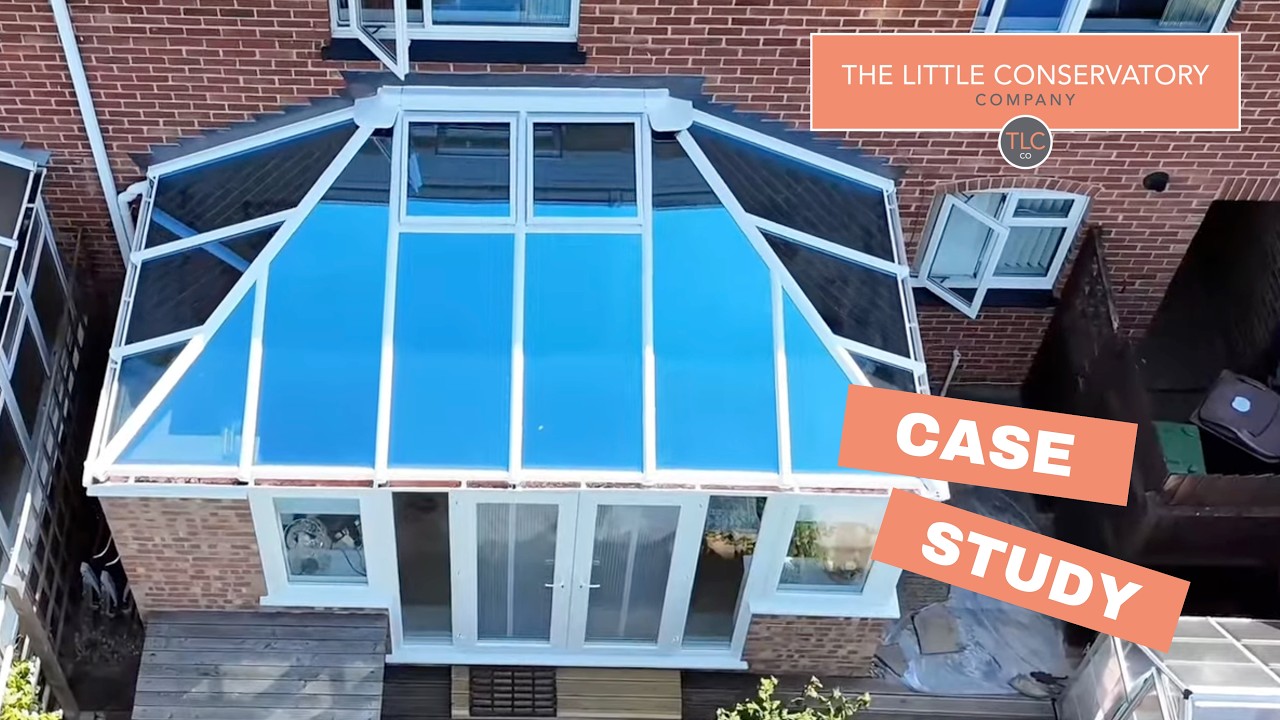
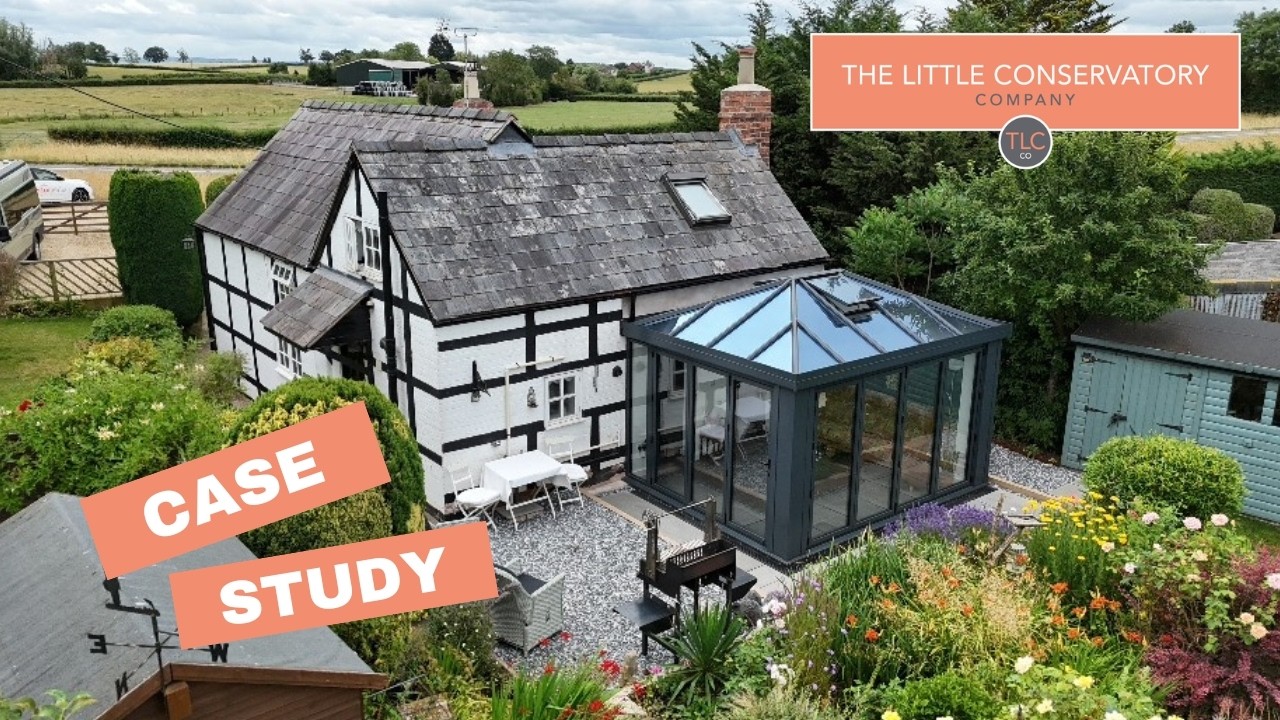
New Build Conservatory Installation | uPVC Frames & Ultraframe Classic Roof | Tewkesbury
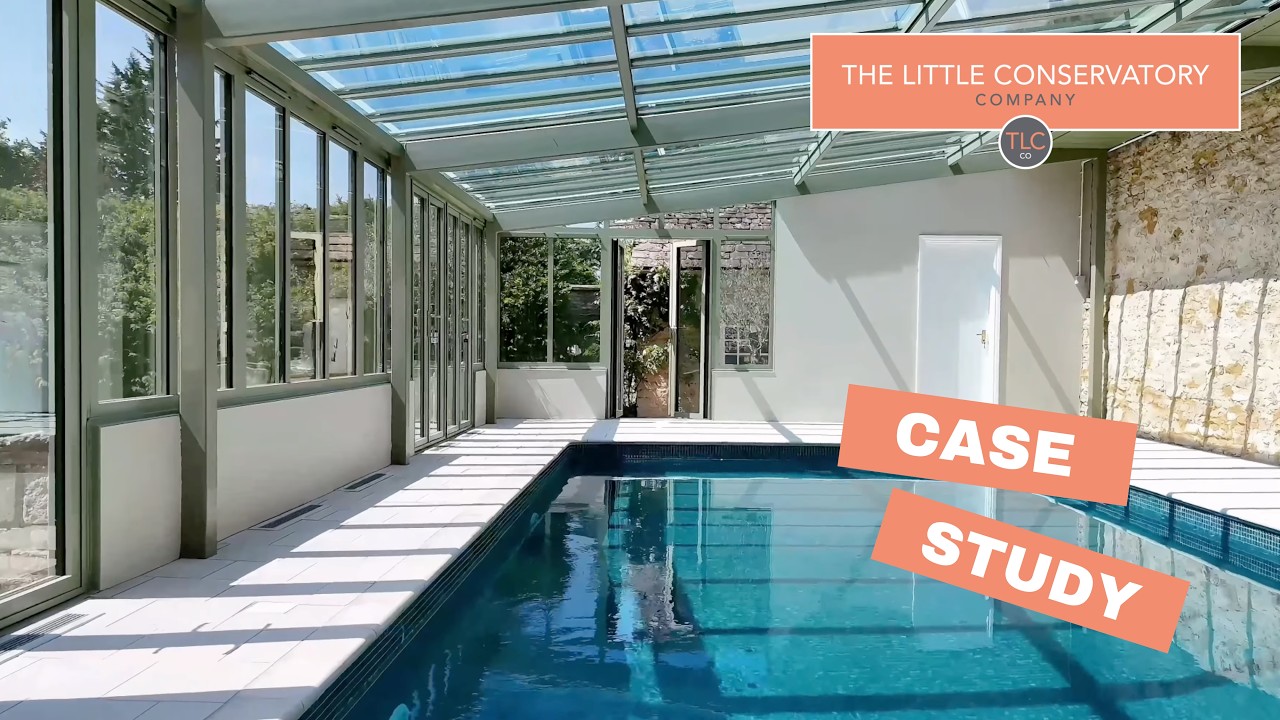
Creative Living Spaces
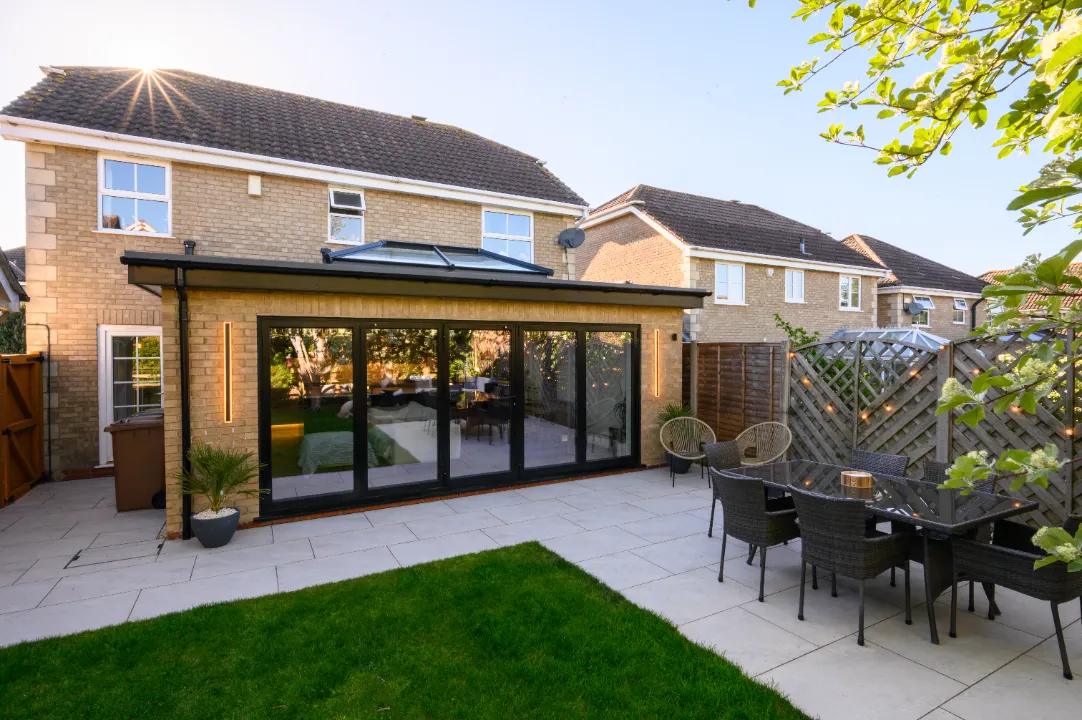
New Build Aluminium Conservatory | Ultraframe LivinRoom Roof
Latest News
News
Home extension trends in Gloucestershire: What homeowners are choosing now
Deciding to expand your home is an exciting milestone, but navigating the vast array of design choices can feel overwhelming at first glance. Across Gloucestershire, homeowners are increasingly focusing on...
Read more
Conservatories
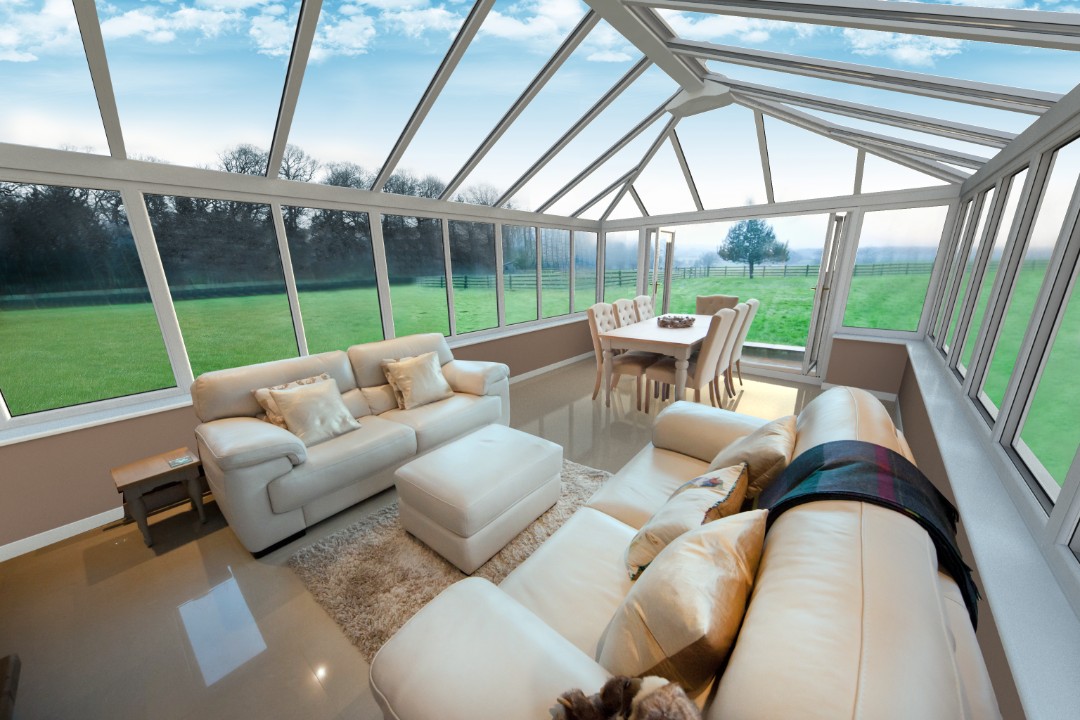
How long do conservatory roofs last?
For many homeowners considering a new conservatory, or looking to upgrade an existing one, the biggest question is simple: how long does a conservatory roof last before it needs attention?...
Read more
Conservatories
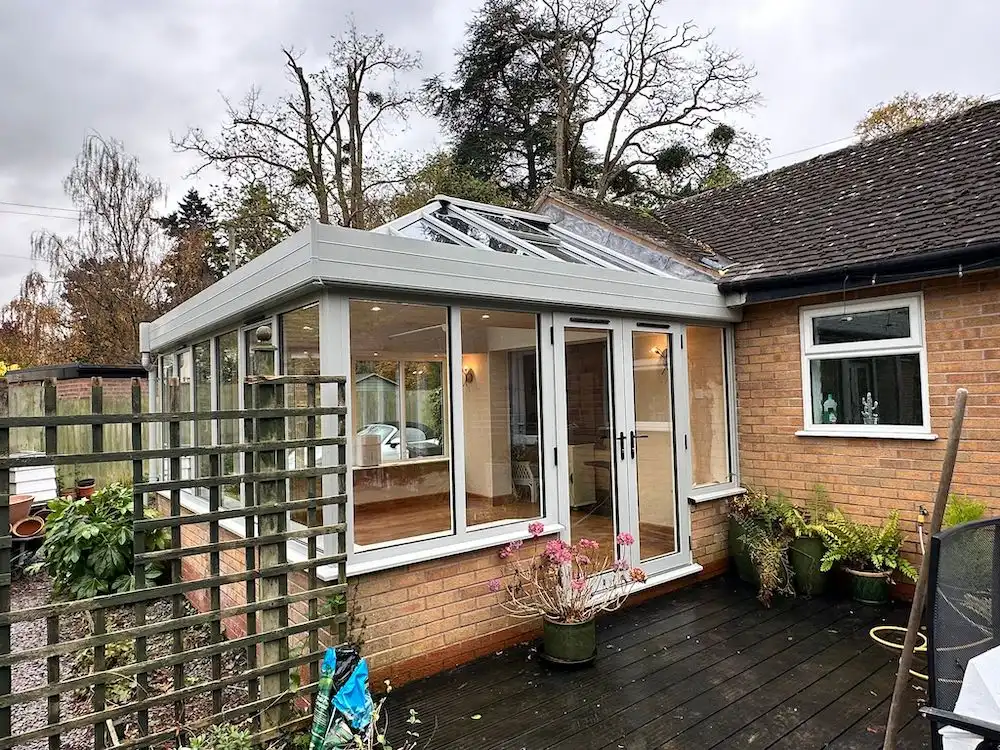
Conservatory maintenance checklist: What to inspect each season to avoid leaks and heat loss
A conservatory is a wonderful addition to any home, providing a bright, multi-functional area that connects your living spaces with the garden. However, because these structures are subjected to changing...
Read more
News
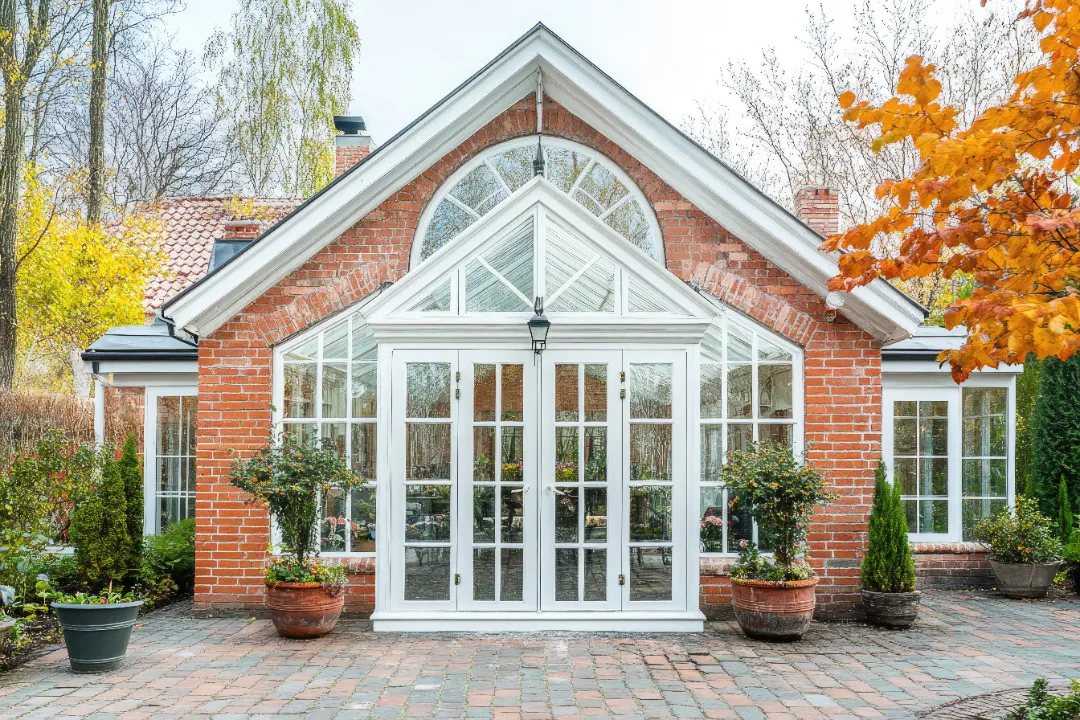
Aluminium vs Timber vs uPVC for Conservatories: Which Material Fits Your Home and Budget?
Adding a conservatory to your property is one of the most significant home improvement decisions you can make. It creates a dedicated space flooded with natural light, bridging the gap...
Read more
News
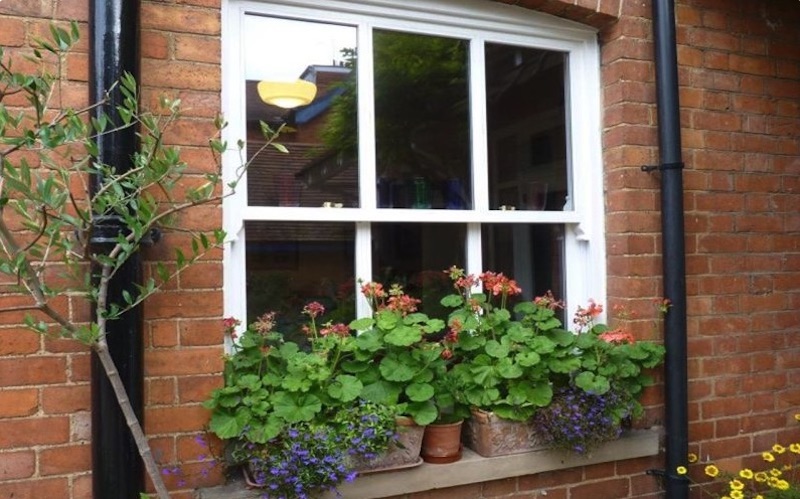
Best Timber For Sash Windows: Which Species Performs Best in UK Weather?
If you're considering timber sash windows, one of the first questions you'll face is: which wood should I choose? The answer matters more than you might think. The right timber...
Read more
News
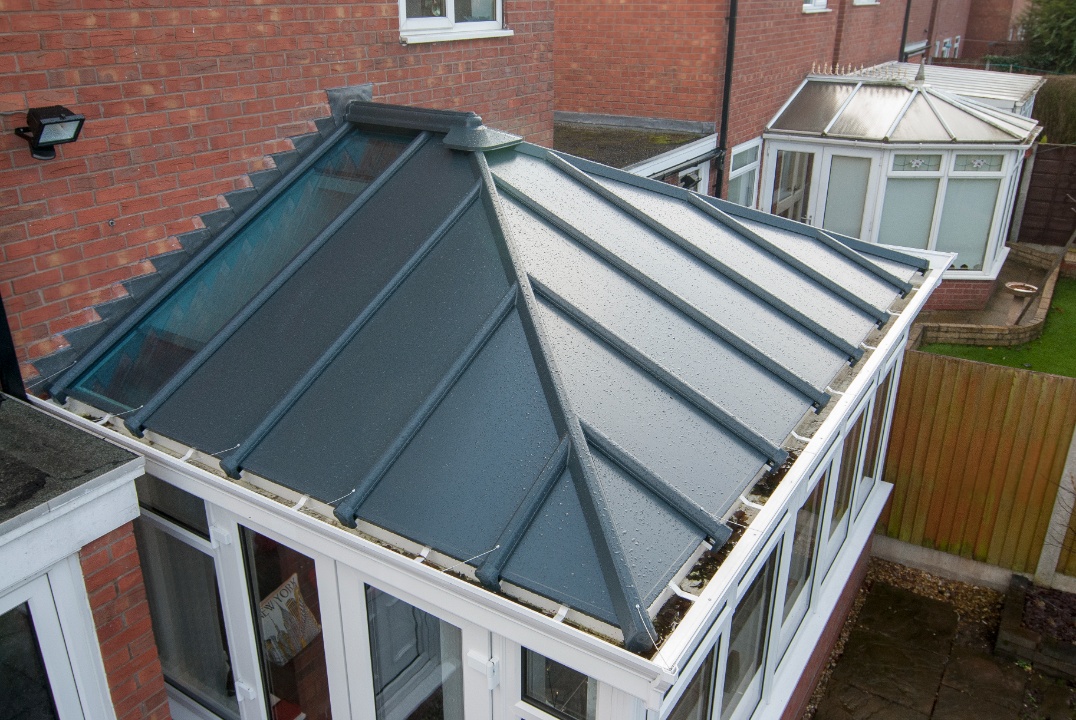
Replacement Conservatory Roofs: Signs You Need an Upgrade
A conservatory is often the most loved yet most underutilised room in a British home. It begins as a dream of a bright, airy living space - a place to...
Read more