









Conservatory maintenance checklist: What to inspect each season to avoid leaks and heat loss
- 30 Jul 2026|
- Conservatories|
- Posted by Paul Davies
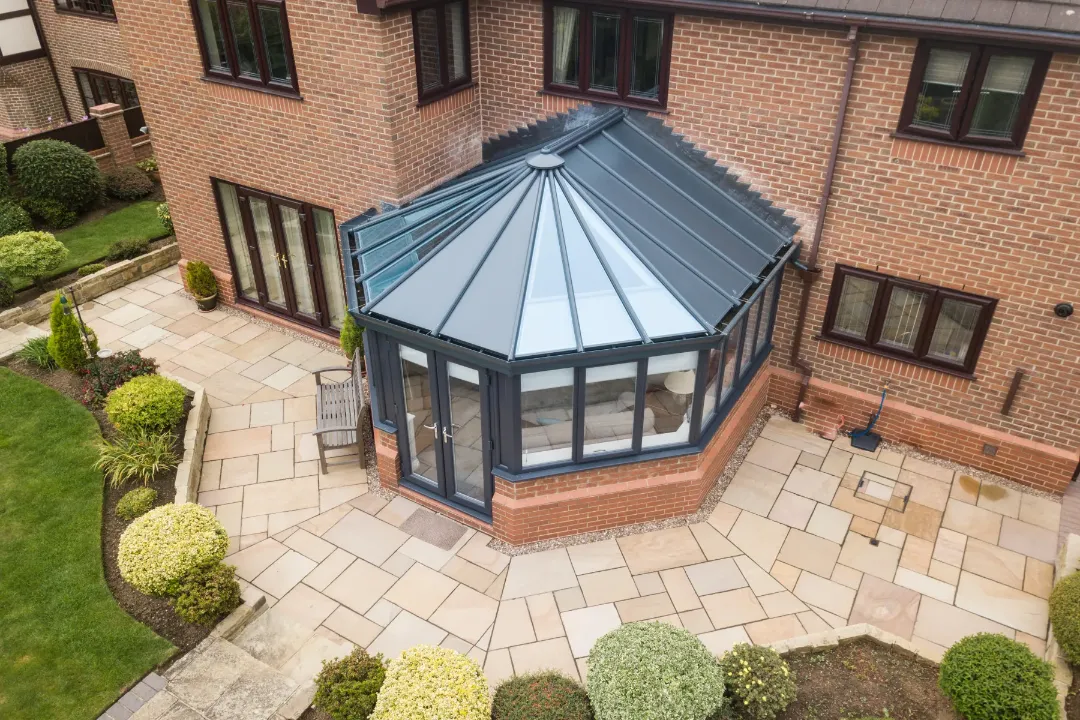
A conservatory is a wonderful addition to any home, providing a bright, multi-functional area that connects your living spaces with the garden.
However, because these structures are subjected to changing weather year-round, they require proactive upkeep. Left unattended, minor wear and tear can quickly turn into structural issues, affecting everything from your indoor temperature to your monthly energy bills.
Using a structured conservatory maintenance checklist is the easiest way to catch small issues early.
At The Little Conservatory Company, we prioritise attention to detail, beautiful design, and quality workmanship. Protecting that investment starts with a regular, structured maintenance routine.
Material-specific frame care: Timber vs. uPVC vs. aluminium
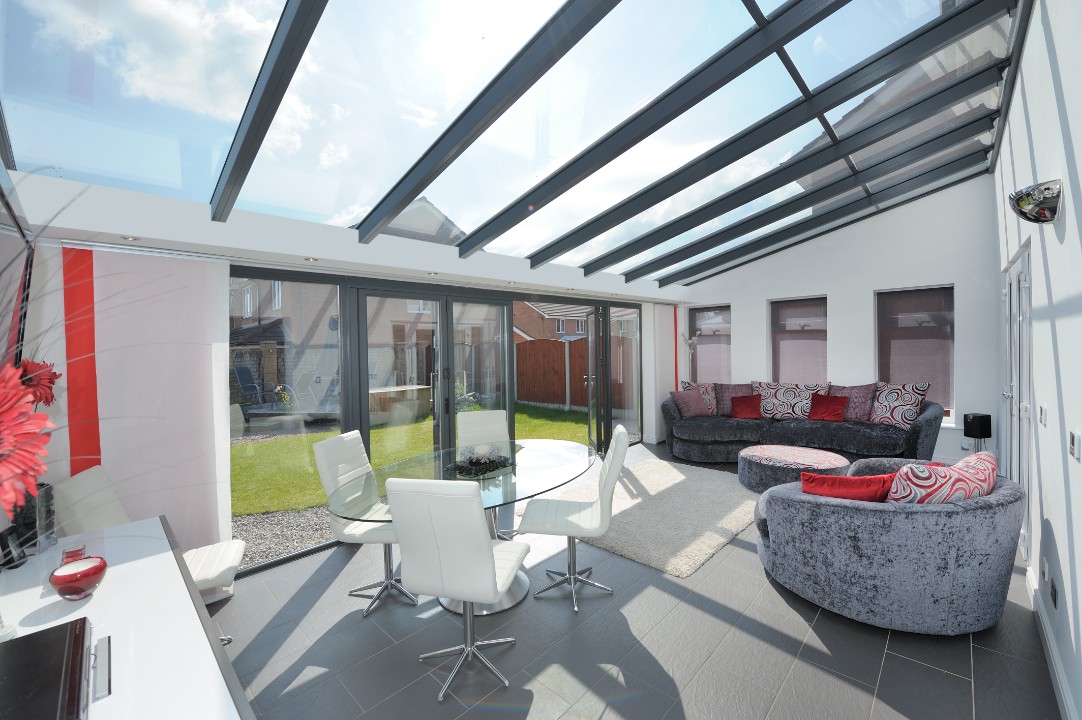
While seasonal checks are essential across all structures, different frame materials react uniquely to environmental conditions. Tailoring your maintenance routine to your specific frame material is key to preserving structural integrity, preventing thermal degradation, and avoiding costly replacements.
1. Timber frames: Natural beauty requiring proactive defence
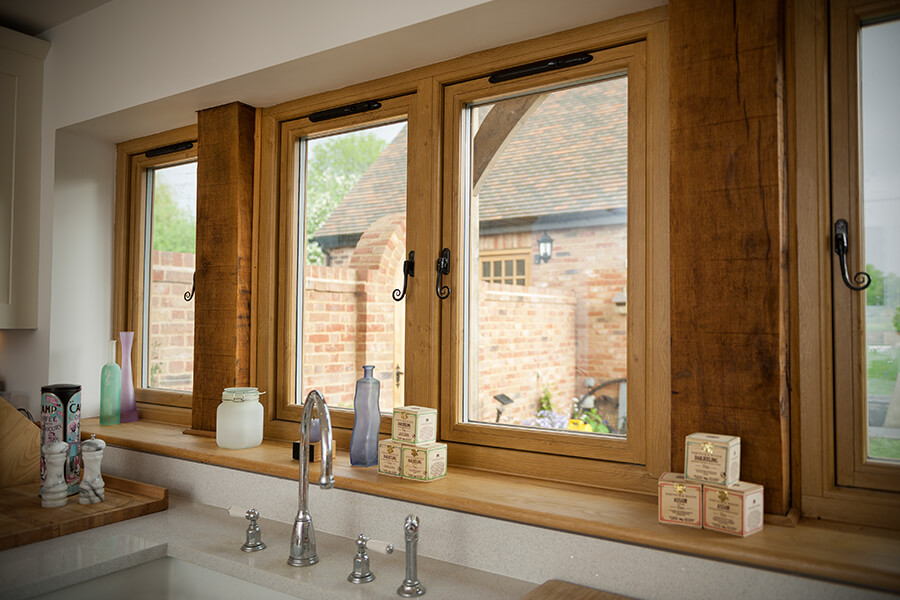
Timber conservatories offer unmatched warmth and traditional charm, but as a natural organic material, wood moves and breathes in response to humidity and temperature changes.
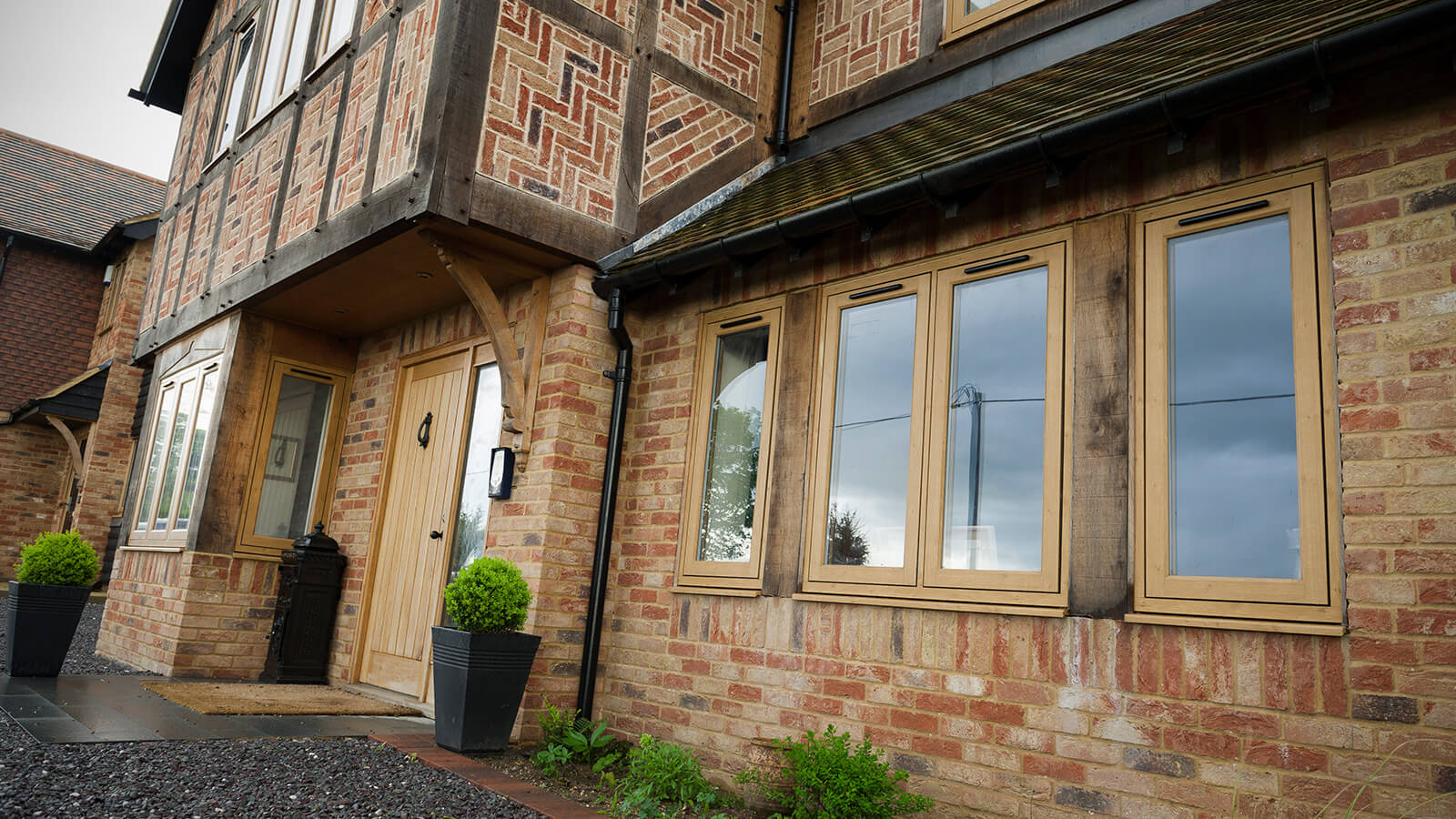
- Moisture inspection and microporous stains: Inspect wood surfaces every spring and autumn for microporous paint or stain flaking, cracking, or blistering. Re-apply protective microporous coatings every 3 to 5 years to keep the wood breathable while repelling external water.
- Rot and soft spot checks: Probe low-lying timber sections, especially near sills and ground-level joints where moisture pools, using a soft touch or small screwdriver. Soft timber indicates early wood rot or fungal attack, which requires prompt treatment or timber splice repair before spreading.
- Gentle cleaning: Clean timber frames using warm water with mild, neutral soap. Never use high-pressure power washers, as they can force water deep into the wood grain and strip protective seals.
2. uPVC frames: Low maintenance (but not zero maintenance)
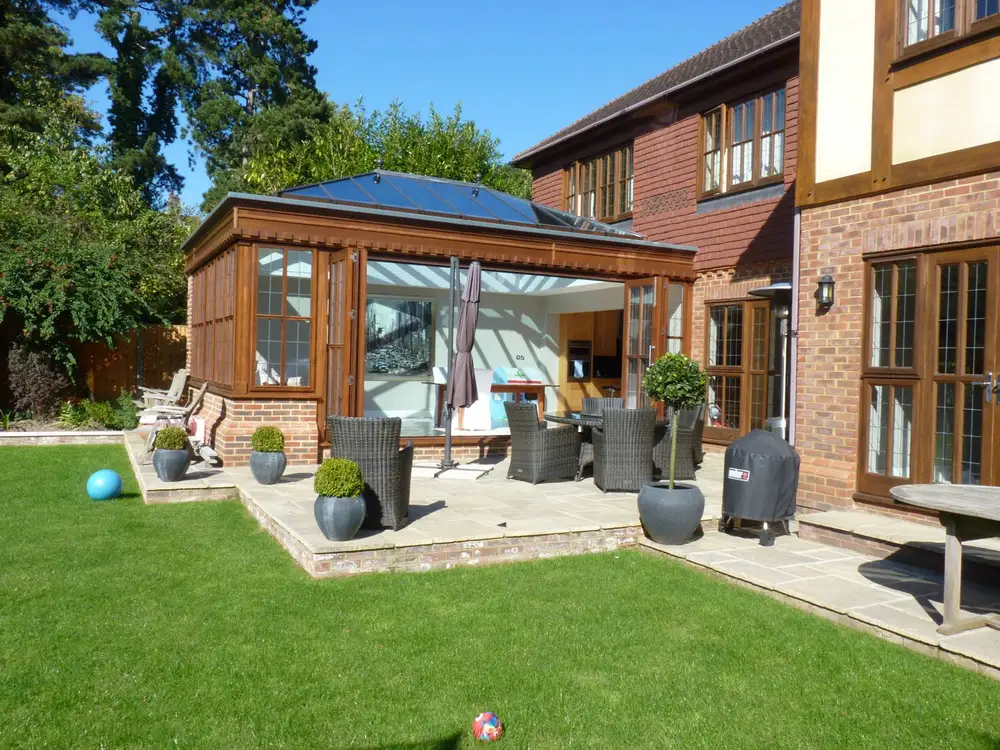
uPVC is renowned for its durability and low maintenance, but exposure to UV light, temperature fluctuations, and atmospheric grime still requires targeted care.
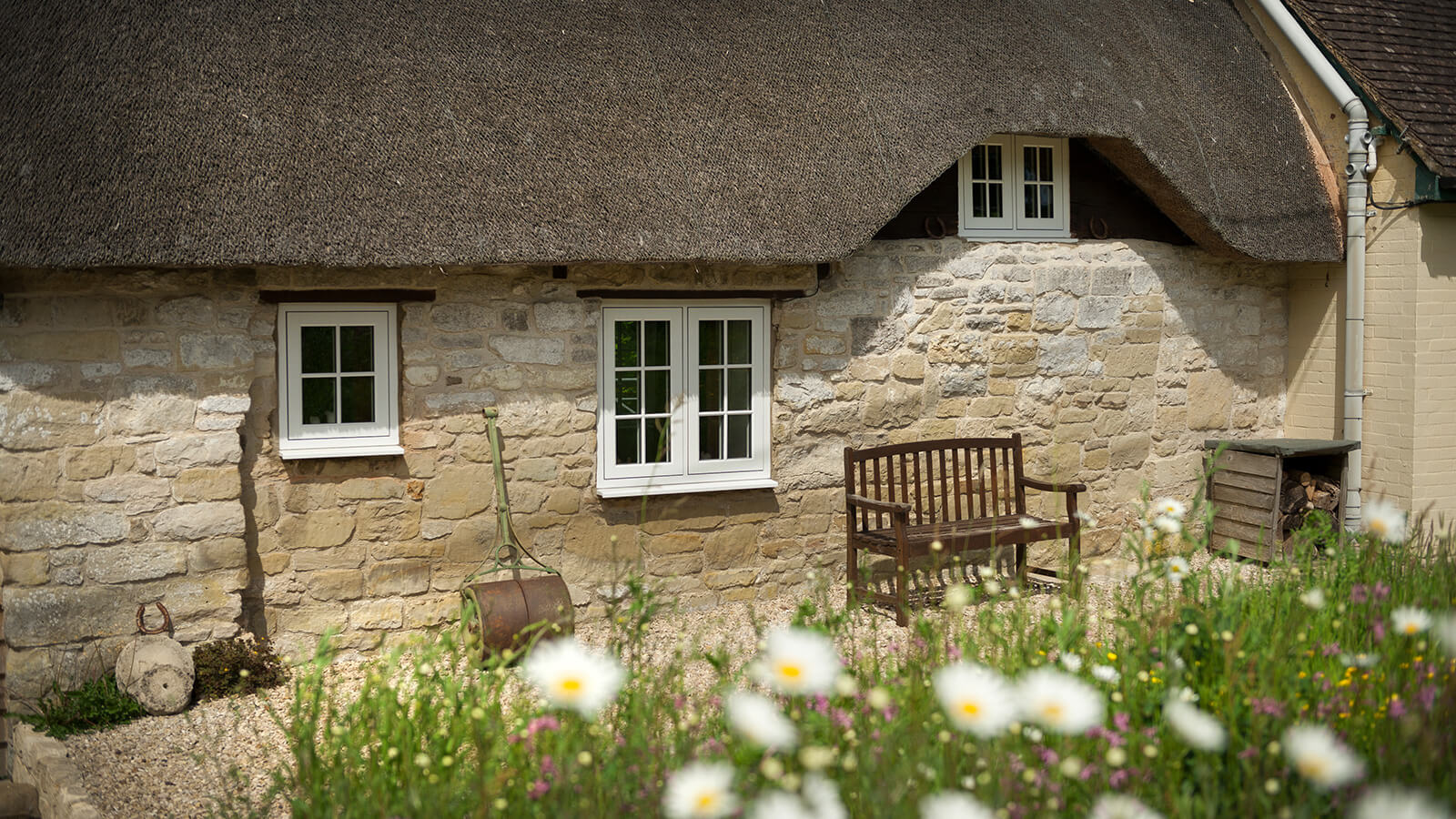
- Managing thermal expansion: uPVC expands and contracts noticeably between cold winter months and warm summer days. Inspect the perimeter silicone sealant around brickwork joints annually; if the sealant has stretched, cracked, or pulled away, re-seal with high-grade exterior neutral-cure silicone.
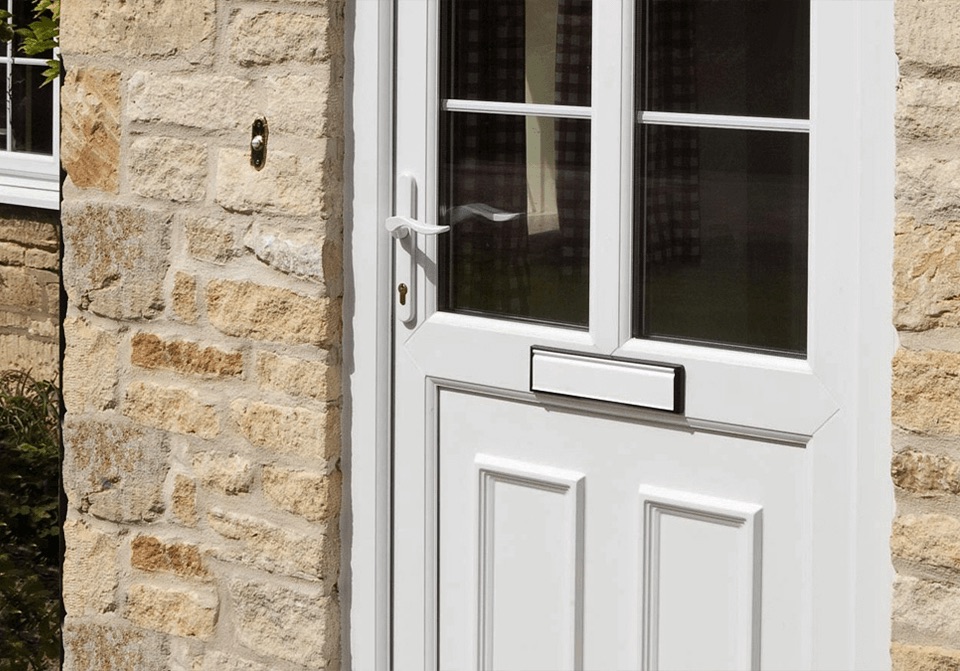
- Cleaning and finish care: Wash uPVC frames twice a year using warm, soapy water and a soft non-abrasive cloth. Avoid solvent-based cleaners, abrasive scouring pads, or harsh bleach, as these can strip the glossy protective layer, leaving the surface porous and prone to dirt entrapment or discolouration.
- Drainage: Ensure internal drainage channels at the base of uPVC sills remain clear of debris. Clogged drainage channels cause rainwater to back up into the internal profile, resulting in indoor dampness.
3. Aluminium frames: Modern strength and powder-coated care
Sleek and slimline, modern aluminium conservatories are resilient against corrosion, but their factory-applied finishes and thermal breaks still require light upkeep.
Powder-coating inspection: Inspect the powder-coated finish for deep scratches or chips that expose raw metal, particularly around door thresholds and high-traffic areas. Apply touching-up paint promptly to prevent oxidation underneath the coating.
- Salt and environmental grime removal: If you live in a coastal area or close to a main road, salt spray and pollutants can build up on aluminium surfaces. Wipe down with mild detergent every 3 months to prevent the finish from becoming dull.

Spring checks: Clearing away Winter weather wear
As the weather begins to warm up, Spring offers the perfect window to assess how your conservatory weathered the frost and storms of the previous months. Winter winds and heavy rain leave behind debris that can compromise seals and drainage channels. Executing key maintenance tasks now sets your home up for a successful year.
Common mistakes homeowners make with conservatory maintenance include neglecting to clear debris from roof panels and gutters, overlooking damaged seals, and failing to check for leaks or condensation buildup. These oversights can lead to costly repairs if not addressed early in the season.
- Clear gutters and roof valleys: Accumulated leaves and twigs can block drainage systems, causing water to pool and eventually find its way inside through joints. Make sure to clear gutters thoroughly or install gutter guards to prevent blockages.
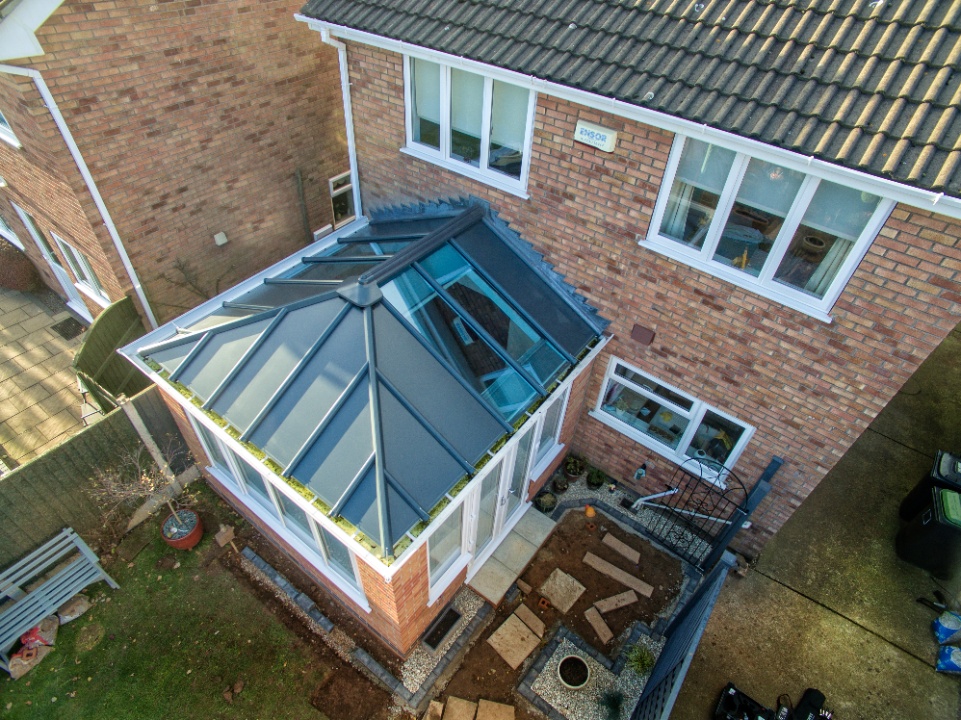
- Inspect the roof panels: Check roof panels for any small cracks or displaced seals caused by freeze-thaw cycles.
- Test the opening mechanisms: Lubricate hinges, multipoint locking systems, and handles on windows and doors using a light silicone spray (avoiding heavy oil lubricants on rubber seals) to ensure smooth operation after months of being tightly shut.
Spotting seal degradation early prevents minor moisture ingress from developing into severe leaks and water damage. If you notice persistent draughts or foggy double glazing during your Spring walkaround, professional glazing improvements or seal replacements can restore your space quickly.
Summer checks: Managing heat control and structural frames
Summer brings long hours of brilliant sunshine, but intense solar exposure can test the limits of your conservatory frames and ventilation systems. Keeping up with regular cleaning keeps everything in top condition.
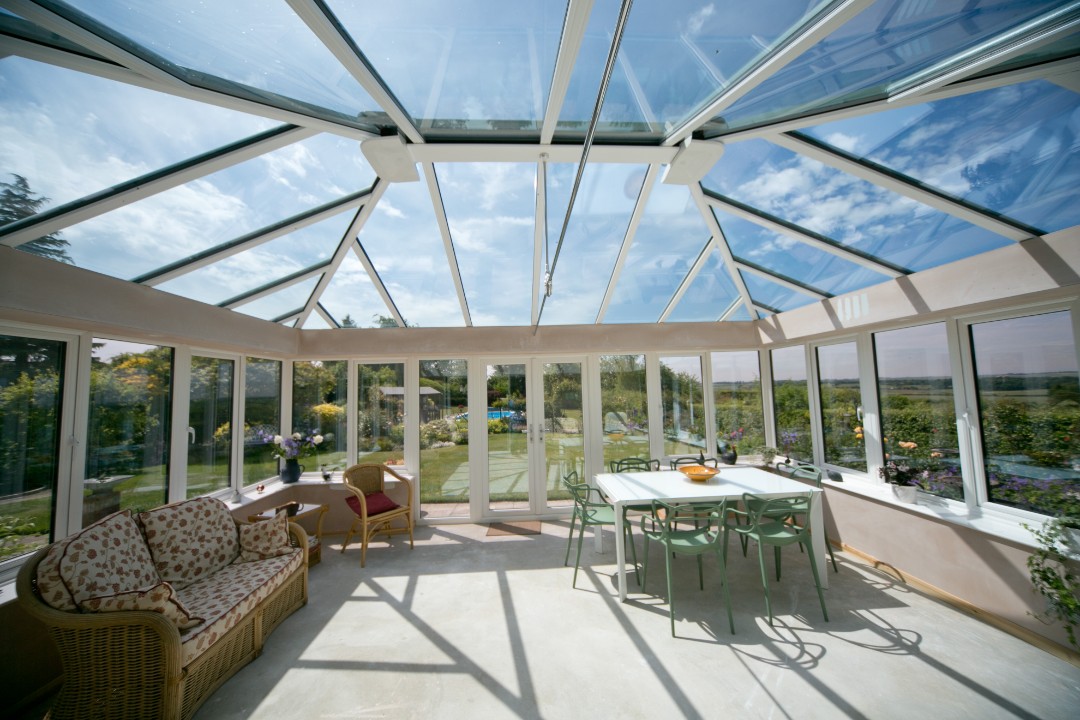
- Evaluate thermal performance: If the room feels excessively hot during peak sunlight hours, it may be affected by high heat gain. Regular conservatory maintenance can complement modern solutions, such as high-performance glass or a solid roof upgrade, which can dramatically improve overall energy efficiency and reduce indoor temperatures to maintain great thermal performance.
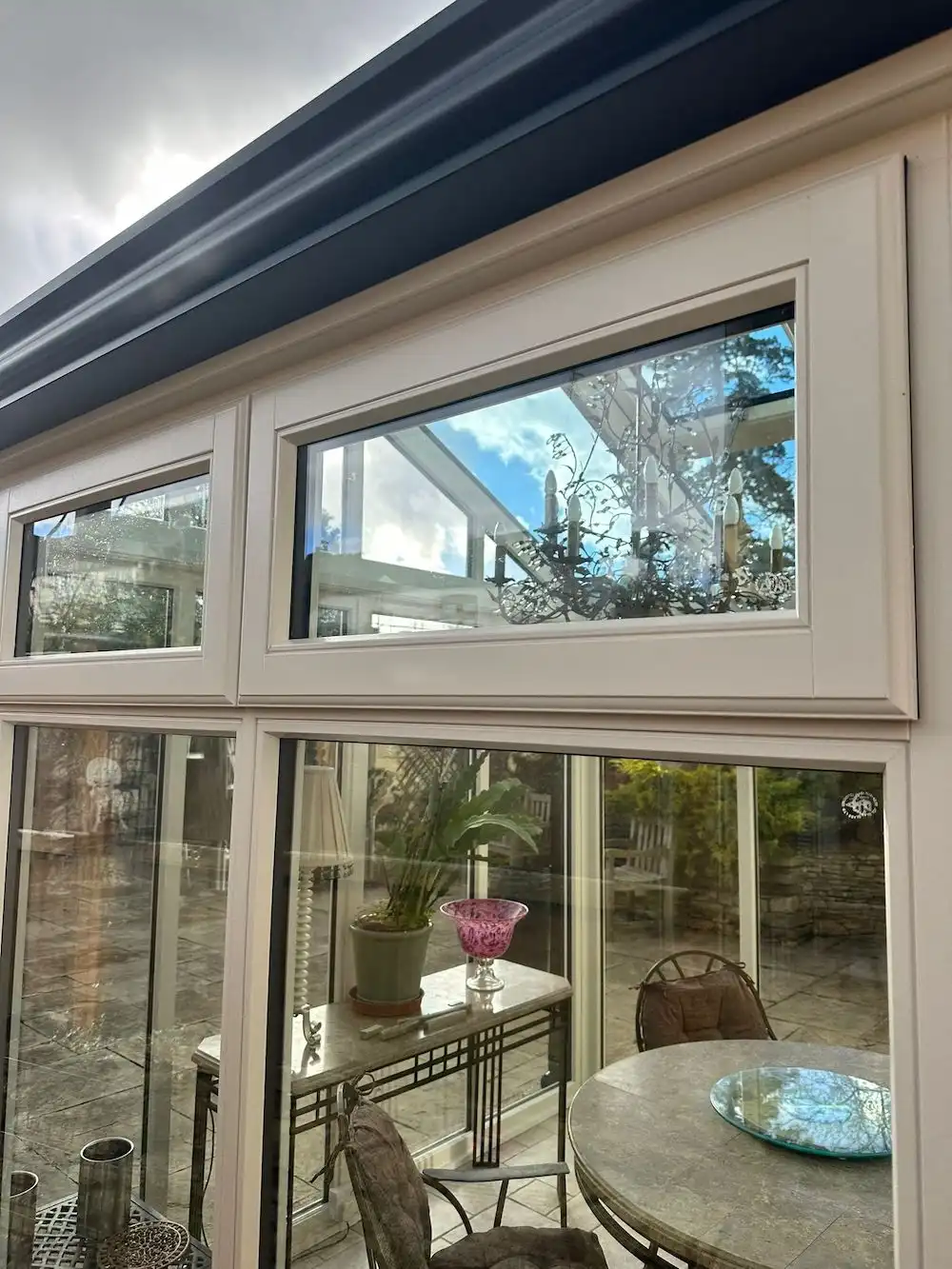
- Inspect window and door frames: Check whether uPVC or timber frames show any signs of thermal expansion distortion, warping, or fading under UV exposure. Clean frames gently using warm soapy water and a soft cloth with a mild detergent to remove grime and maintain their pristine finish.
- Check weatherstripping: Examine the rubber gaskets around all opening panels. Flexible, intact seals are vital for preventing unexpected summer downpours from leaking indoors and causing water ingress.
Maintaining your framework ensures your living space remains comfortable and usable throughout the warmer months without requiring a full window replacement.
Autumn checks: Preparing for drops in temperature
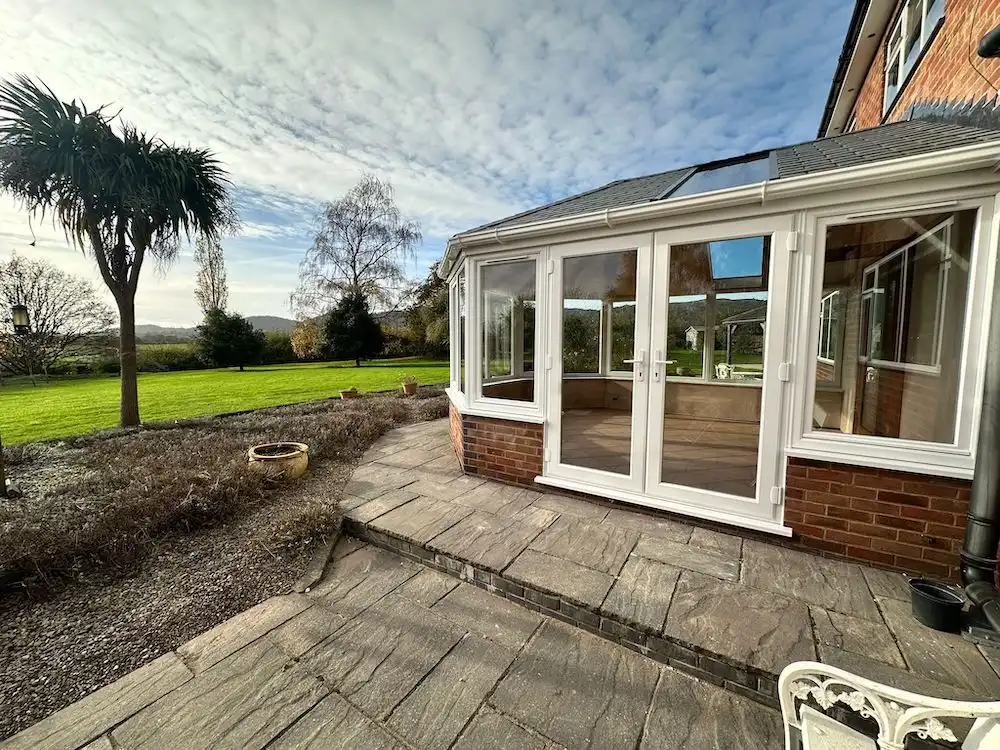
Before the Autumn gales and freezing temperatures set in, preparing your conservatory helps protect against rapid temperature drops and structural stress. Following a reliable conservatory maintenance checklist during this period ensures your home stays protected against heavy rain.
- Seal up draughts: Check around the base of the structure, wall flashing, and window frames for gaps where cold air might penetrate. Proper thermal insulation prevents unwanted heat loss, keeping your energy costs under control.
- Inspect window seals: Check all window seals across the structure to ensure they remain in good condition and free from hard, brittle gaps.
- Clean exterior surfaces: Wash away Autumn debris, bird droppings, and algae growth to ensure maximum natural light enters the room as daylight hours shorten.
Taking these steps during Autumn ensures your home stays cosy and well-insulated long before Winter arrives.
Winter checks: Monitoring heat loss and moisture control
Winter is the ultimate test of a conservatory’s thermal integrity. Sub-zero temperatures and continuous moisture during the colder months can highlight hidden vulnerabilities in your glazing and frame seals.
Watch out for condensation: While minor surface condensation is common on cold mornings, persistent condensation and damp patches pooling on interior window frames can indicate poor ventilation or failing double-glazed seal units. Ensuring proper ventilation throughout the Winter is essential.
- Check heating efficiency: If you find yourself spending more to keep the room warm, it might be time to evaluate your overall insulation. Upgrading older panels to modern, energy-efficient configurations can drastically cut down on ongoing energy bills and prevent costly repairs down the line.
- Clear heavy snow: If heavy snowfall occurs, gently clear accumulations from flat or low-pitch roofs using a soft roof rake to prevent structural strain.
When to call in the professionals
While regular cleaning and visual inspections can be handled easily by homeowners, certain issues require professional help and specialist expertise.
If you notice structural shifting, persistent roof leaks, failing double-glazed units, rotting timber frames, or degraded lead flashing, it’s time to bring in the experts. Keeping your conservatory in excellent condition is much easier when you partner with a dedicated specialist who performs regular maintenance checks when needed.
At The Little Conservatory Company, we provide a fully bespoke service, from initial consultation and design to expert installation of roof windows, solid roof conversions, and ongoing support. Whether you need a replacement roof, upgraded energy-efficient windows, or tailored advice on a project, our experienced team ensures every detail is executed to the highest standard.
Get in touch with our team today
Ready to upgrade your conservatory, discuss a maintenance query, or plan a brand-new home improvement project? Get in touch with The Little Conservatory Company today for expert, no-obligation advice.
- Fill in our online contact form
- Call us on 01242 681207
- Email us at info@littlecc.com