

Aluminium vs Timber vs uPVC for Conservatories: Which Material Fits Your Home and Budget?
- 13 Jul 2026|
- News|
- Posted by Paul Davies
Adding a conservatory to your property is one of the most significant home improvement decisions you can make. It creates a dedicated space flooded with natural light, bridging the gap between your living spaces and the garden. However, when you begin researching, you are immediately confronted with a fundamental question: what should the structure be built from?
To help you navigate your choices of conservatory material, we have put together a balanced look at aluminium vs timber vs uPVC conservatories to find the right fit for your property and budget.
Visual character: defining the architectural style of your space
The choice of frame material fundamentally dictates the architectural look, feel, and character of your new living space.
uPVC frames
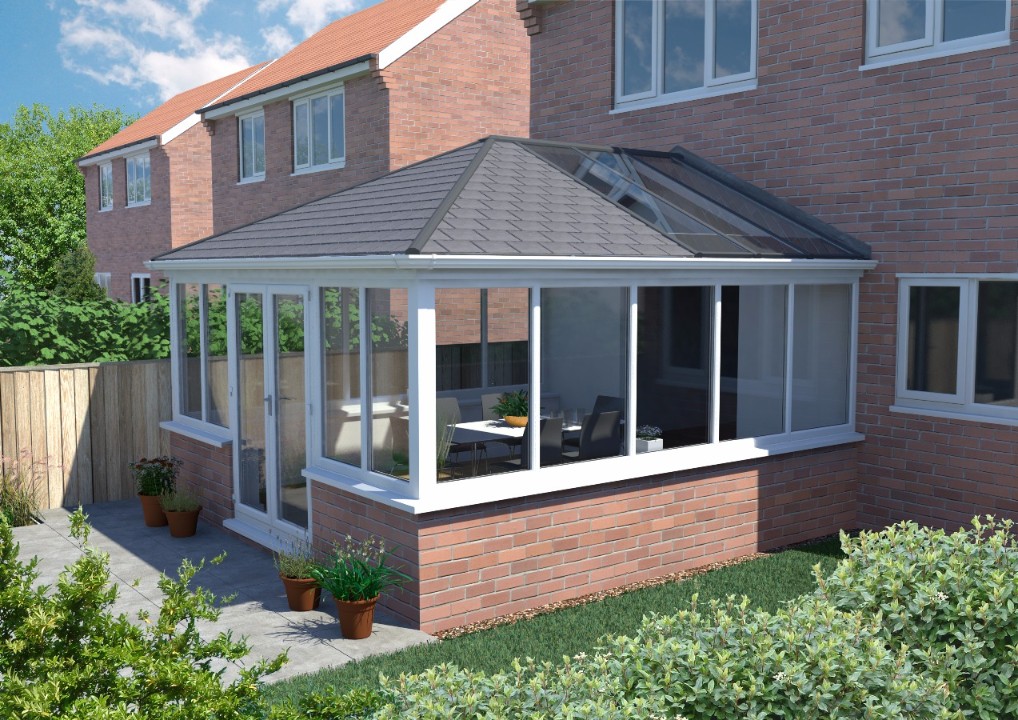
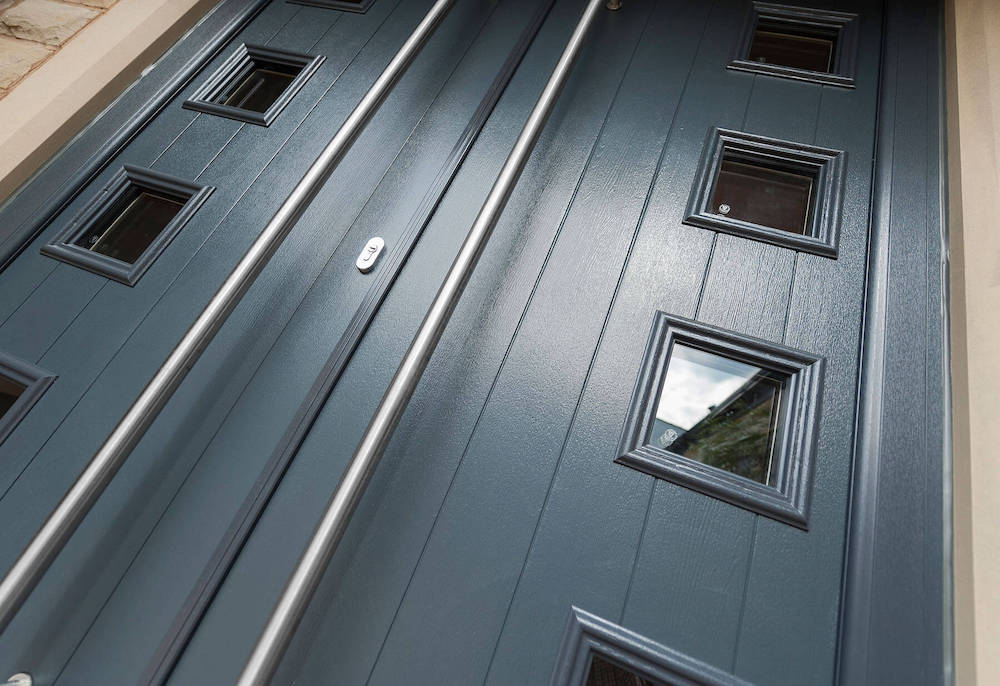
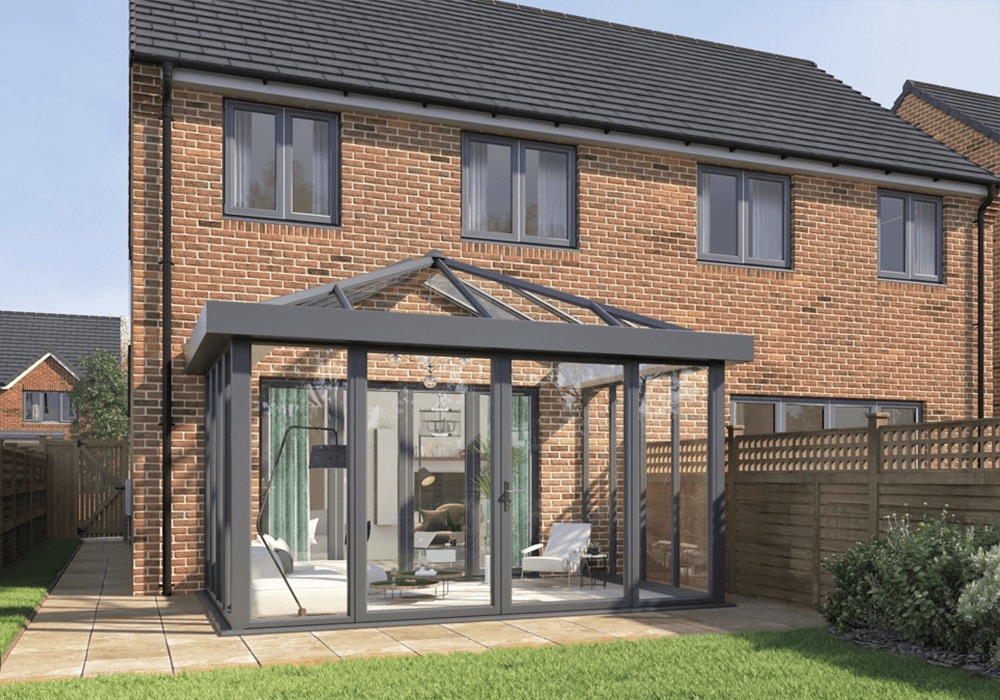
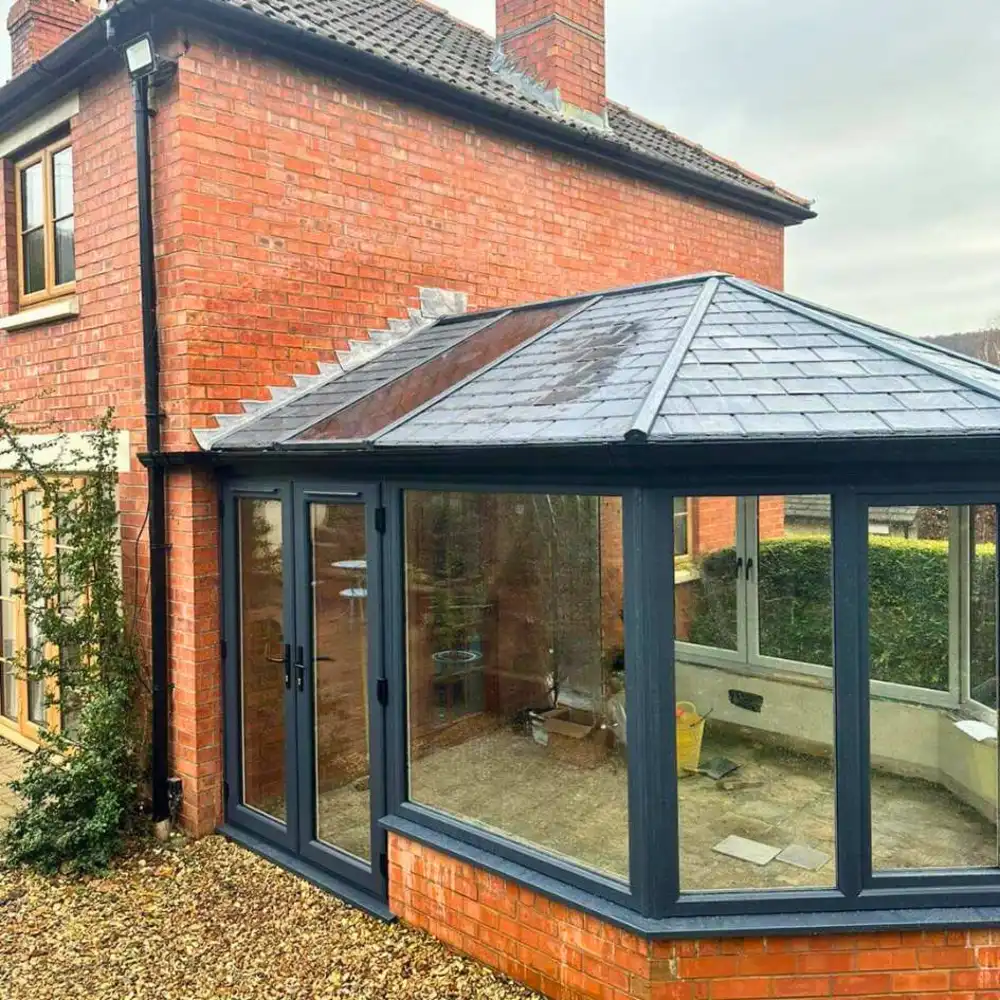
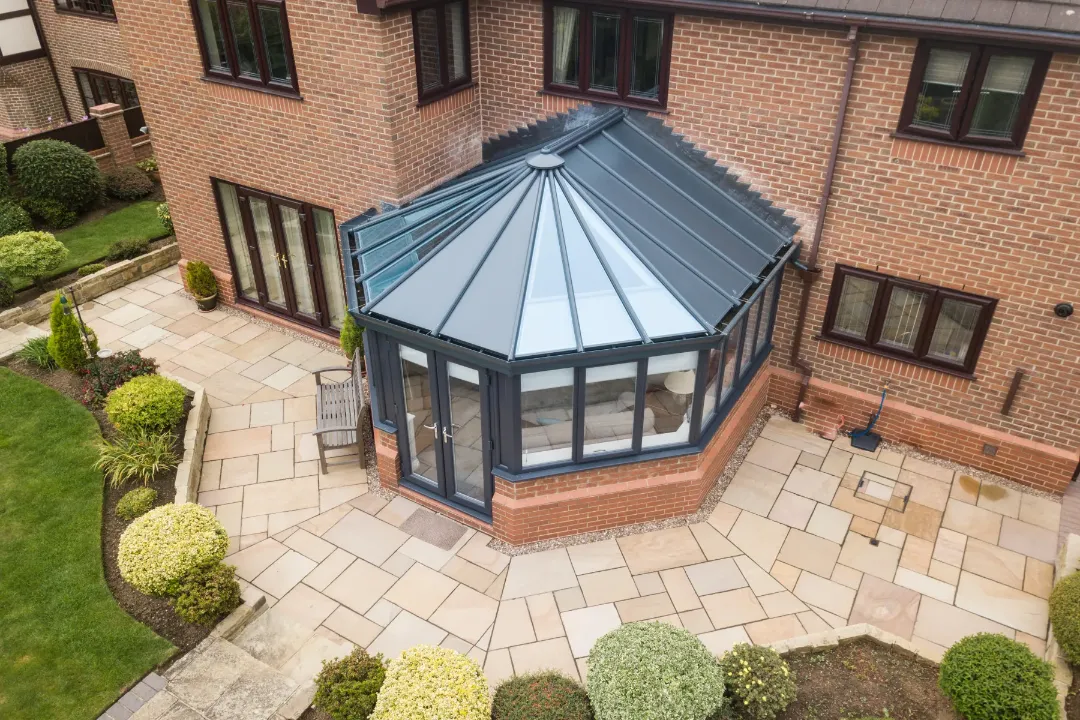
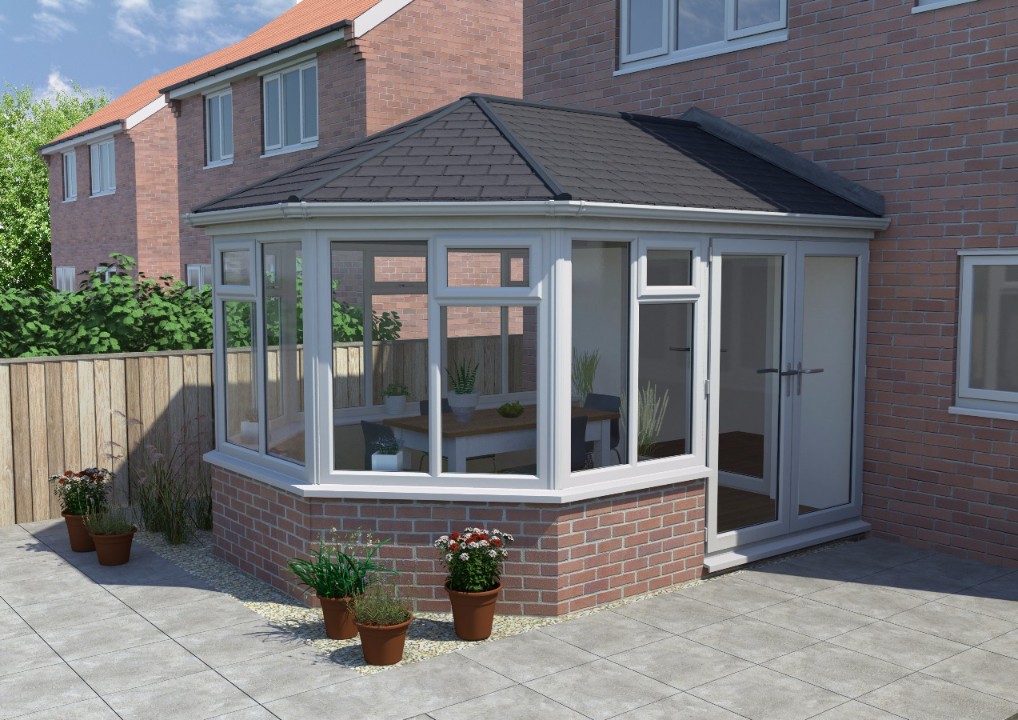
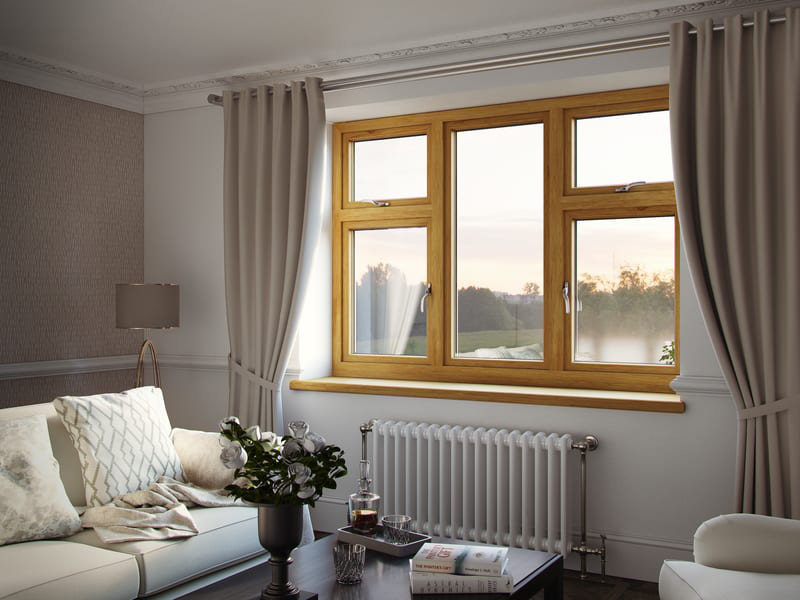
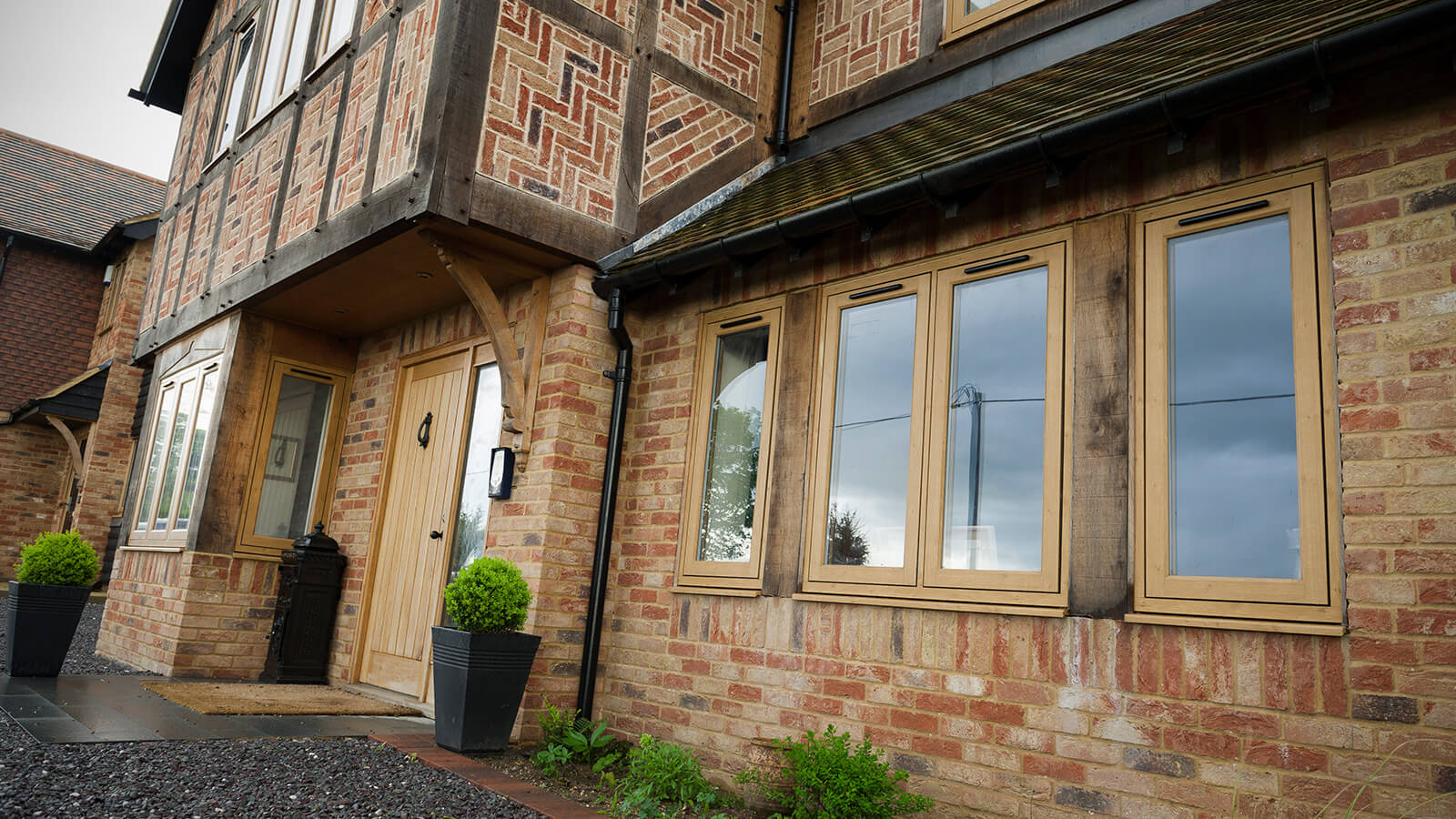
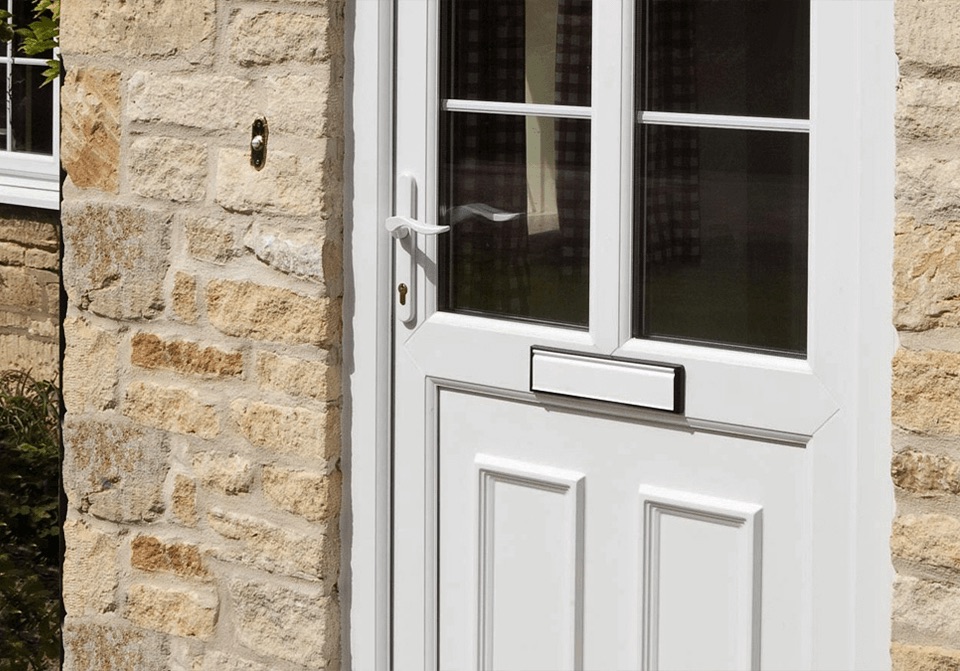
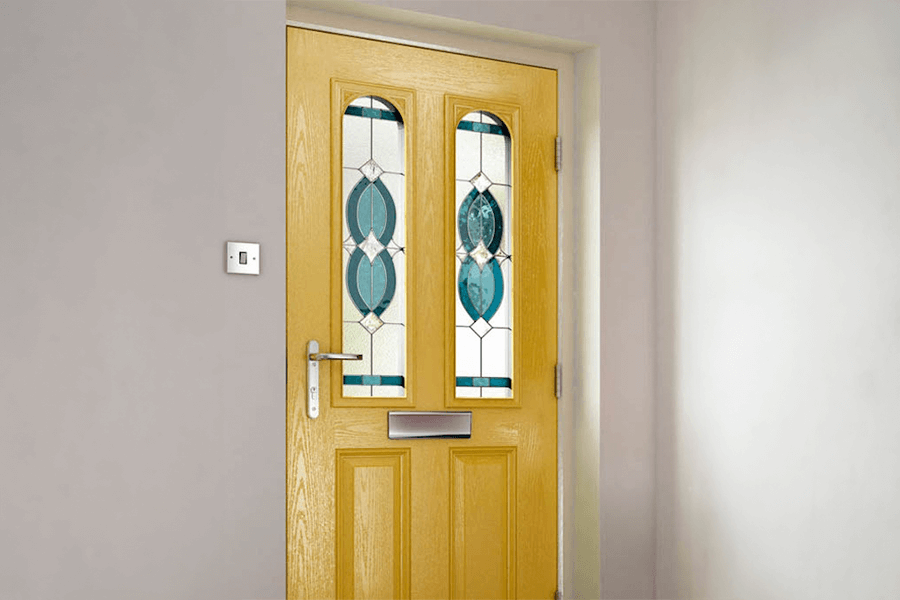
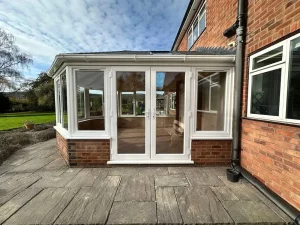
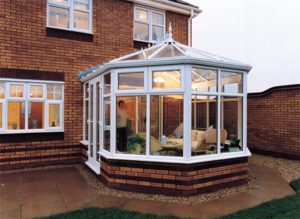
uPVC is highly versatile and widely specified across the UK. Modern manufacturing means you are no longer restricted to stark white profiles. Today, uPVC comes in a variety of foiled woodgrain effects, such as Irish Oak or Anthracite Grey, which look excellent on suburban homes. However, the profiles themselves are naturally thicker to accommodate internal steel reinforcement, meaning you have slightly more frame and slightly less glass area.
Timber profiles
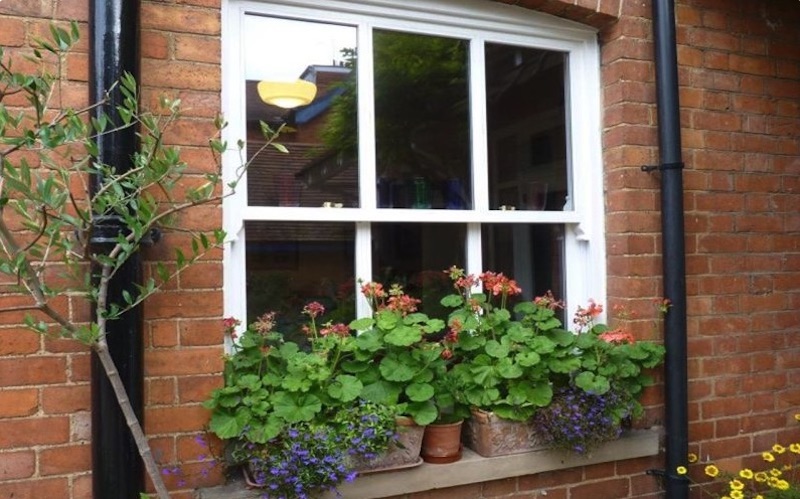
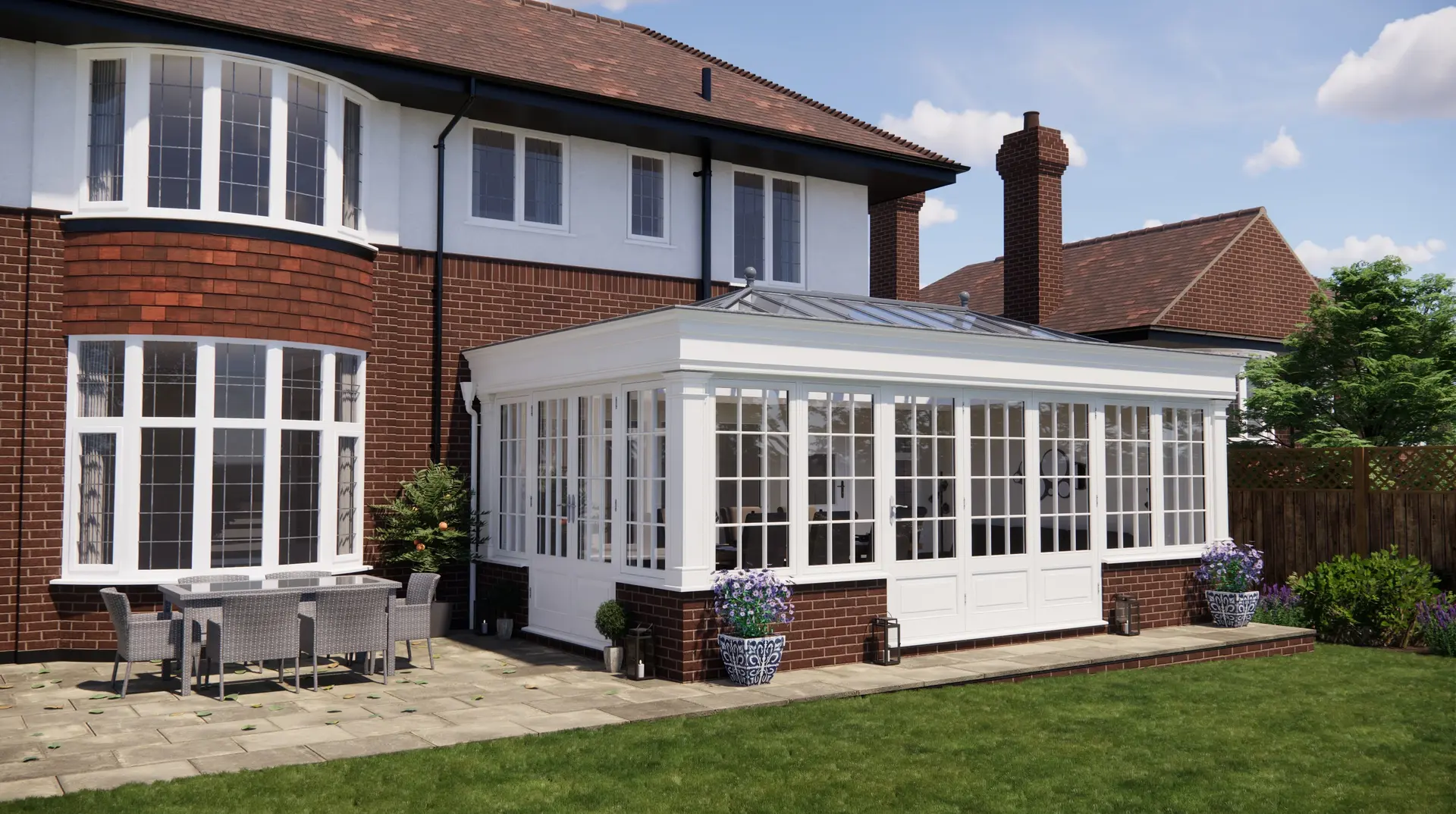
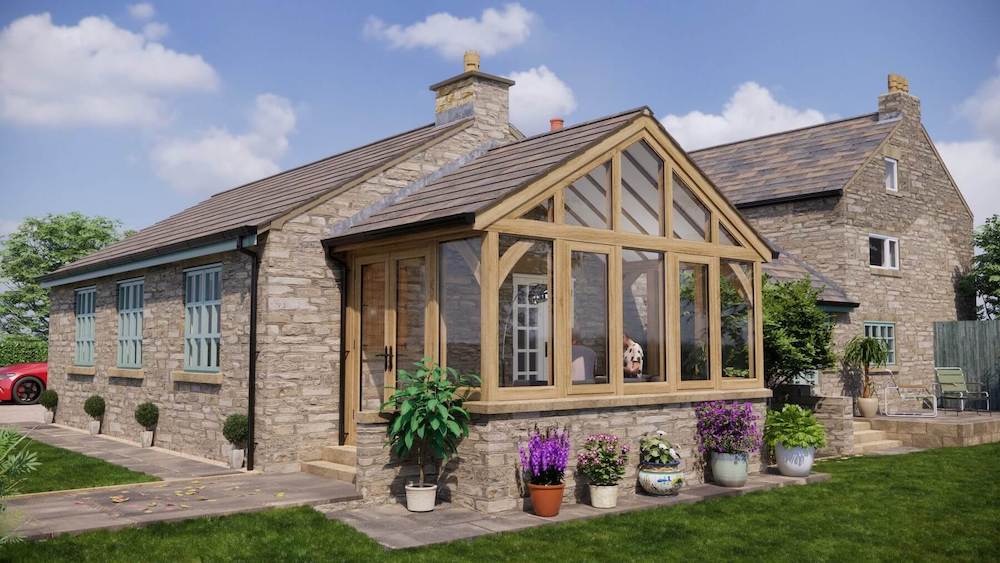
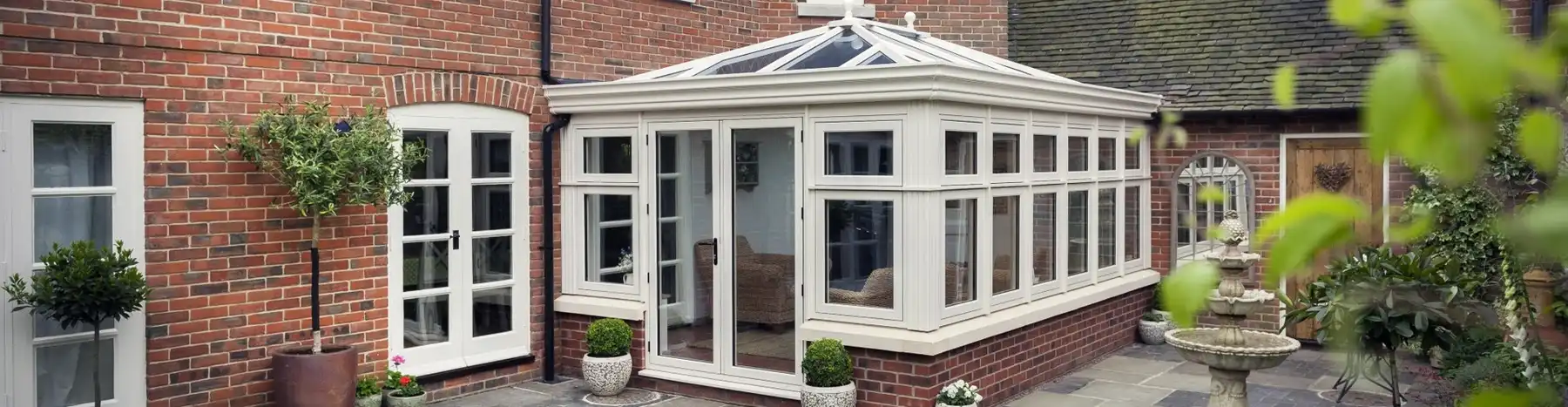
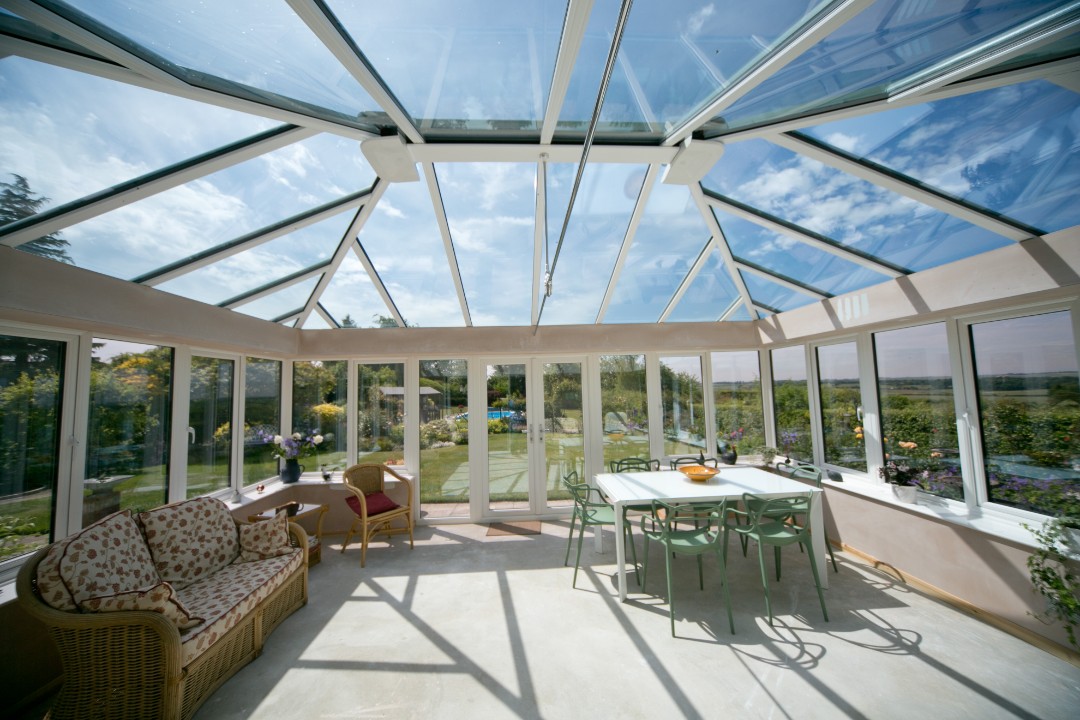
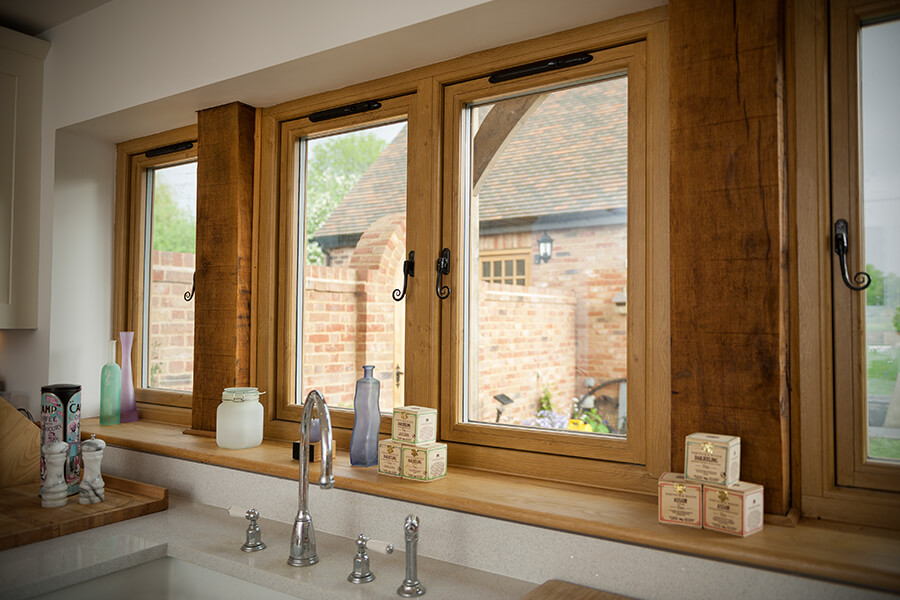
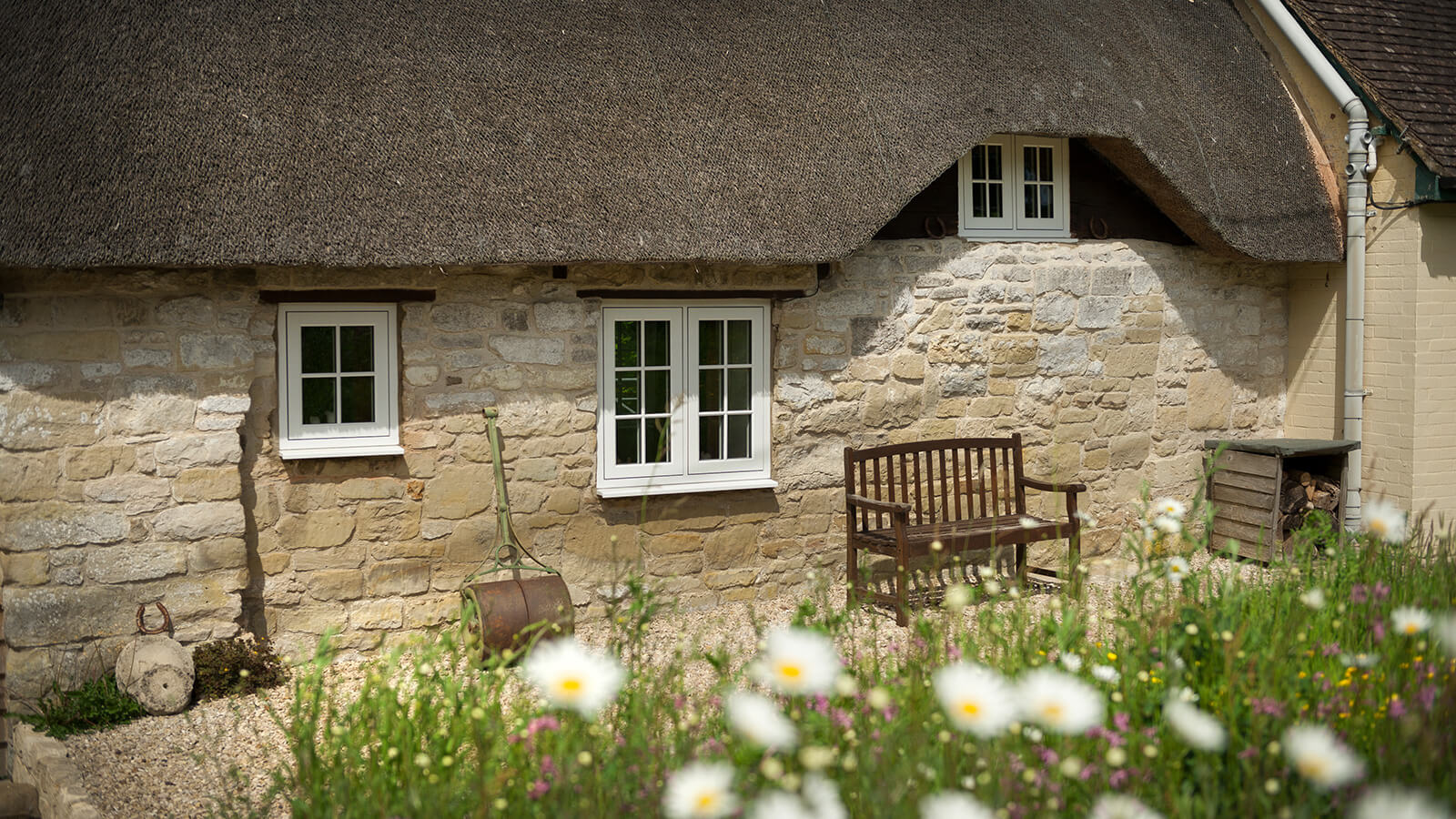
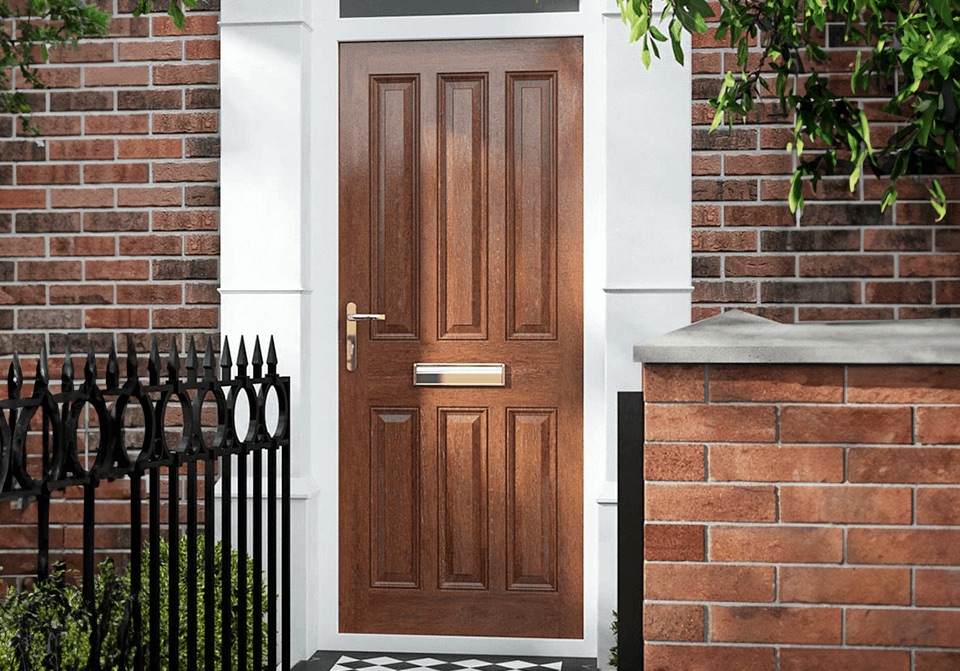
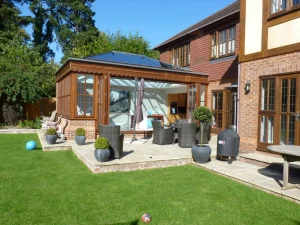
For sheer, unadulterated natural beauty, timber remains entirely unmatched. A premium wooden glazed structure brings an organic warmth and tactile luxury that synthetic materials simply cannot replicate. It is the natural choice for period properties, country cottages, and homes located in strict conservation areas. Because timber possesses inherent structural integrity, it can handle intricate traditional design features, classical crestings, and elegant pilasters with ease.
Aluminium structures
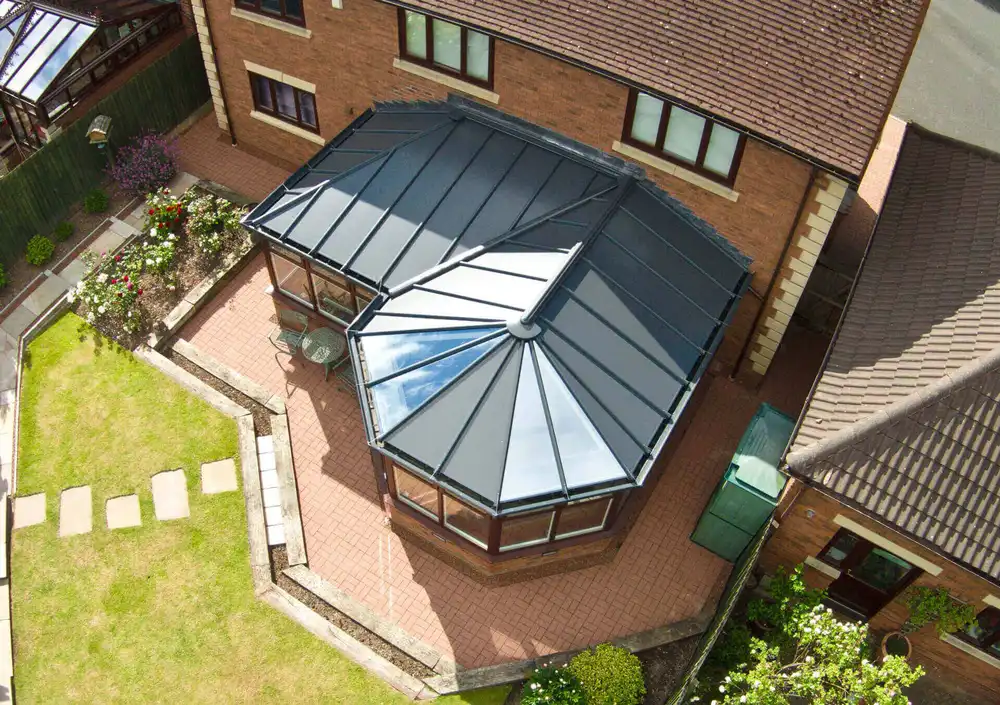
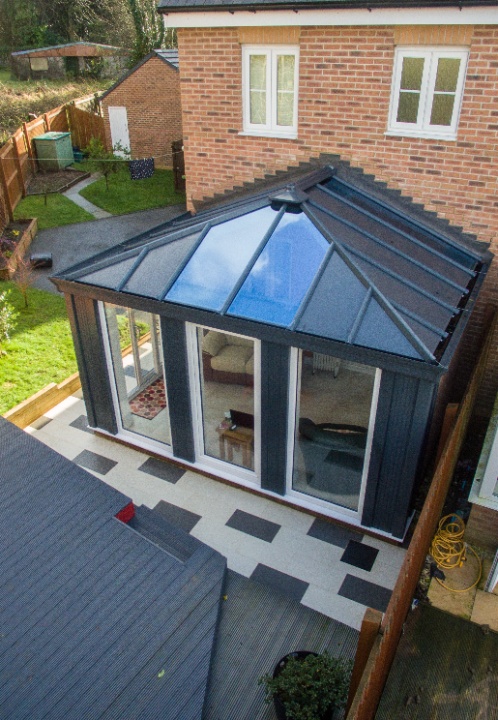
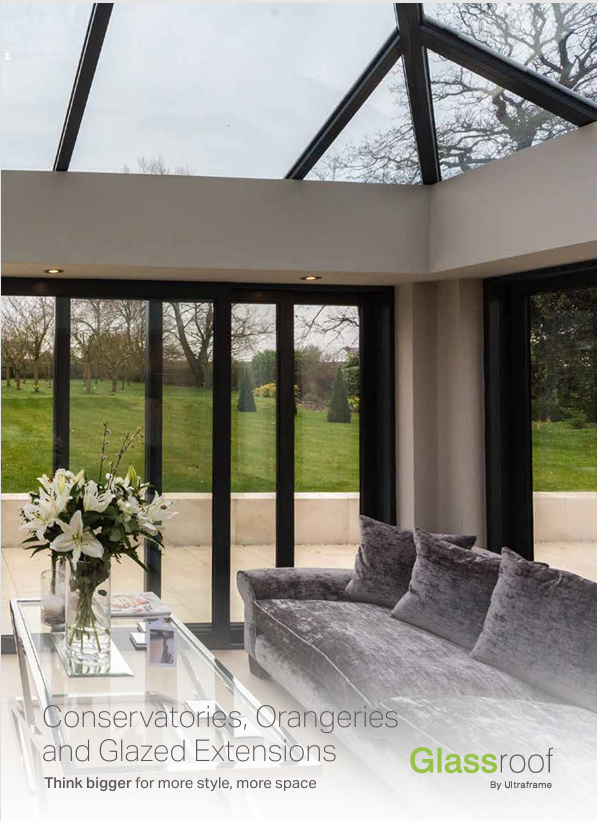
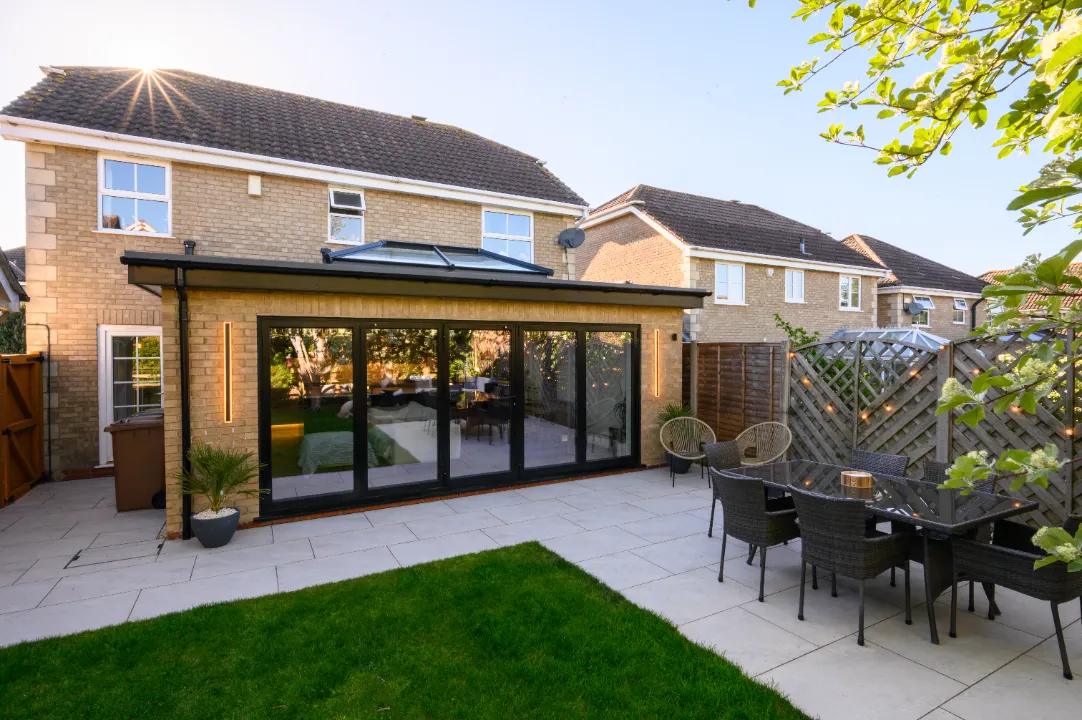
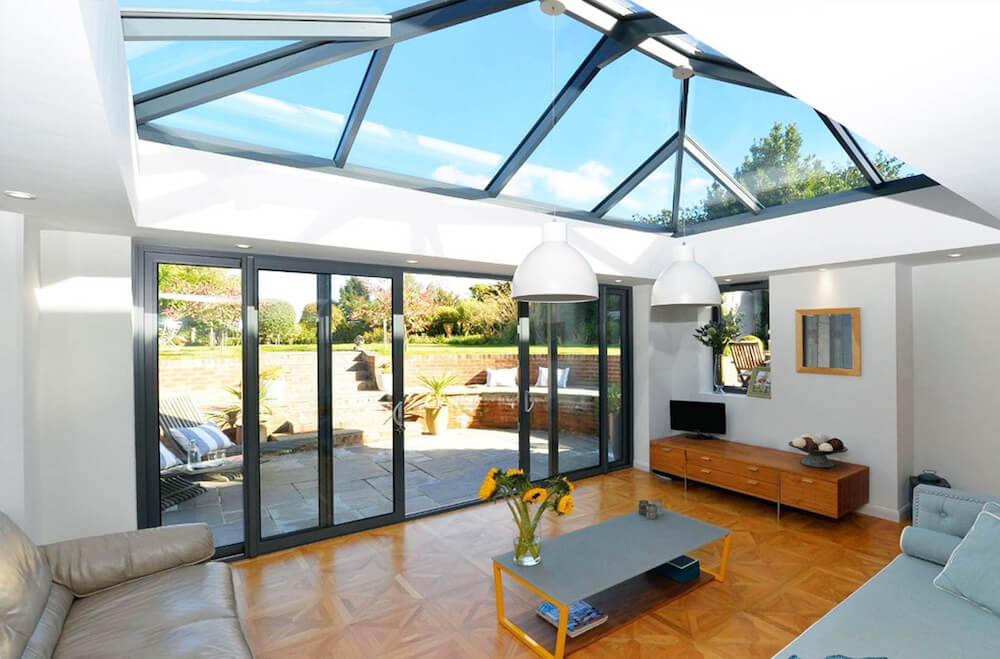
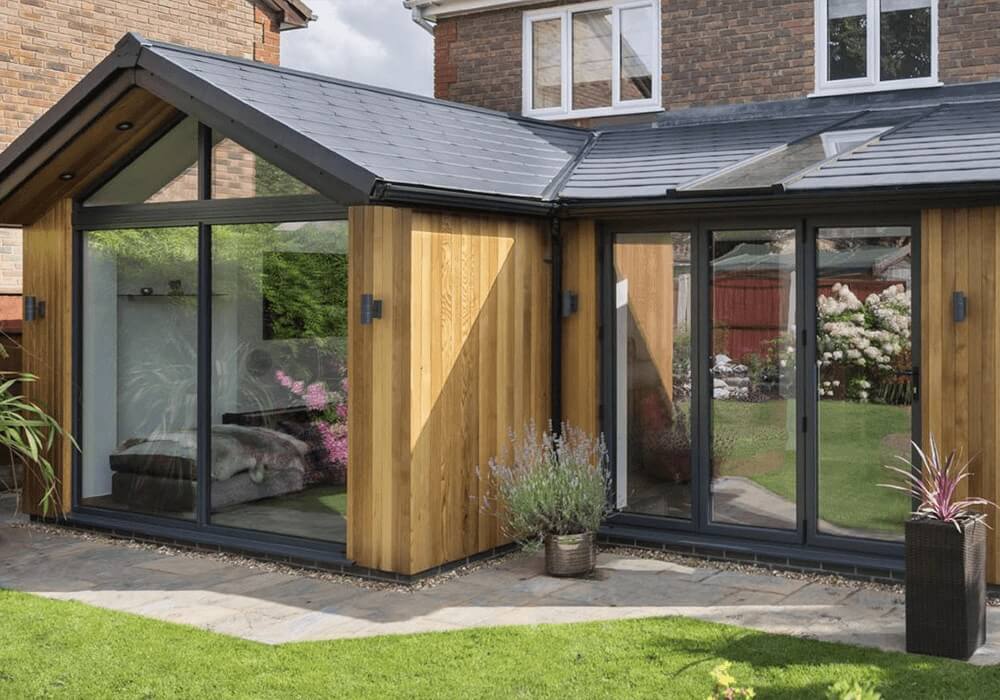
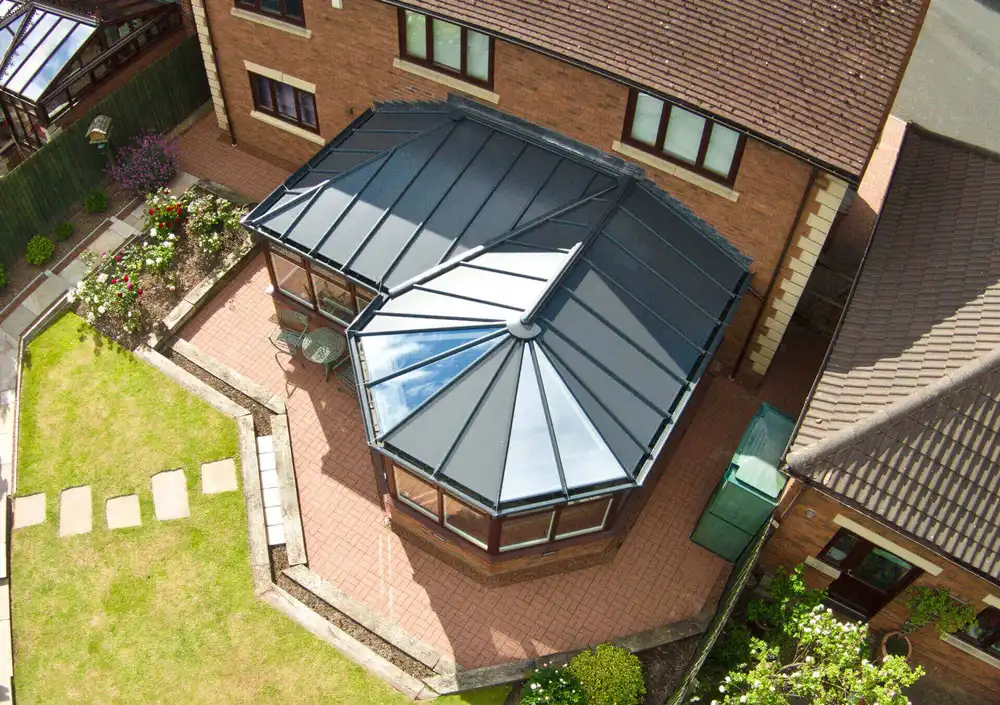
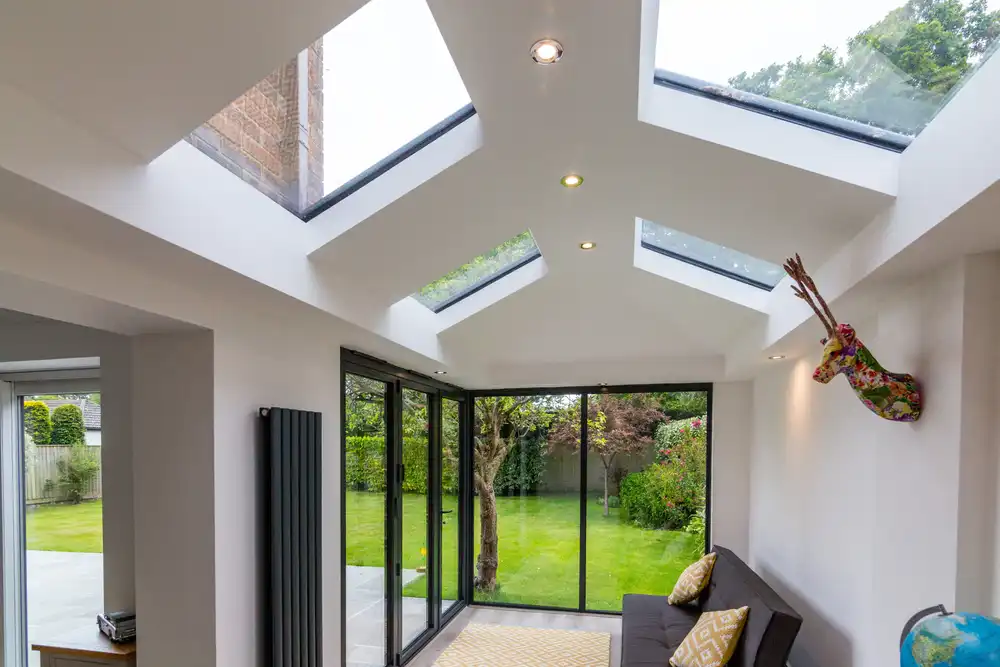
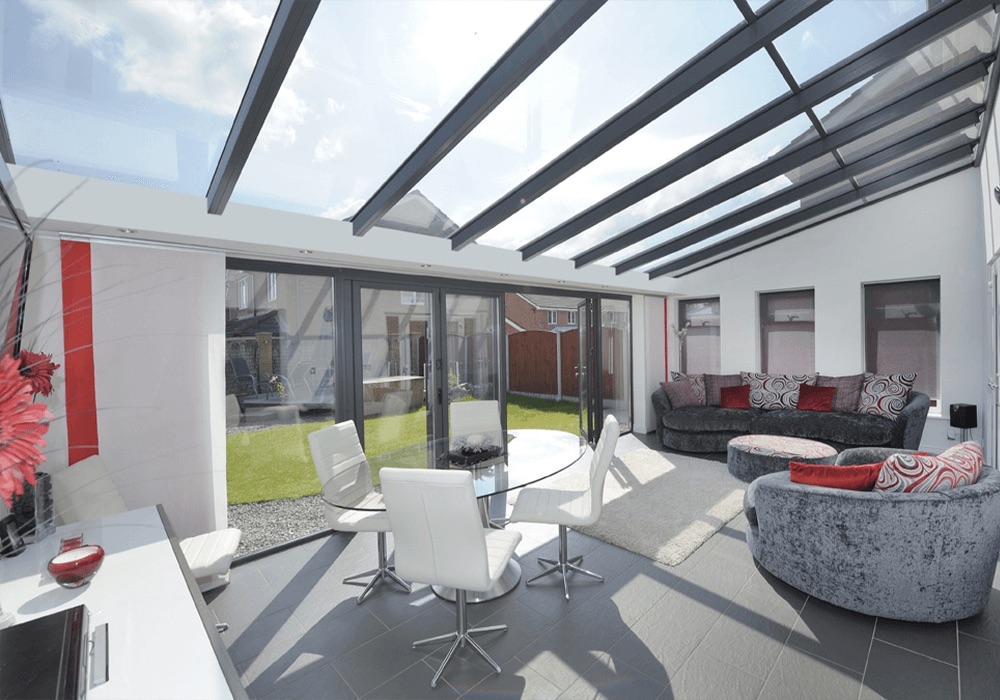
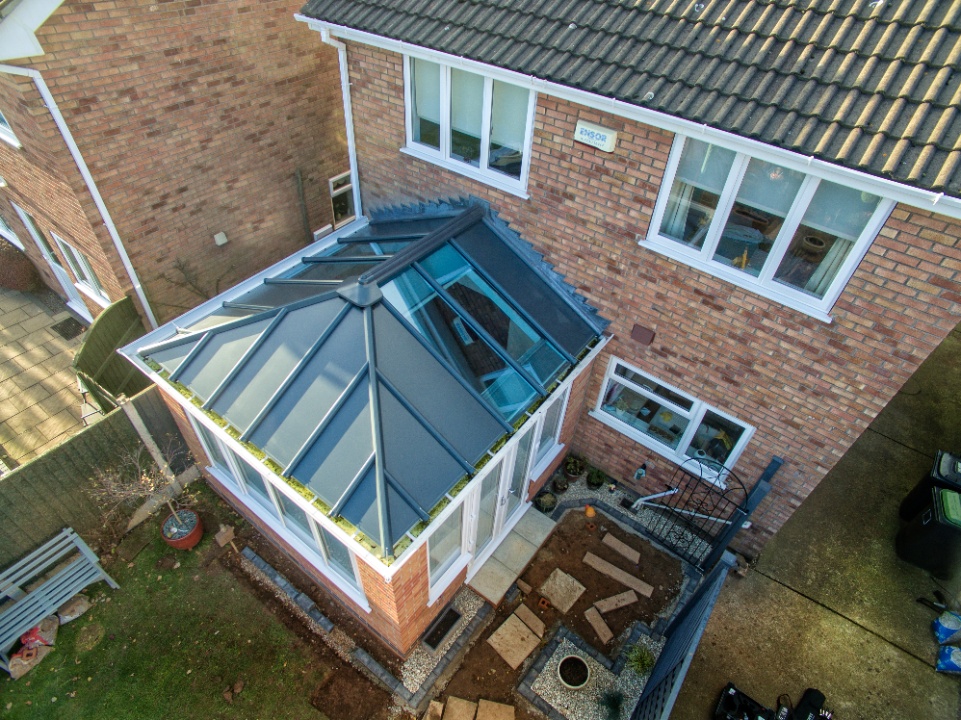
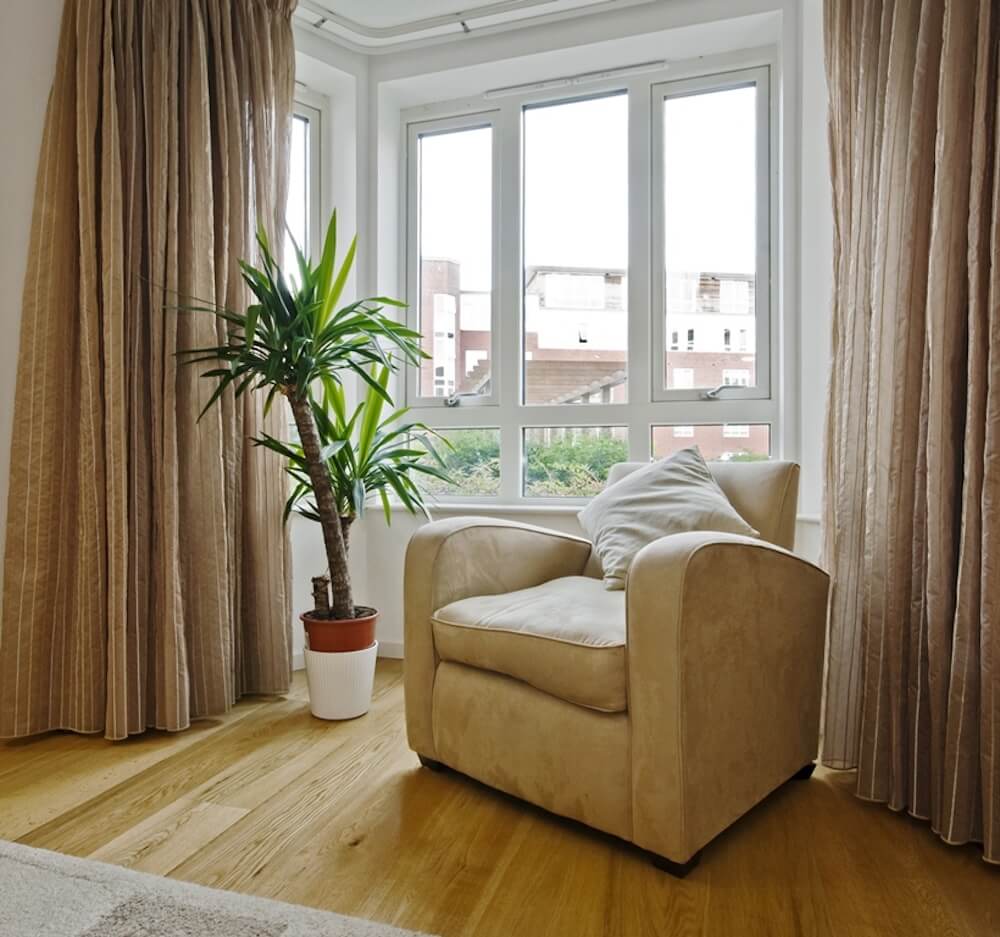
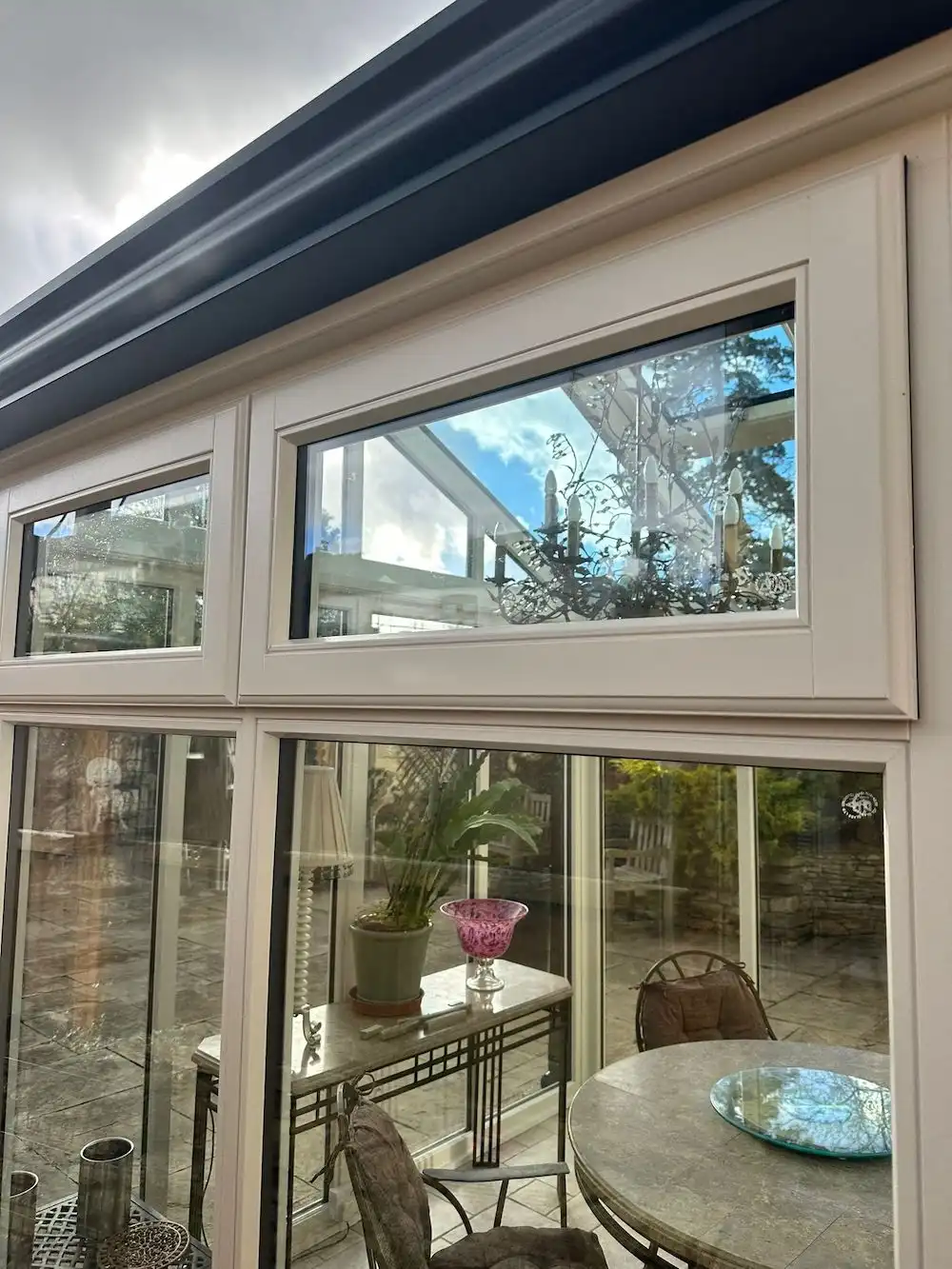
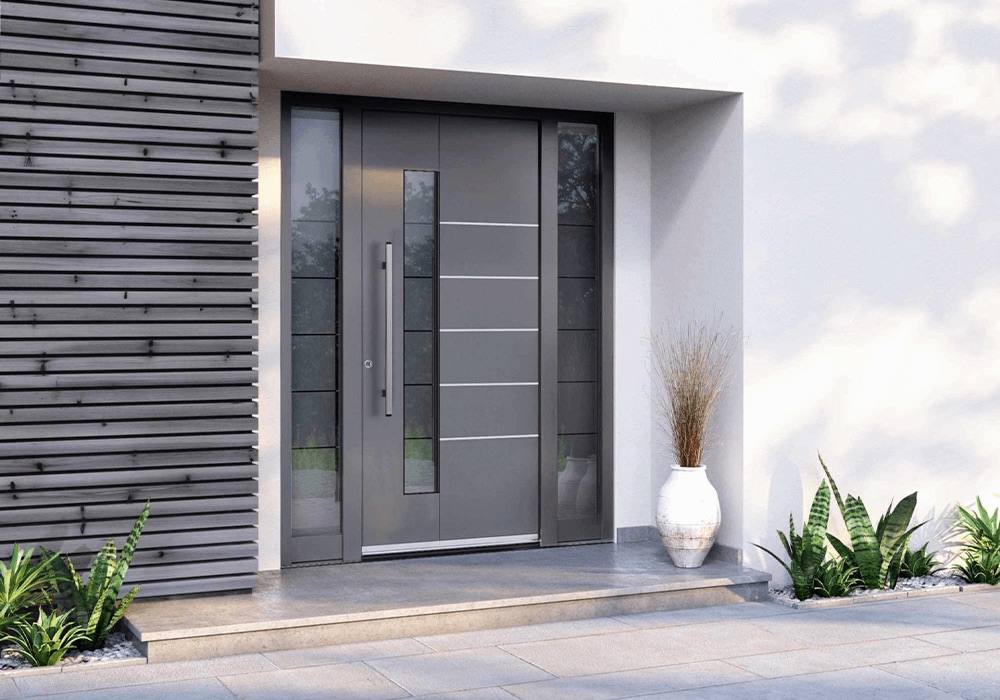
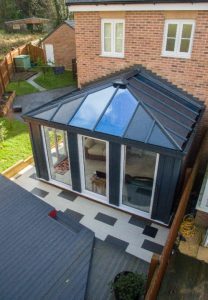
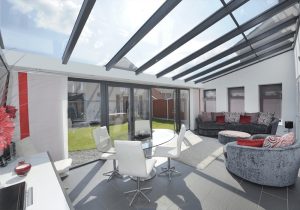
If your taste leans toward sleek, minimalist design, aluminium windows and frames are the modern benchmark. Because aluminium is incredibly strong, it allows for significantly slimmer frames and expansive glass panes. This maximises the influx of natural light and creates thin, clean sightlines. It is particularly popular for contemporary extensions or homes facing south east where capturing the morning sun through vast glass walls is a priority.
Thermal performance: staying comfortable through every season
Historically, older glazed extensions suffered from a reputation of being freezing cold in the winter and closely resembling a greenhouse during the summer months. Modern engineering has completely rewritten this narrative, though each material manages heat transfer slightly differently.
The efficiency of timber
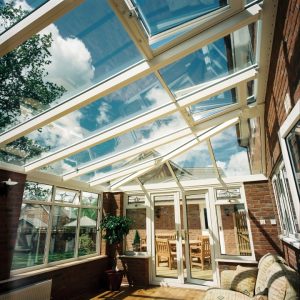
Wood is a natural insulator. Its dense cellular structure inherently resists heat loss, meaning a wooden frame naturally traps heat inside the room during winter. When paired with high-performance double glazing or triple glazing, a timber structure easily exceeds standard UK building regulations for thermal efficiency, helping to keep your household energy bills stable.
The evolution of uPVC
uPVC utilises a multi-chambered profile design. These internal pockets trap still air, acting as highly effective thermal barriers against cold weather outside. When specified with energy-efficient glass units, uPVC structures provide reliable thermal performance that keeps the room functional all year round.
Aluminium’s engineering solution
As a metal, aluminium is naturally conductive. To counteract this, modern aluminium frames feature an advanced thermal break. This is a high-density, non-conductive polyurethane or polyamide barrier embedded directly into the centre of the profile.
This break completely stops cold bridging, ensuring that internal temperatures remain comfortable while significantly reducing the risk of condensation forming inside the room.
Maintenance and longevity: the reality of long-term care
Investing in an extension means looking at how well the materials will stand the test of time, and how much work is required to keep them looking pristine.
uPVC care and lifespan
uPVC is highly regarded for being incredibly low maintenance. It requires no painting or staining over its lifespan. To keep it looking pristine, all that is required is a simple wipe-down with warm, soapy water a few times a year to remove surface grime.
A well-installed uPVC structure generally has a reliable operational lifespan of 20 to 25 years. However, over extended decades, extreme UV damage can eventually cause lighter plastics to discolour or become brittle.
Aluminium durability
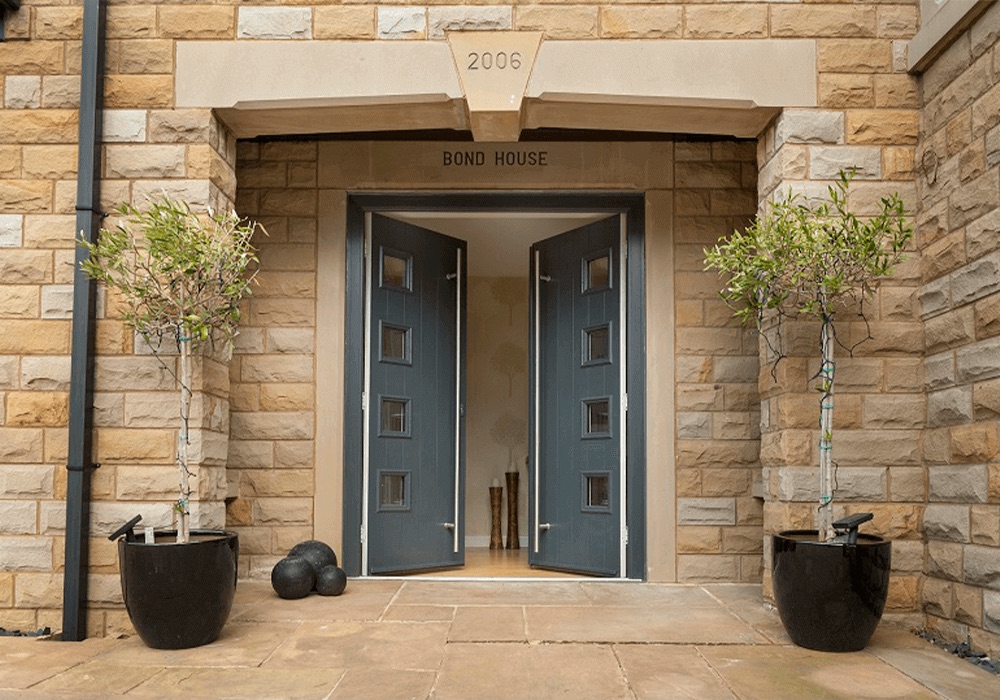
Aluminium stands out for its exceptional structural integrity and resilience against the elements. The frames are factory-finished with a high-grade powder coating that resists scratching, fading, and corrosion.
Like uPVC, a quick clean with soapy water is all it needs to maintain its appearance. An aluminium structure will easily last 45 to 50 years or more, making it an incredibly durable option.
Timber realities and rewards
Timber requires a commitment to ongoing maintenance, but the reward is exceptional longevity. Modern factory-applied microporous coatings protect the wood from moisture while allowing it to breathe.
You will generally need to repaint or re-stain the frame every five to eight years, depending on how exposed your home is to wind and rain. If you care for it properly, a high-quality timber structure can comfortably last 60 years or more. Furthermore, unlike synthetic alternatives, wood can be sanded down and repainted a completely different colour if you decide to change your home’s aesthetic in the future.
Environmental impact: exploring the carbon footprint
Sustainable home improvement is increasingly important to UK homeowners, and the environmental impact varies considerably across these materials:
- Timber: The most sustainable material available, provided it is sourced from FSC-certified, responsibly managed forests. Wood locks away carbon dioxide throughout its lifespan and requires very little energy to process.
- Aluminium: Highly sustainable because it is infinitely recyclable. Melting down recycled aluminium requires roughly 95% less energy than producing raw primary metal, giving it excellent circular credentials.
- uPVC: While modern uPVC is increasingly recycled at the end of its useful life, its initial chemical production process carries a higher environmental footprint than natural alternatives.
Budget realities: weighing upfront cost against lifetime value
When deciding on an aluminium vs timber vs uPVC conservatory, your available budget plays a major role.
The initial outlay
uPVC represents the most accessible entry point, offering excellent structural value and energy efficiency for a lower upfront cost. Aluminium occupies the mid-to-high tier, reflecting the premium cost of metal extrusion and powder-coating technologies. Timber sits at the highest end of the pricing spectrum due to the cost of premium raw hardwoods or engineered softwoods and the precision joinery involved.
The lifetime value: While timber and aluminium require a larger initial investment, their extended lifespans mean they often prove more cost-effective over the long term. A structure that lasts 50 or 60 years prevents the need for a full replacement down the line, adding long-term value to your home’s overall market valuation.
Making the right choice for your property
The ideal material ultimately depends on your property type, architectural goals, and personal lifestyle:
- Choose uPVC if you are looking for an affordable, highly efficient, and virtually maintenance-free room that delivers reliable everyday comfort.
- Choose aluminium if your home suits sleek modern aesthetics, ultra-slim frames, grand expanses of glass, and structural durability that lasts for decades.
- Choose timber if you own a period home, value traditional British craftsmanship, desire natural materials, and are happy to perform occasional maintenance to secure a lifetime of character.
Let’s design your dream space together
At The Little Conservatory Company, we do not believe in rushed, high-volume installations. We take the time needed to understand your goals, design a bespoke space tailored to your home, and execute the build with meticulous attention to detail.
Get in touch with our friendly team today to book a comprehensive design consultation:
- Call our specialists: 01242 681207
- Email us directly: info@littlecc.com
- Start online: Fill out our online contact form to request a call back at a time that suits you.