

Conservatory Too Hot in Summer? Practical Fixes (and When a Roof Upgrade Helps)
- 17 Dec 2025|
- News|
- Posted by Paul Davies
If your conservatory feels great in spring but becomes unbearable in summer, it’s usually down to a combination of solar gain, limited ventilation, and roof/glazing performance. The good news is you don’t have to guess: there’s a logical order of steps—from quick fixes you can try this week, to upgrades that can make the space feel far more usable.
This guide focuses on practical, UK-relevant measures and explains when a roof upgrade is likely to deliver the biggest improvement—especially if you want your conservatory to work more like a true “extra room.”
Quick Answer
Conservatories overheat mainly because sunlight passes through the roof and glazing, warming internal surfaces and trapping heat. Start by shading windows/roof before the sun hits, and ventilating when the outside air is cooler (often early morning and at night). Government and NHS guidance for overheating also emphasises limiting solar gains and removing excess heat through ventilation.
If quick fixes aren’t enough, consider solar-control glazing or specialist window film to reduce glare and heat build-up.
For the most consistent improvement—especially in very sunny gardens—many homeowners move to a replacement roof designed to improve thermal performance and comfort.
Key takeaways
- Shade first: stop direct sun before the space heats up.
- Vent smart: open when cooler outside, close during the hottest part of the day.
- Solar control helps: films/glazing can reduce glare and heat build-up.
- For biggest impact: a roof upgrade can improve summer comfort (and winter usability).
Why conservatories get so hot in summer
1) Solar gain (the main driver)
A conservatory is essentially a highly glazed space. Sunlight passes through the roof and glazing and warms the floors, furniture and air inside. Because the room is enclosed, heat doesn’t escape quickly—so temperatures rise fast.
This is why two conservatories can behave very differently even on the same street: small differences in orientation, glazing type, roof build-up and ventilation make a big difference to comfort.
2) The roof matters more than most people think
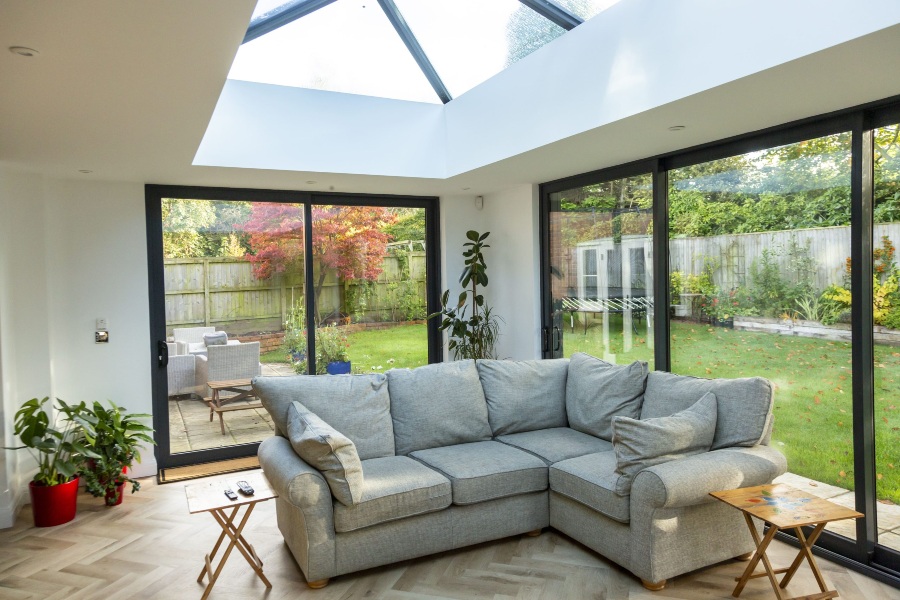
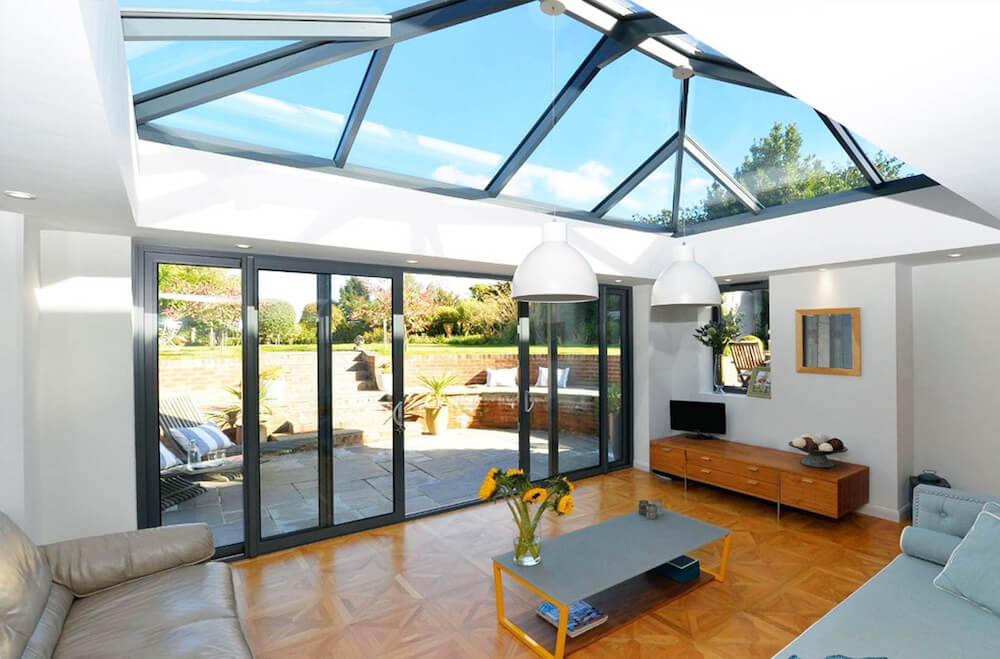
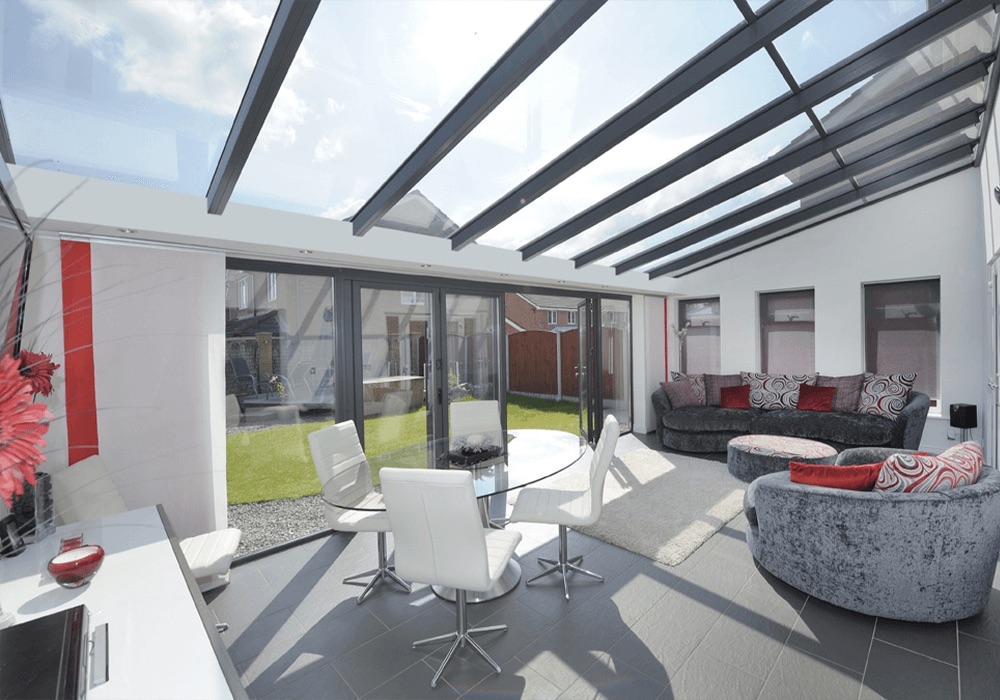
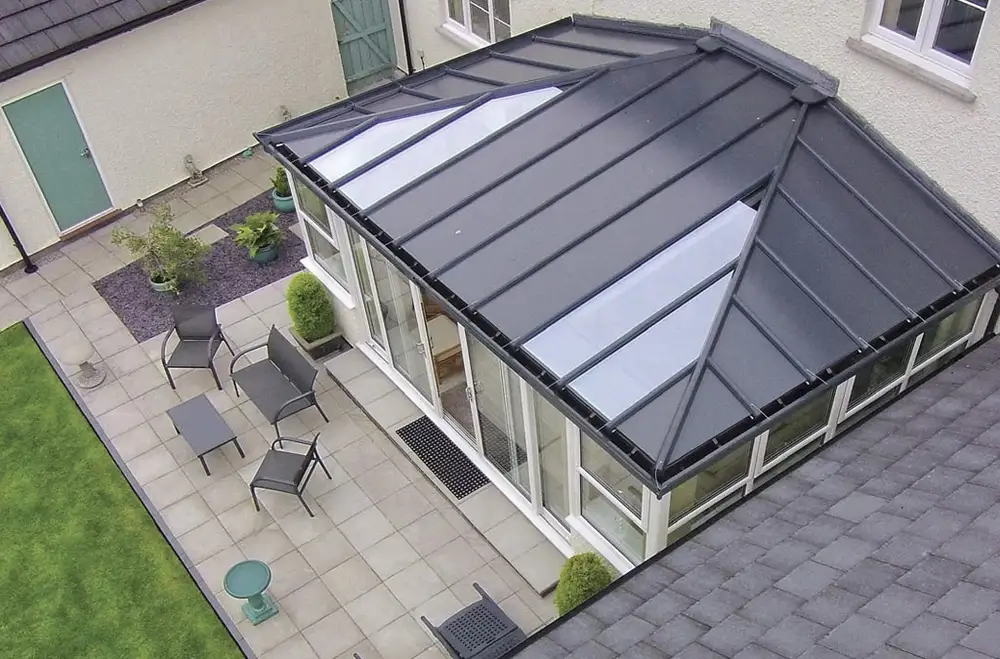
In many conservatories, the roof is the largest “collector” of sun. If the roof is older polycarbonate or basic glazing without solar-control characteristics, you may find the room heats up quickly even when outside temperatures feel moderate.
3) Ventilation often isn’t enough (or isn’t used at the right time)
When a space is overheating, your instinct might be to open windows during the day—but if the air outside is hotter than inside, that can make things worse. NHS overheating advice recommends closing windows during the day and opening them at night when temperatures drop.
The timing is as important as the ventilation itself.
4) “Comfort” is not just temperature
Glare, stuffy air and high humidity can make a conservatory feel uncomfortable even if the thermometer doesn’t look extreme. That’s why the best solutions typically combine shading + ventilation + better roof/glazing performance.

Step 1: Quick fixes you can try first
These are the least disruptive measures. They won’t transform every conservatory, but they often make a noticeable difference—especially if you apply them early in the day.
Use “smart ventilation” rather than “more ventilation”
A helpful pattern (aligned with UK overheating advice) is:
- Close windows/doors on the sun-facing side during the hottest part of the day to reduce warm air coming in.
- Ventilate when the air feels cooler outside, usually late evening, overnight (where safe), and early morning.
- Aim for cross-ventilation: openings on opposite sides create a pathway for air to move through the room.
If your conservatory has roof vents, use them—hot air rises, so high-level venting can be especially useful.
Shade first, cool second
Government overheating guidance focuses on limiting unwanted solar gains first.
In practice, shading is most effective when it stops direct sun from hitting interior surfaces.
- Close blinds before direct sun arrives (late morning for many homes).
- Roof blinds can be particularly helpful because roof glazing often drives overheating.
- Light-coloured or reflective blind fabrics often perform better for summer glare/comfort than dark fabrics.
External shading can be very effective
Where suitable, external shading (awnings, canopies, pergolas, shading sails) blocks solar radiation before it reaches the glazing. Overheating guidance repeatedly highlights shading as a core mitigation tool.
Even temporary external shading can improve comfort on south- or west-facing elevations.
Fans: useful, with a safety note
Fans can improve perceived comfort and help move air—especially when combined with cross-ventilation. NHS guidance notes electric fans can help if air temperature is below 35°C.
nhs.uk
A simple approach:
- Position a fan to help pull cooler air in (evening/early morning) and push warmer air out.
Reduce internal heat sources
This won’t solve solar gain, but it can help:
- Turn off unnecessary lights/equipment that generate heat.
- Avoid using the conservatory for heat-generating tasks during the hottest hours.
Step 2: Mid-level improvements (where comfort gains usually accelerate)
If quick fixes help but the room is still uncomfortable, it’s usually time to address solar gain through the glazing and improve ventilation capability.
Solar control window film (retrofit option)
If you don’t want to replace glazing, specialist solar control window film can be a practical retrofit. The Glass and Glazing Federation’s MyGlazing guidance notes that solar control film applied to glass can help reduce overheating, as well as glare and UV exposure.
ggf.org.uk
Practical notes:
- Film suitability depends on the glazing type and where it’s being applied (roof vs vertical).
- Use reputable products/installer guidance for roof applications.
Solar control glazing (upgrade option)
Where you are changing glazing (or planning major improvements), solar control glazing can help reduce heat build-up and glare. MyGlazing notes that for large glazed areas—particularly south-facing conservatories—considering solar control glazing alongside Low-E can help manage overheating risk.
A key nuance: Low-E glass can be excellent for thermal efficiency, but on its own it may not significantly reduce the heat entering through highly glazed roofs—so solar control characteristics matter for summer comfort.
Improve ventilation capability (not just usage)
If your conservatory has limited openable area, you may benefit from:
- Additional or upgraded roof vents (high-level exhaust for hot air).
- Better background ventilation options (where appropriate).
- Reviewing how the conservatory connects to the house (some layouts trap hot air with no clear escape path).
Ventilation improvements tend to work best alongside shading, not instead of it.
Step 3: When a roof upgrade is likely the best solution
If your conservatory is regularly unusable in warm weather—or your goal is a more “year-round room”—then improving the roof performance is often the most impactful step.
Why roofs are a “big lever” for comfort
Because roofs receive prolonged direct sunlight, changing the roof build-up can reduce the amount of heat entering from above. It can also improve winter comfort by reducing heat loss.
This aligns with broader energy guidance: the Energy Saving Trust explains insulation helps keep homes cooler in summer and warmer in winter (it slows heat moving in or out).
Options: high-performance glazed roof vs insulated/solid replacement roof
There are two broad routes homeowners commonly consider:
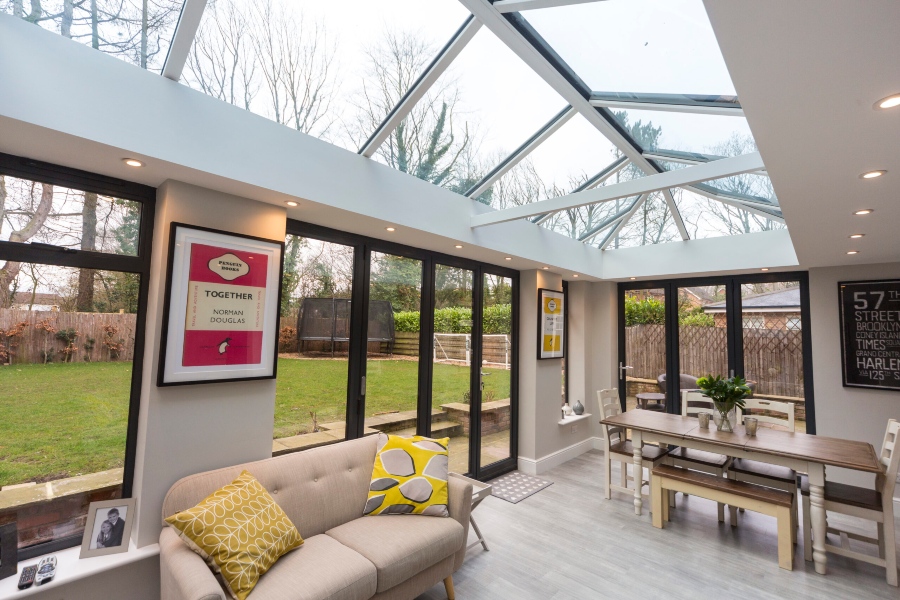
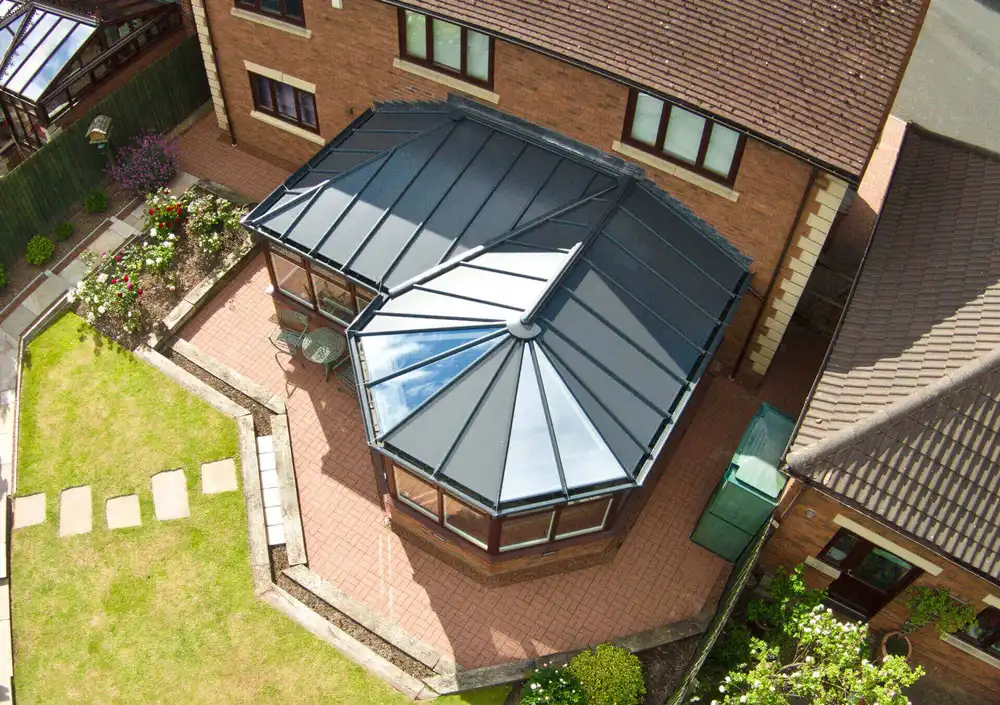
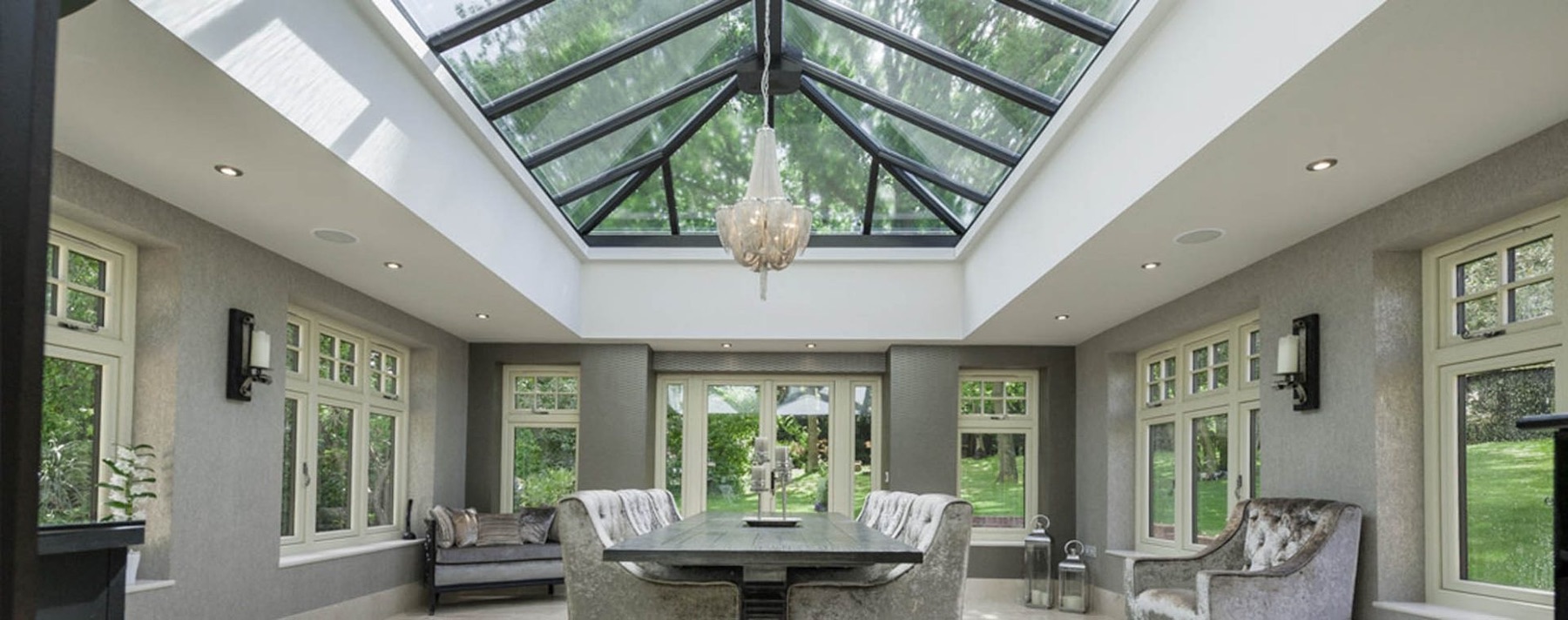
A) High-performance glazed roof solutions
- Keep a bright conservatory feel and sky view.
- Comfort can improve when solar control specs and shading/ventilation are correctly combined.
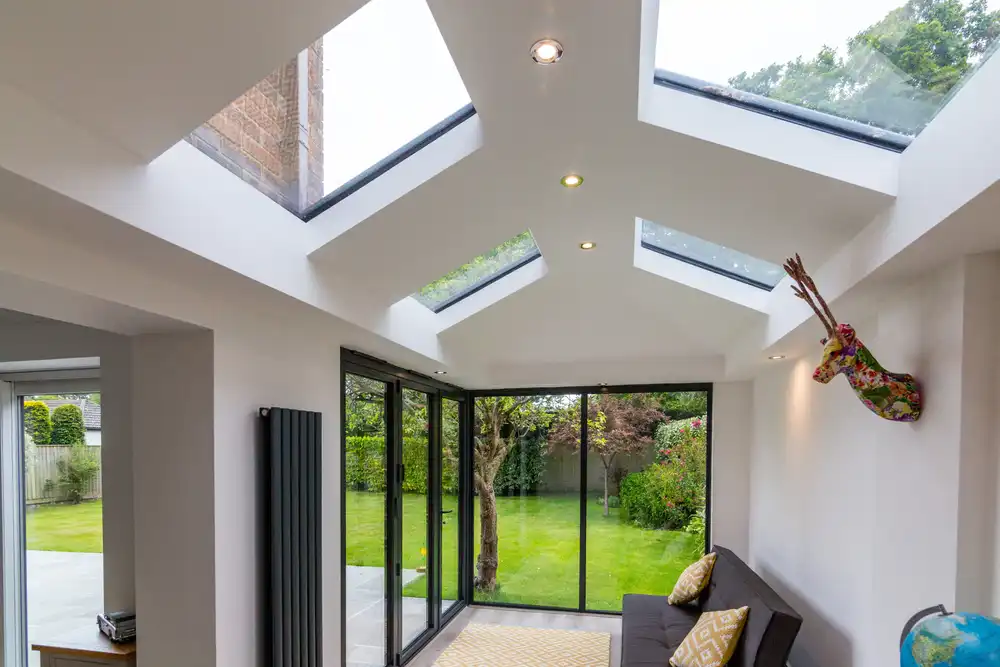
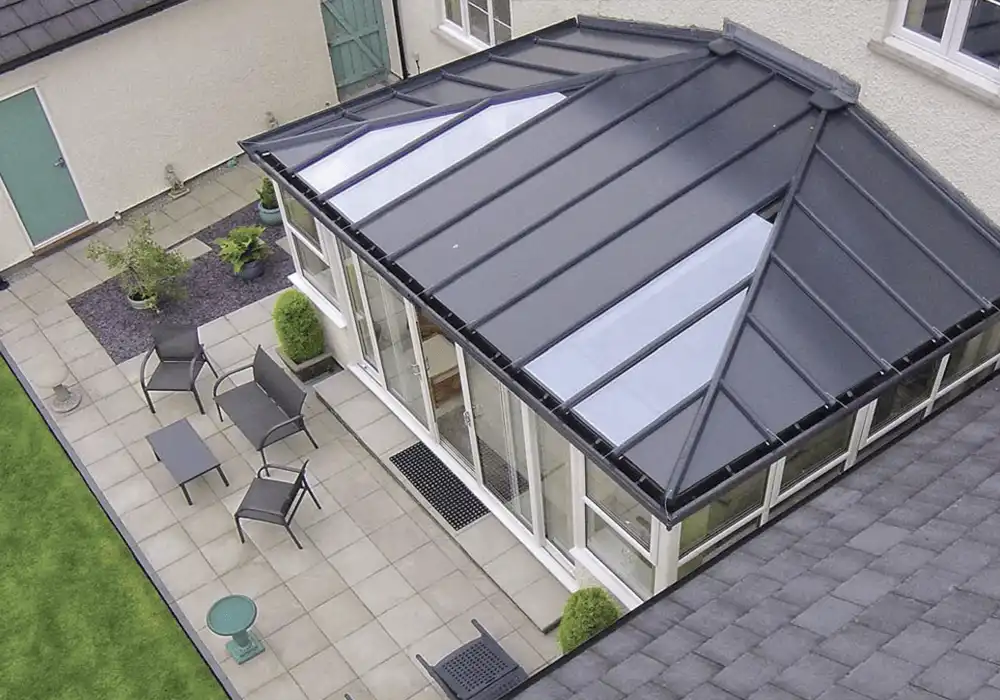
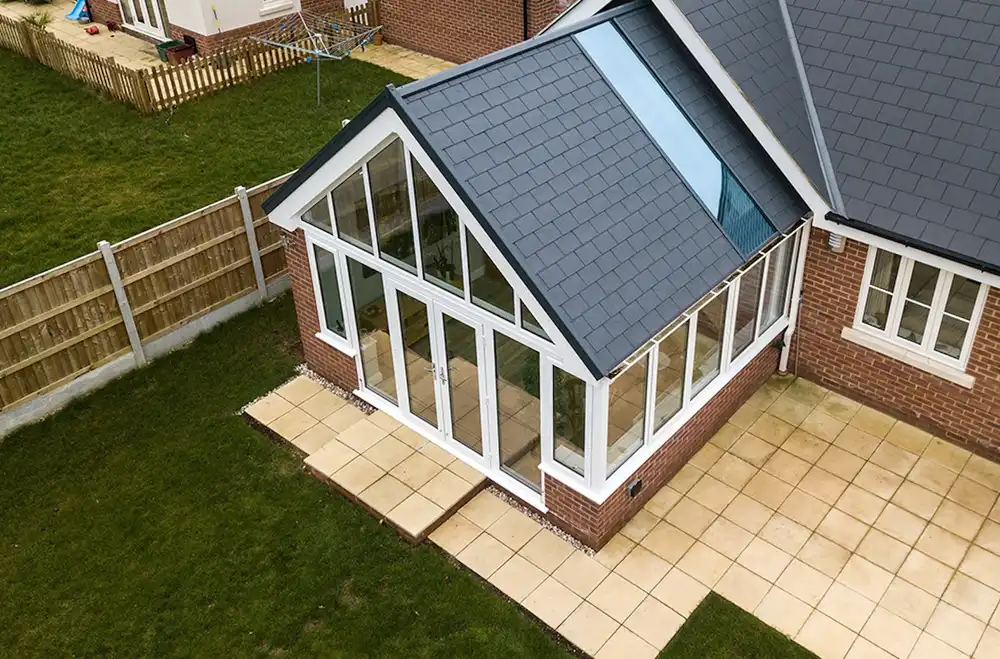
B) Insulated / solid replacement roofs
- Often deliver the most stable comfort, reducing direct overhead solar gain.
- Can make the space feel more like a traditional room (with a different daylight “character” than full glazing).
If you’re aiming to use the conservatory as a daily living space (not just occasional seating), many homeowners choose an insulated roof approach for that reason.
Make sure it’s suitable before you commit
A roof upgrade should be assessed properly—especially on older conservatories. A good survey should consider:
- Frame condition and structural suitability
- Ventilation strategy after upgrade
- How the space connects to the house
- Your comfort goals (light vs temperature stability)

How this relates to what we provide (without the hard sell)
The Little Conservatory Company designs and installs conservatories, orangeries and other living spaces, and operates locally from Cheltenham across Gloucestershire and nearby areas.
If overheating is your main issue, we can advise on:
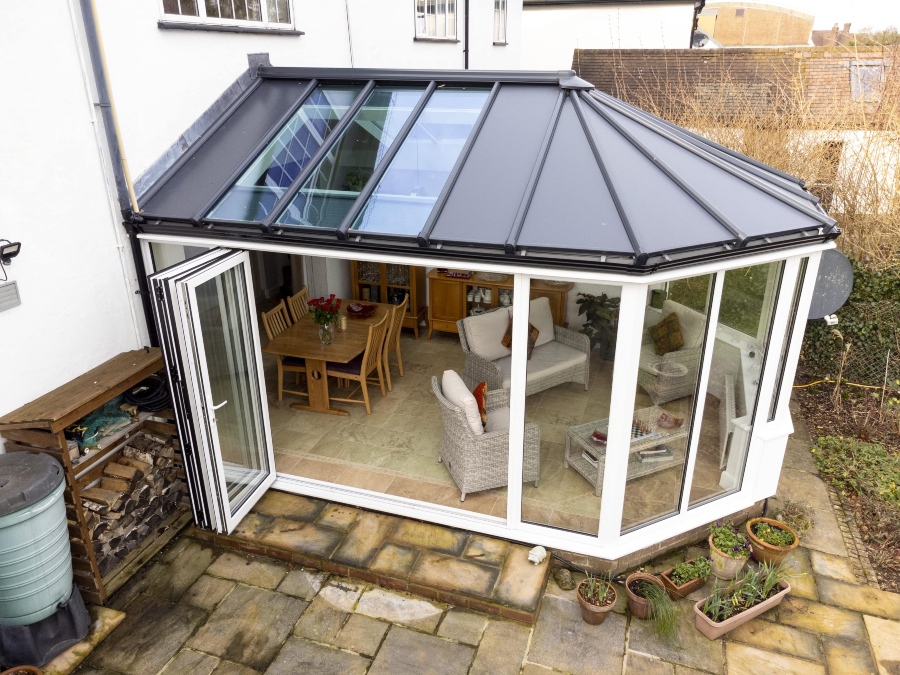
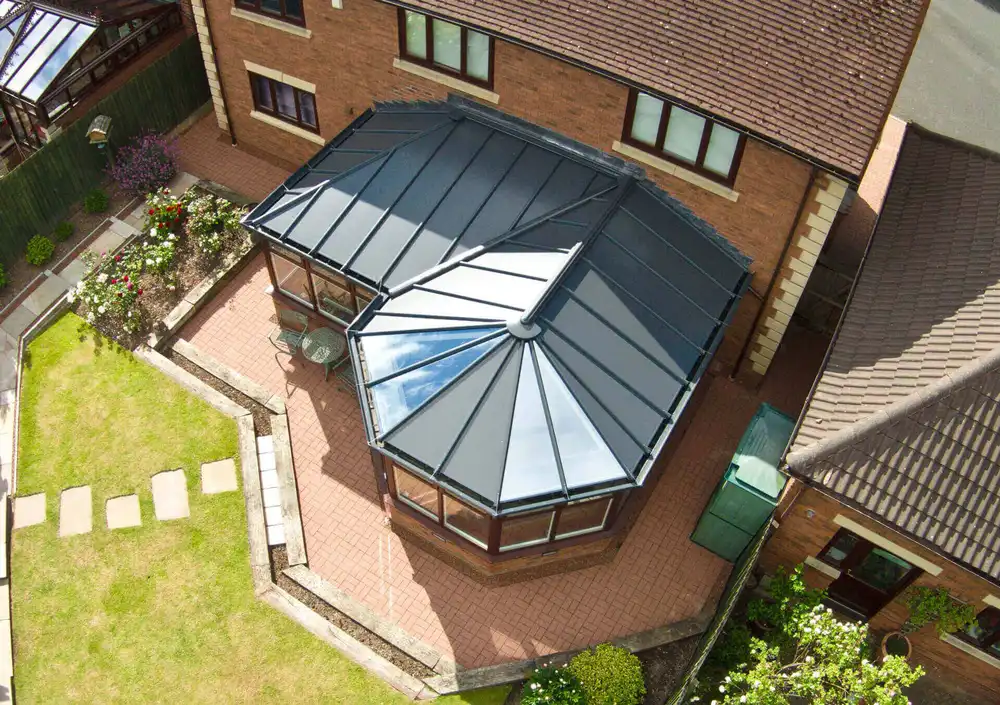
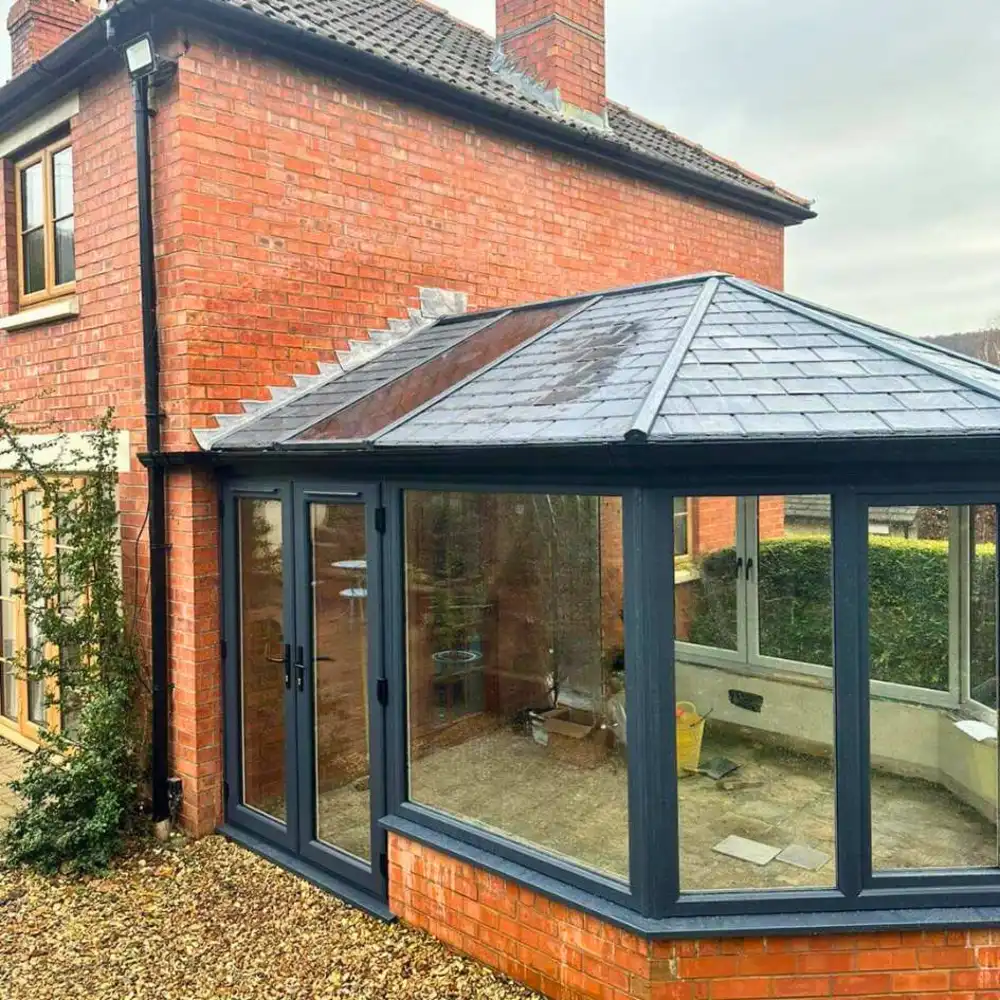
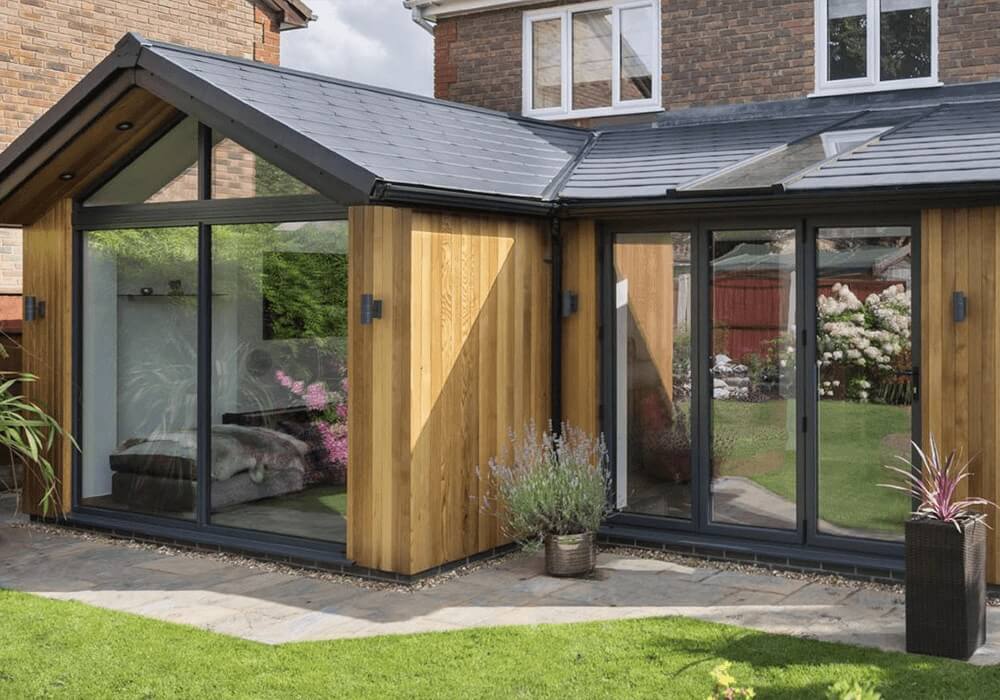
- Replacement conservatory roofs designed to improve insulation and reduce draughts/leaks (and typically deliver better comfort).
- Solid roof conservatory solutions positioned for thermal efficiency and “year-round comfort.”
- Supplier-backed roofing systems aimed at improving comfort and energy efficiency.
A simple decision pathway
If you want a clear route forward, use this:
- Start with quick wins (1–2 weeks)
- Close blinds/curtains on sun-facing glazing before peak sun.
- Ventilate when it’s cooler outside (evening/early morning), and use cross-ventilation.
- Add targeted upgrades (2–8 weeks)
- Solar control film for problem areas.
- Improve shading and airflow (roof vents, better opening strategy).
- If the room is still not usable
- Consider a roof upgrade or glazing upgrade designed for comfort improvement (especially if the roof is the main heat source).
Local note: Cheltenham & Gloucestershire homes
In our area, many conservatories are added to existing homes over different decades—so roof and glazing performance can vary widely. South- and west-facing gardens around Cheltenham and across Gloucestershire can see strong afternoon sun, which often makes overheating more noticeable. Because of that, a local survey that considers orientation, existing roof type, and ventilation options is usually the fastest way to identify what will make the biggest difference—without over-specifying work you don’t need.
FAQs
Why is my conservatory so hot in summer?
Usually because sunlight enters through the roof and glazing, warms interior surfaces, and the heat becomes trapped—especially when ventilation is limited.
Should I open windows during the day to cool it down?
Open windows when the air outside feels cooler (often evening/early morning). NHS guidance recommends closing windows during the day and opening at night when temperatures drop.
Do blinds really help with overheating?
Yes—especially when used early (before the room heats up). Shading is a key approach in overheating mitigation guidance.
Will a roof upgrade make the biggest difference?
Often, yes—especially if roof solar gain is driving the problem. Insulation principles also support improved summer comfort by slowing heat entering the space.
Is mechanical cooling the next step?
Where cooling is considered, UK guidance for new dwellings emphasises adopting passive measures first (limit solar gains, provide ventilation) before mechanical cooling.