

Building Regs Made Simple: What Applies to Conservatories, Roof Replacements, and Open-Plan Conversions?
- 25 Feb 2026|
- News|
- Posted by Paul Davies
Let’s be honest. The words “building regulations” are enough to make most homeowners want to put the kettle on and pretend the whole thing can wait until next year.
But here’s the thing — understanding what applies to your project doesn’t have to feel like reading a legal textbook. At The Little Conservatory Company, we’ve spent years helping homeowners get more from their homes through beautiful, well-built conservatories. And part of doing that job properly means making sure you go into your project with your eyes open.
So let’s cut through the confusion. In plain English. No jargon. No waffle.
A quick but important note: Building regulations depend on your specific property, project, and location. This blog is for general guidance only — always check with your local authority and speak to a qualified professional before starting any work. We’ll always be upfront with you about what applies to your situation.
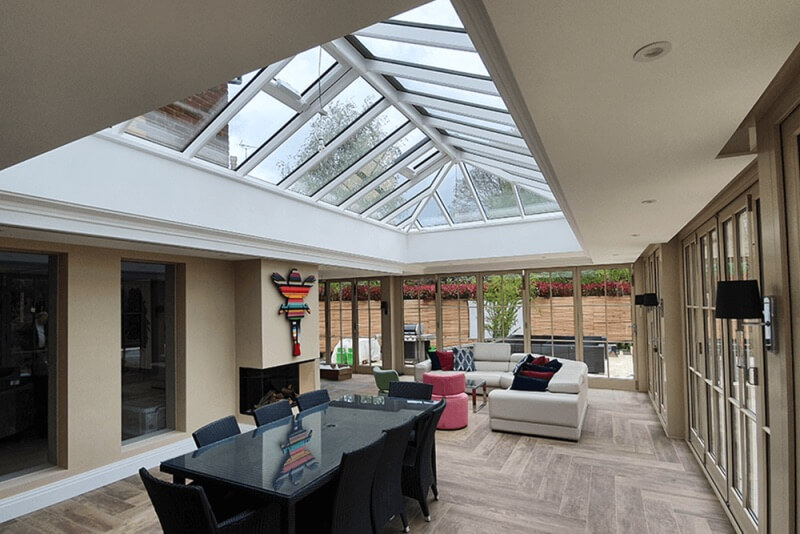
First Things First — What Actually Are Building Regulations?
Building regulations are the UK Government’s minimum standards for how buildings should be constructed, altered, and extended. They exist to make sure your home is safe, structurally sound, energy-efficient, and properly ventilated — for you and for anyone who lives there after you.
And here’s something that catches a lot of people out: building regulations and planning permission are not the same thing. You might need one, both, or neither — depending entirely on what you’re doing and where you live.
Getting this wrong isn’t just a paperwork headache. It can mean:
- Enforcement action from your local council
- Real difficulties when you come to sell your home
- Insurance complications you really don’t want
- Having to redo — or even remove — work at your own expense
None of that is fun. So let’s make sure you’re on the right side of it from the start.
Conservatories: The Exemption That Comes With Conditions
Here’s some good news — many conservatories don’t require building regulations approval at all. But, and this is important, that exemption only applies when certain conditions are met.
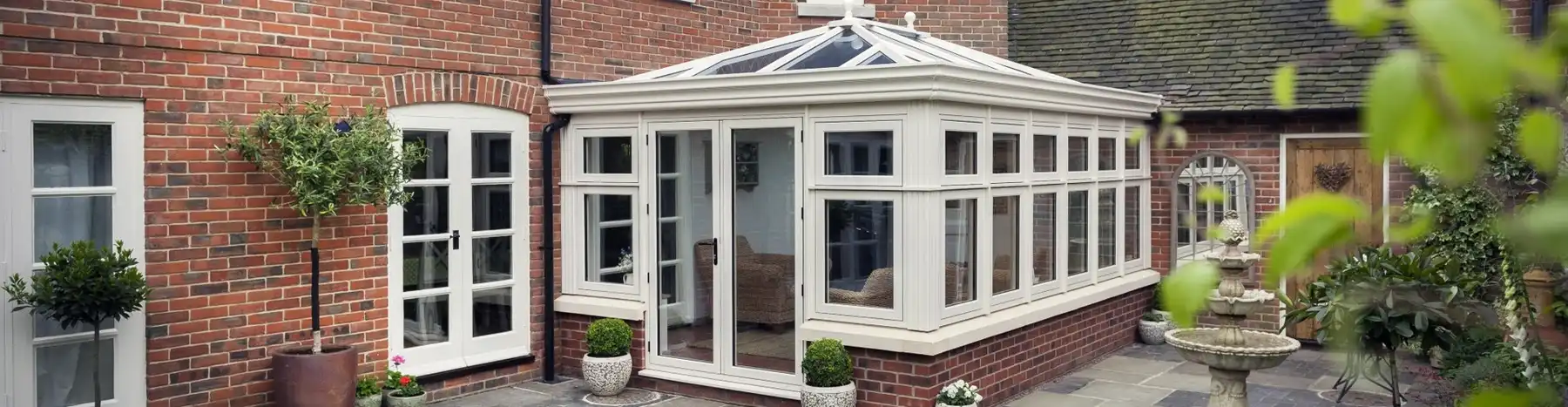
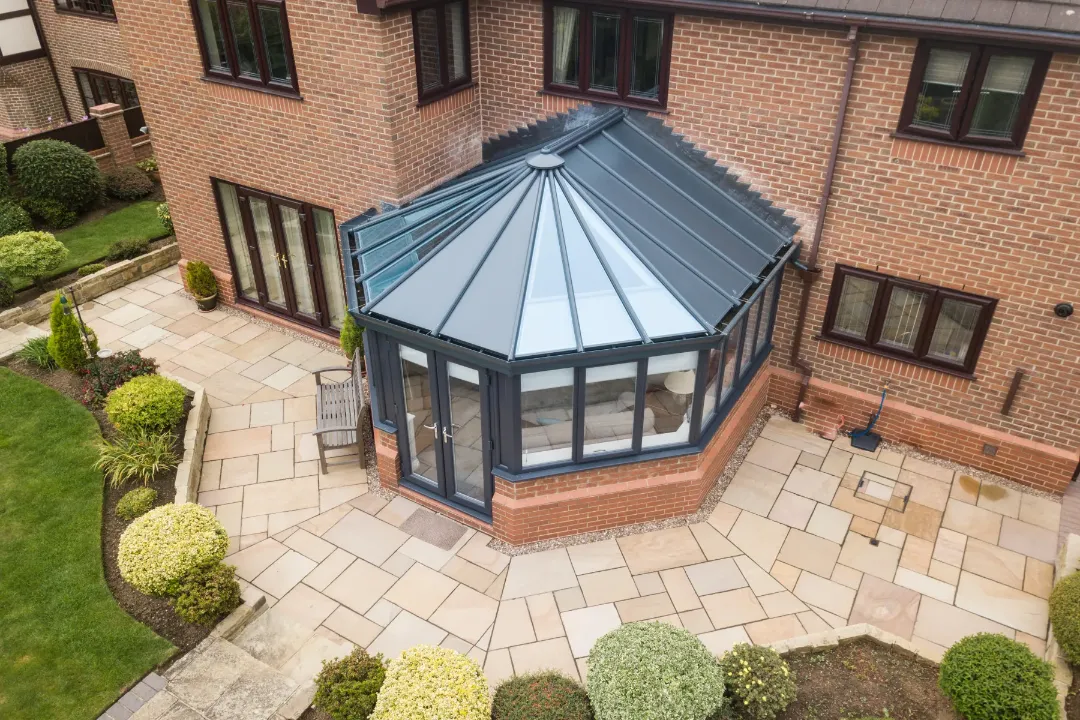
Under current UK regulations, your conservatory may be exempt if it:
- Is built at ground level
- Has a floor area of 30 square metres or less
- Is separated from the main house by external-quality walls, doors, or windows — think proper external-grade glazing or doors, not just an open archway
- Has its own independent heating that isn’t connected to your home’s central heating system (if it’s heated at all)
- Is sufficiently glazed — typically, at least 75% of the roof and 50% of the walls should be glazed or translucent (for example, glass or polycarbonate). These figures are widely referenced as practical guidance, though your specific project should always be confirmed with Building Control
That last point — and the thermal separation from the main house — are the really crucial ones. They’re what make a conservatory a conservatory in the eyes of the regulations, and what give it that exemption status.
At The Little Conservatory Company, this is something we look at carefully with every customer. Because assuming an exemption applies without checking? That’s where problems start.
Replacing Your Conservatory Roof — What You Need to Know
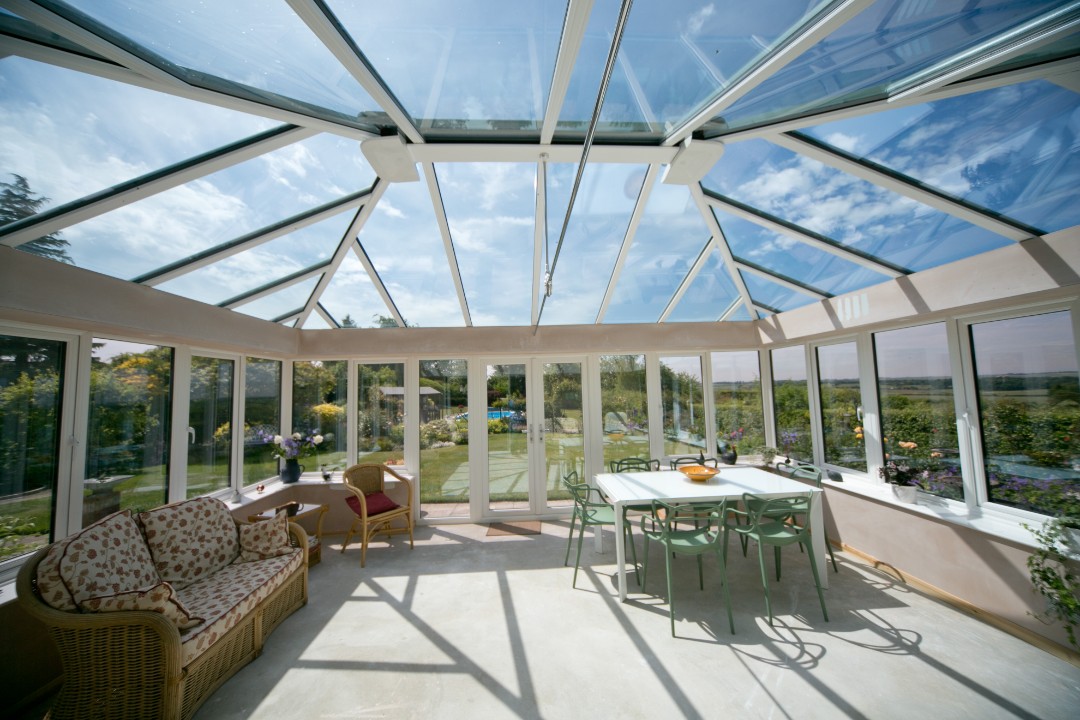
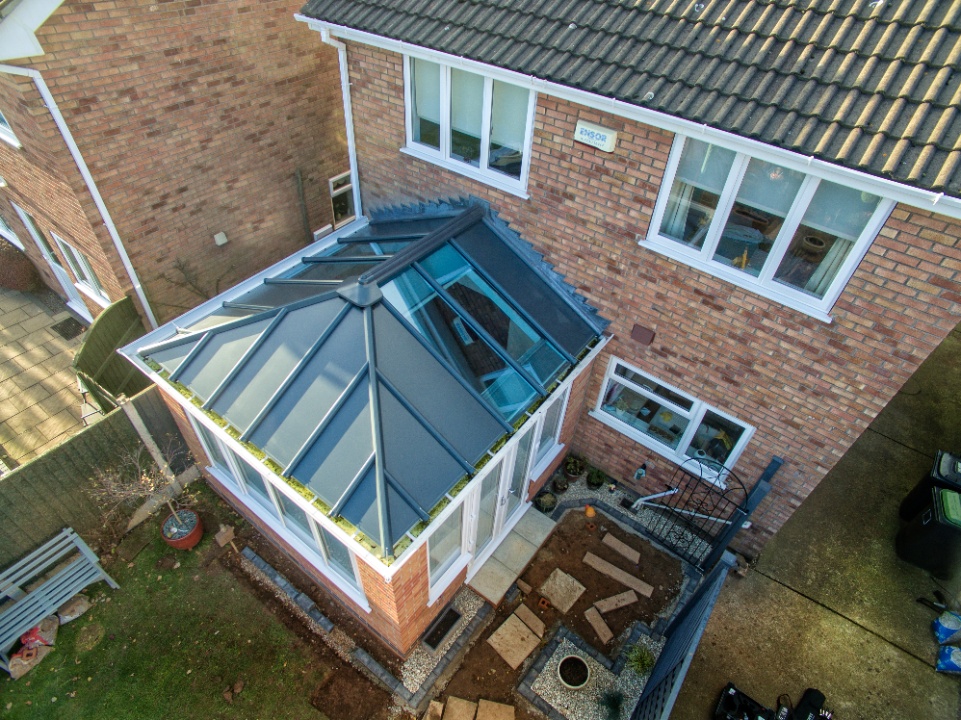
Roof replacements are one of the most popular projects we’re asked about — and it’s easy to see why. An ageing polycarbonate roof can turn your conservatory into a greenhouse in July and an icebox in January. Upgrading it can genuinely transform how you use the space all year round.
But the big question is: does replacing your conservatory roof need building regulations approval?
The honest answer is: it depends on what you’re replacing it with — and how your local Building Control interprets the work.
Swapping Like for Like
Replacing a polycarbonate or glass roof with a similar glazed or translucent material, with no structural changes involved, is often treated as repair or maintenance rather than a formal alteration — and may not require building regulations approval in that context.
However, it’s still worth confirming with your local Building Control before proceeding. Even seemingly straightforward roof work can raise questions around structural safety, safety glazing requirements, or electrical installations — and different councils can interpret “repair versus alteration” differently. A quick check costs nothing and gives you certainty.
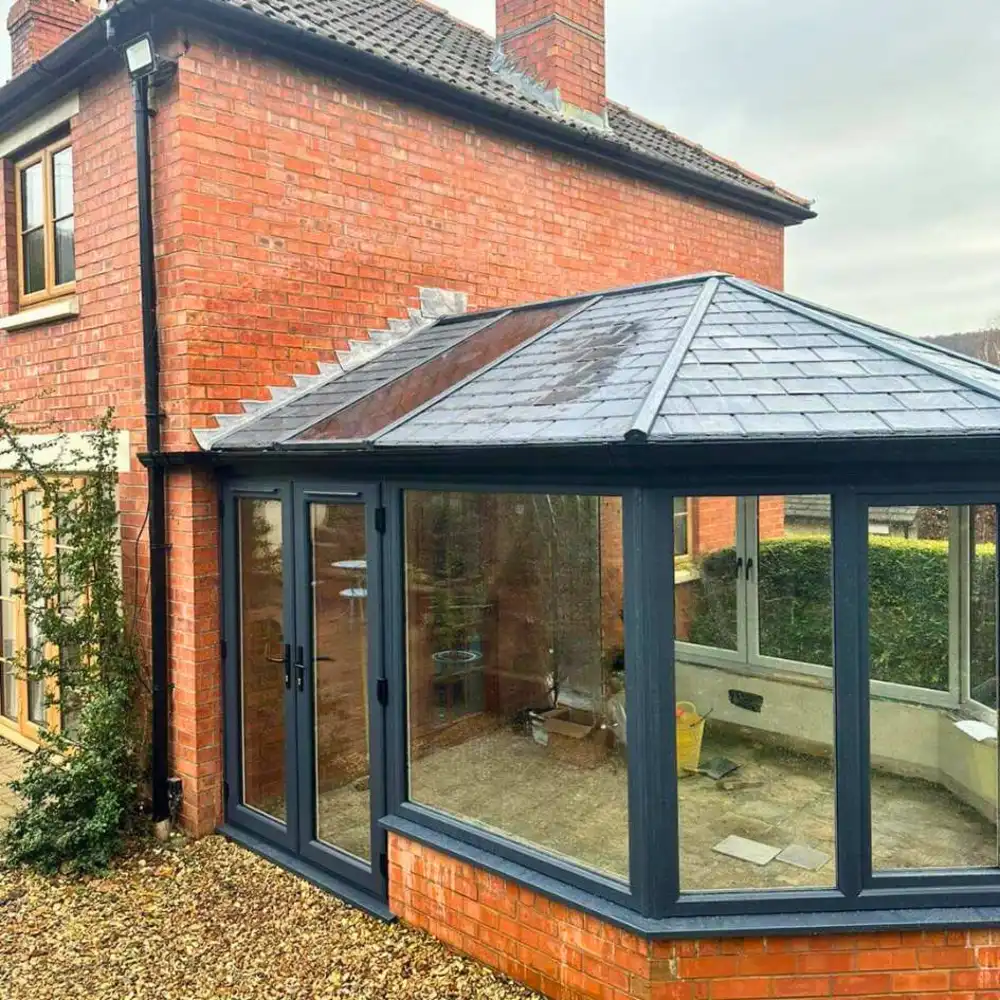
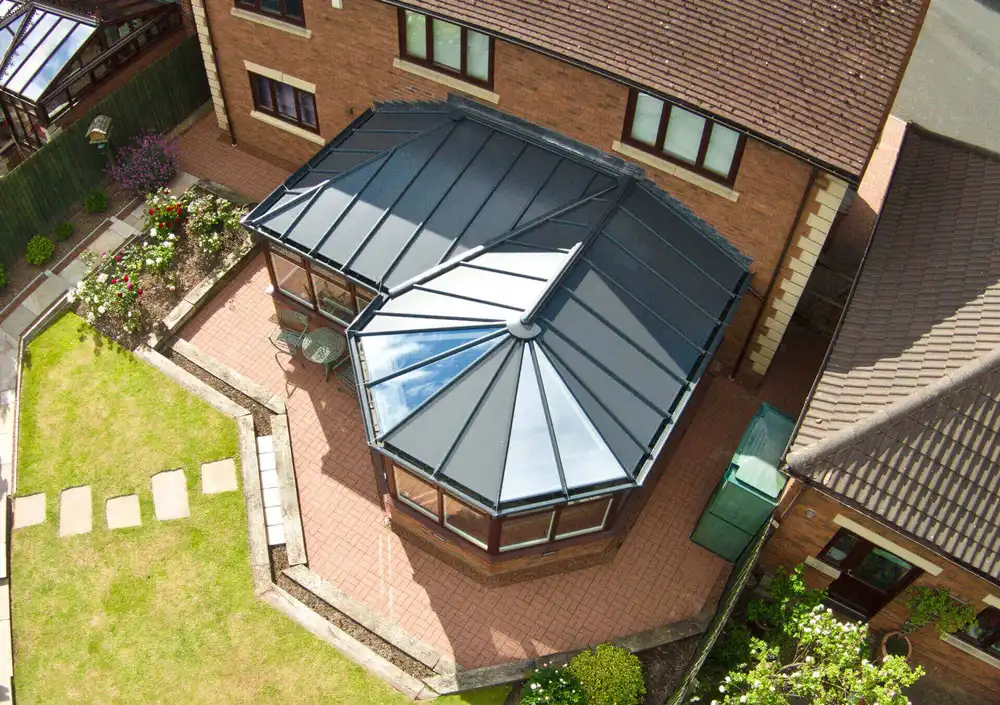
Going for a Solid or Tiled Roof
This is a different matter — and one worth understanding properly before you commit.
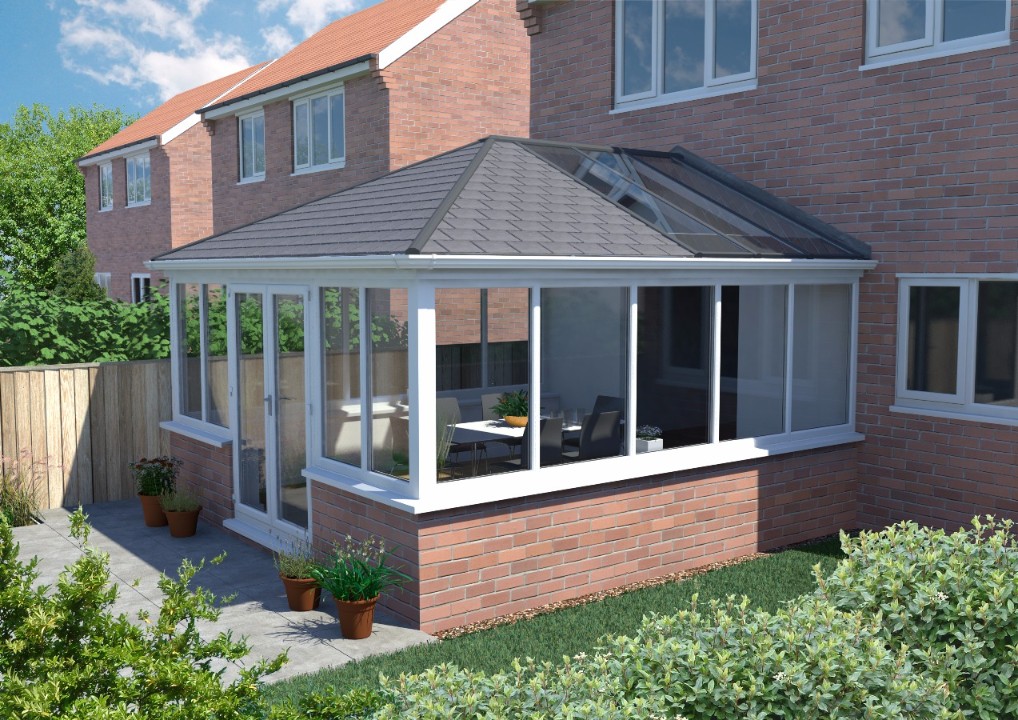
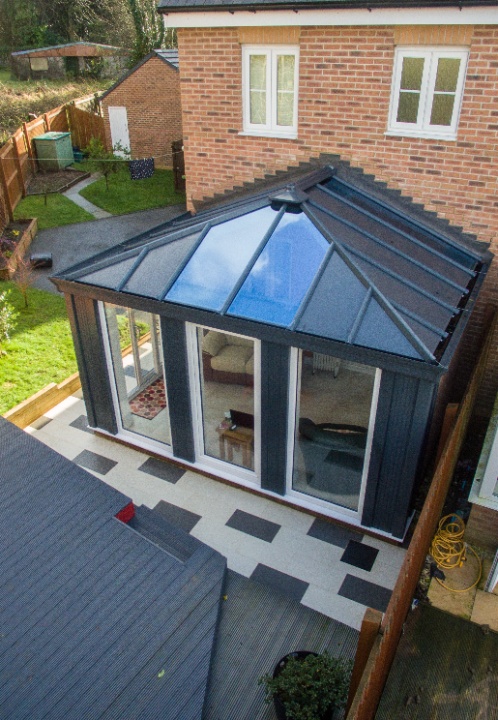
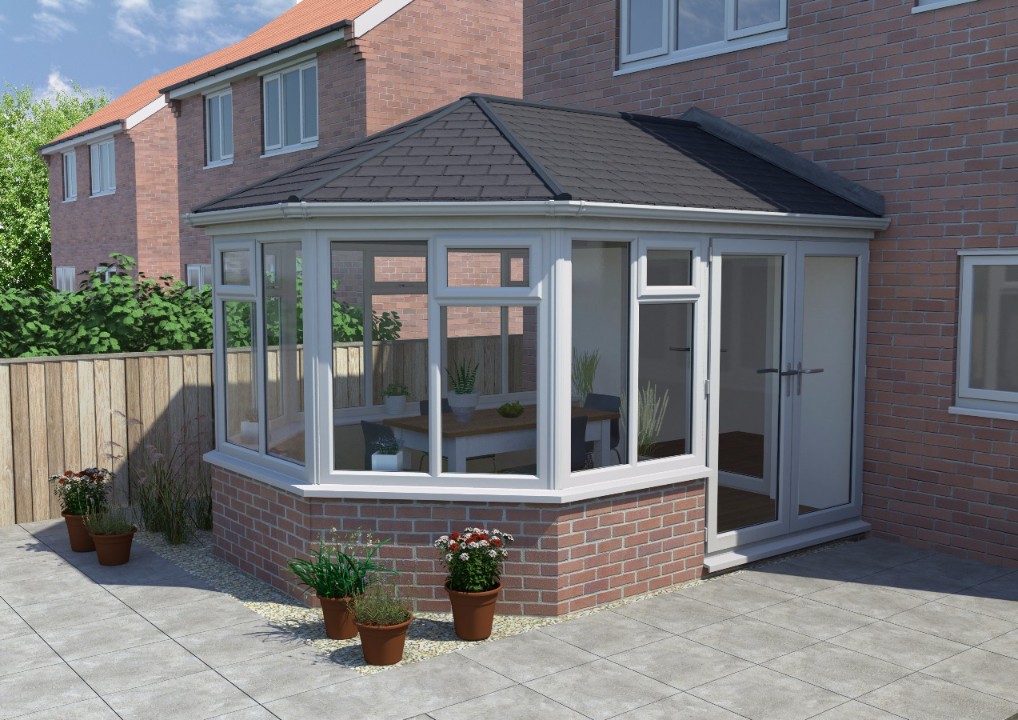
Replacing a glazed conservatory roof with a solid, tiled, or insulated roof system is a significant structural and thermal change. Here’s why it matters:
- A solid roof adds considerable weight — the existing conservatory frame and foundations need to be properly assessed to confirm they can handle it safely
- The thermal performance of the structure changes significantly, bringing insulation standards into scope
- Ventilation requirements may need to be reviewed and upgraded
- Any electrical work connected to the project — lighting, extractor fans, heating — must comply with Part P of the Building Regulations
In most cases, a solid roof replacement will require building regulations approval — and that’s not a bad thing. It means the work is assessed, signed off, and properly protected. At The Little Conservatory Company, we’ll always be straight with you about what’s involved before a single tile goes up. No surprises, no shortcuts.
Planning a solid roof upgrade?
We survey the existing frame and foundations, confirm what the work involves, and handle the Building Control side as part of the project. You get a firm price before anything is committed.
Planning a solid roof upgrade?
We survey the existing frame and foundations, confirm what the work involves, and handle the Building Control side as part of the project. You get a firm price before anything is committed.
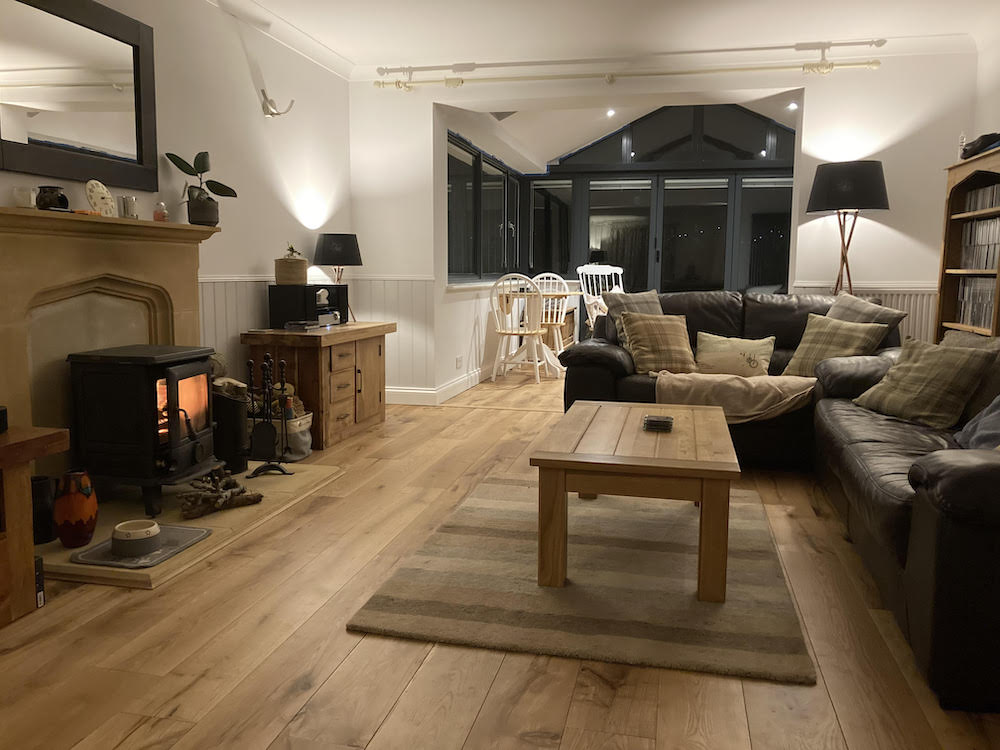
Open-Plan Conversions: Where It Gets Really Important
If there’s one area where homeowners most often underestimate the regulatory picture, it’s this one — and it’s completely understandable why.
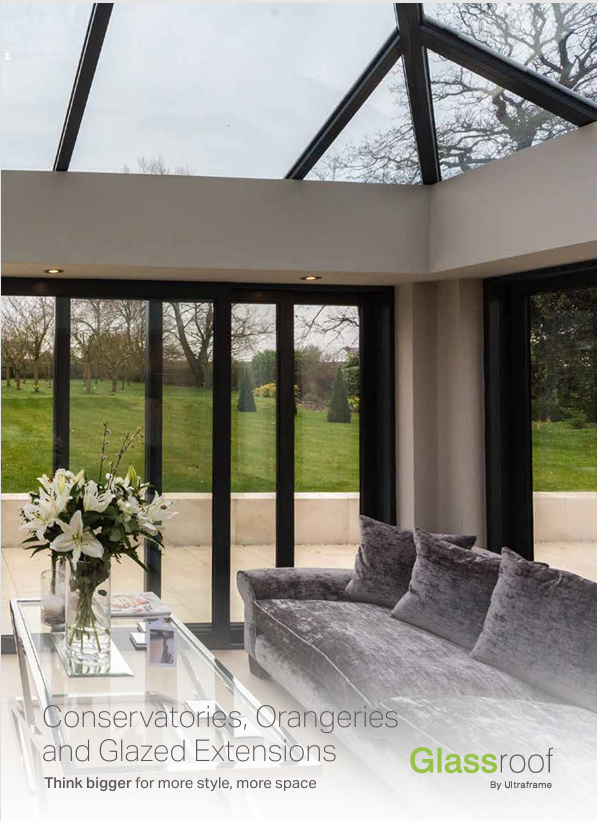
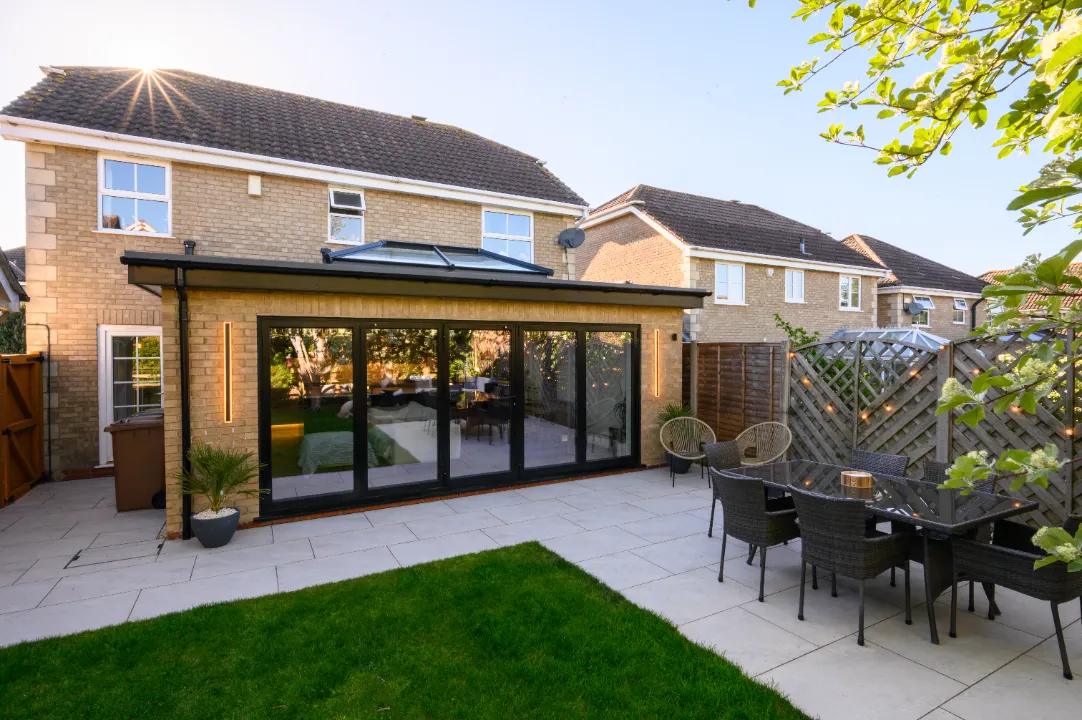
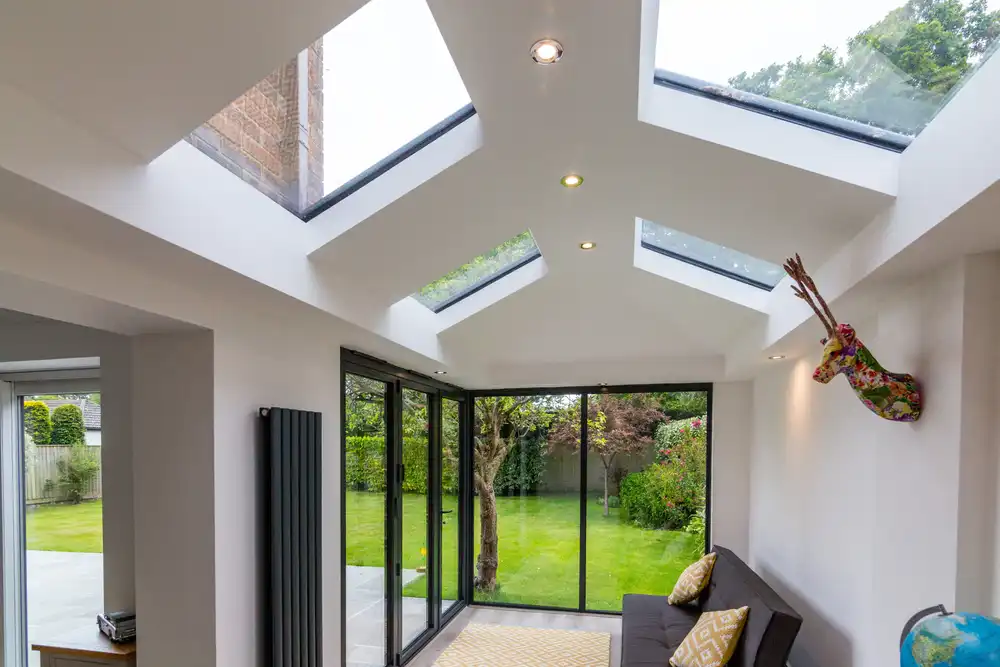
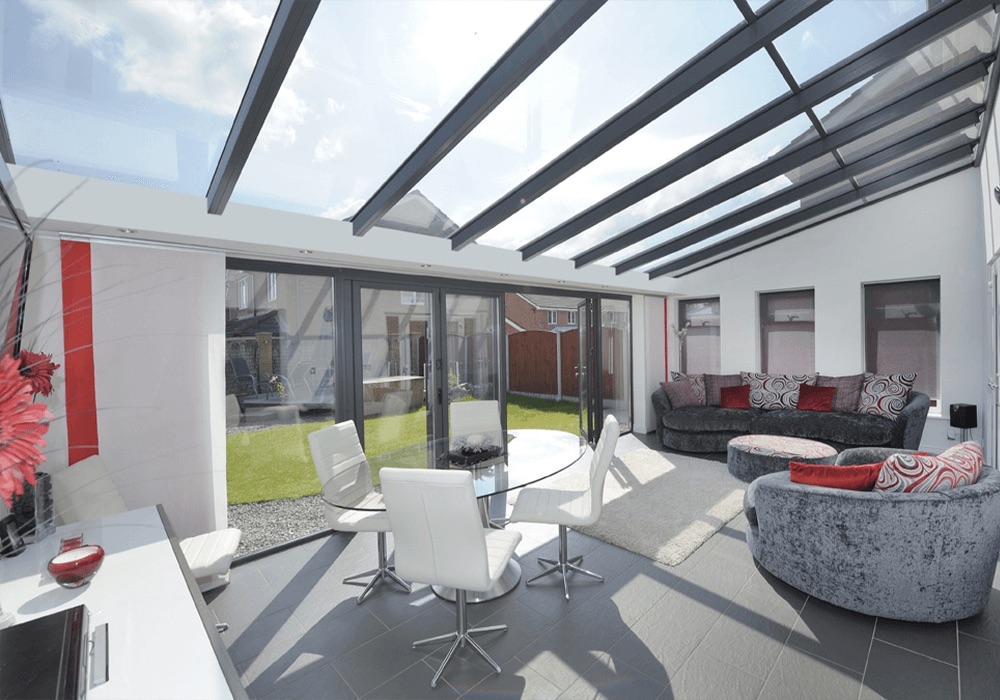
Opening up your conservatory to the rest of your home — removing the wall or doors between your kitchen or living room and your conservatory — is one of the most popular ways to create a bigger, more sociable living space. Done well, it can be genuinely stunning.
But here’s what you really need to understand before you start knocking anything through.
The Exemption Disappears the Moment That Separation Goes
Remember those exemption conditions we covered earlier? The thermal separation between the conservatory and the main house is central to them. The moment you remove that separation — whether it’s a wall, a set of French doors, or glazed partitions — the conservatory is no longer a conservatory in regulatory terms.
It becomes part of your main dwelling. It’s now inside the thermal envelope of your home.
And that one change means the space must now perform like any other heated room in your house — insulation, ventilation, structure, and safety all apply, in full.
What Building Regulations Come Into Play?
Once that separation is gone, the former conservatory space needs to meet the same standards as any other habitable room. That means:
- Thermal insulation (Part L): The roof and walls must meet current energy efficiency standards — a polycarbonate or single-glazed roof is very unlikely to comply at this point
- Structural work (Part A): Removing a wall requires a proper structural assessment — usually a steel beam or lintel, specified by a structural engineer
- Fire safety (Part B): Escape routes and fire detection need to be reviewed for the new, enlarged layout
- Ventilation (Part F): A larger open space needs adequate fresh air — this needs to be assessed and designed properly
- Electrics (Part P): Any new or altered electrical installation must be carried out and certified by a qualified electrician
None of this means an open-plan conversion is out of reach. Many of our customers have created incredible spaces that completely change how their homes feel and function. But it does mean going in with the right information, the right professional team, and the right approvals firmly in place.
At The Little Conservatory Company, we will always tell you clearly and early what a project like this involves. That’s the only way we know how to work.
Thinking about opening yours up?
Open-plan conversions are work we do regularly. We assess the structure, specify what Parts A, B, F, L and P require for your property, coordinate the structural engineer and electrician, and quote for the whole job so there is one point of contact rather than five.
Thinking about opening yours up?
Open-plan conversions are work we do regularly. We assess the structure, specify what Parts A, B, F, L and P require for your property, coordinate the structural engineer and electrician, and quote for the whole job so there is one point of contact rather than five.
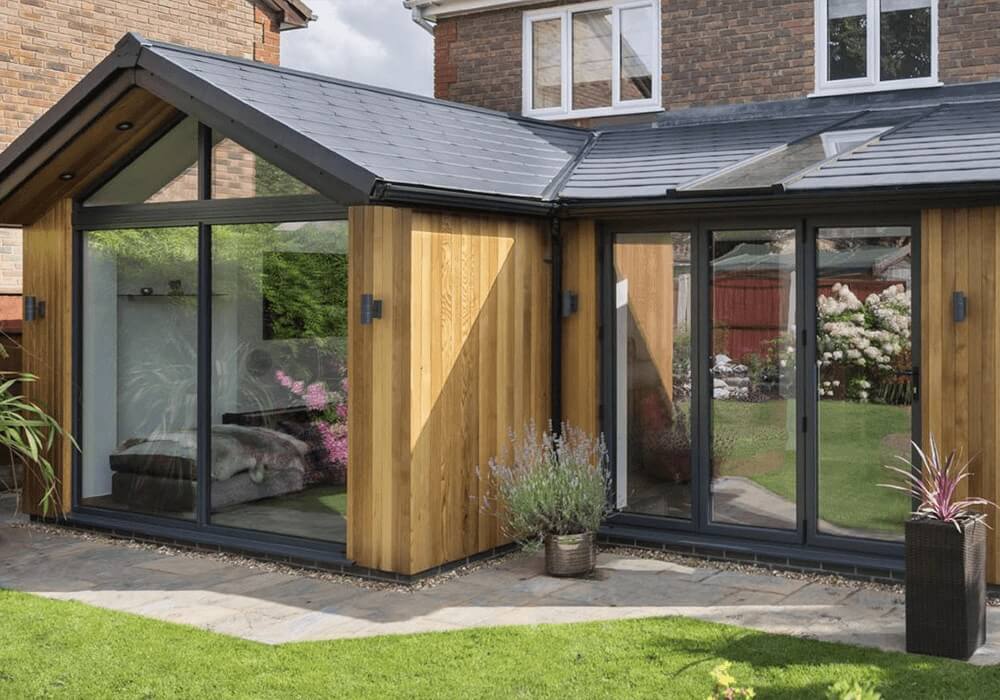
What About Planning Permission?
Worth a clear mention here — because it’s a separate question that often gets bundled in with building regs.
For most standard conservatory projects, permitted development rights mean you won’t need planning permission. But those rights aren’t universal. They can be restricted or removed entirely if:
- You live in a listed building
- Your home is in a conservation area or an Area of Outstanding Natural Beauty
- Previous extensions or additions have already used up your permitted development allowance
If you’re unsure where you stand, the Planning Portal is a useful starting point — but the definitive answer always comes from your local planning authority.
It’s also worth knowing that certain rules around planning — including what’s sometimes called the four-year rule for permitted development — can affect how previous work on your property is treated. We cover topics like these in more detail across our blog, so if you want to understand the planning side of your conservatory project more fully, it’s well worth a read before you make any decisions.
Your Pre-Project Checklist
Before any work starts — new conservatory, roof upgrade, or open-plan conversion — run through these steps:
- Check your permitted development position with your local authority or via the Planning Portal
- Don’t assume the building regs exemption applies — confirm it based on your specific project with Building Control
- Talk to a specialist early — the sooner you get proper guidance, the smoother everything runs
- Keep every certificate — your building regulations completion certificate is something you will need when you sell your home
- Ask questions about your existing structure — if you’re modifying an existing conservatory, its original compliance matters for what comes next
Questions We Hear All the Time
Does my new conservatory definitely need building regs?
Not necessarily — but it depends on your specific project. Don’t assume either way without confirming with Building Control.
Can I open up my conservatory to the kitchen without any approvals?
Almost certainly not without building regulations sign-off.
Removing the thermal separation between your conservatory and your home is one of the most significant changes you can make — and it almost always requires formal approval.
Who signs off building regulations?
Either your local authority’s building control team or an approved private inspector. They’ll issue a completion certificate once the work is finished and compliant — keep that document safe.
What if a previous owner did the work — am I liable?
This is something to raise with your solicitor. Non-compliant work from previous owners can create real complications during property sales and conveyancing. It’s worth understanding what you’re inheriting before you buy.
We’re Here to Make This Straightforward
At The Little Conservatory Company, we know the regulatory side of a conservatory project can feel overwhelming — but it really doesn’t have to be. We’ve helped homeowners navigate this process time and again, and our approach has always been the same: be honest, be clear, and make sure you feel confident at every stage.
Whether you’re thinking about a brand new conservatory, considering a solid roof upgrade, or planning that open-plan space you’ve been dreaming about — we’d love to talk it through with you properly.
New conservatory, roof upgrade or open-plan conversion — we will price it properly.
Tell us which of the three you are planning and we will arrange a survey across Cheltenham, Gloucestershire and the surrounding areas. Free, and with no obligation.
New conservatory, roof upgrade or open-plan conversion — we will price it properly.
Tell us which of the three you are planning and we will arrange a survey across Cheltenham, Gloucestershire and the surrounding areas. Free, and with no obligation.