

Fully Bespoke Spaces
Request a Callback
What products are you interested in?
(Select all that apply)
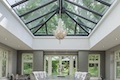
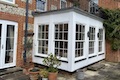
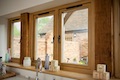
Windows
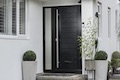
Doors
Request a Callback
How should we contact you?
Thank you, your request has been sent
What should you expect now?
1
Call Back – Free No Obligation Quote & Initial Guidance
2
Consultation – Personalised 1-2-1 Expert Advice for Your Project
3
Installation – Transform Your Home with Ease Ongoing
4
Support – Help Whenever You Need It



Thank you, your request has been sent
What should you expect now?
1
Call Back – Free No Obligation Quote & Initial Guidance
2
Consultation – Personalised 1-2-1 Expert Advice for Your Project
3
Installation – Transform Your Home with Ease Ongoing
4
Support – Help Whenever You Need It
Continue Browsing
What To Consider
Before you begin planning your dream extension, you’ll need consider a few things such as your existing property, your planned extension and your local area.
Property Type and Location
Listed buildings, conservation areas, and properties in Areas of Outstanding Natural Beauty have stricter requirements for planning permission.
Size, Height and Boundaries
The dimensions of your proposed extension determine whether you need planning permission. Key factors include the height of your extension, how much ground it covers, and its distance from property boundaries.
Surrounding Area
Your extension must not unreasonably affect neighbouring properties. You'll need to account for protected trees, drainage, rights of way, and any party wall agreements.
What do our customers say
TLCC have done a superb job on our new conservatory. All work completed to a very professional standard, they kept us well informed on progress and reliably turned up when...
Adrian Stubbings
Via Google

We had a new conservatory fitted to replace a derelict one. Very professional from the start and five star product. So pleased and would absolutely recommend.
Read moreBeth White
Via Google
Happy to recommend the Little Conservatory Company who have just completed our replacement conservatory with solid, super insulated roof. The LCC installation team, Luke and Ritchie, were exemplary.
Read moreJohn Baylis
Via Google
Paul and his team have been absolutely brilliant with the work they completed. Punctual, professional and years of experience that just reassures you when you are trying to change and...
Ben Homans
Via Google
Excellent from start to finish. We really feel we made the right choice with The Little Conservatory Company. We were always able to speak to someone in the office easily...
Emer Glynn
Via Google
I would definitely recommend Paul and his team. They have done beautiful work. They have changed my door, all my house windows including 2 patio doors and conservatory. Starting from...
David Ferdinando
Via Google
TLCC have done a superb job on our new conservatory. All work completed to a very professional standard, they kept us well informed on progress and reliably turned up when promised. Wouldn’t hesitate to recommend!
Adrian Stubbings
Via Google
We had a new conservatory fitted to replace a derelict one. Very professional from the start and five star product. So pleased and would absolutely recommend.
Beth White
Via Google
Happy to recommend the Little Conservatory Company who have just completed our replacement conservatory with solid, super insulated roof. The LCC installation team, Luke and Ritchie, were exemplary.
John Baylis
Via Google
Paul and his team have been absolutely brilliant with the work they completed. Punctual, professional and years of experience that just reassures you when you are trying to change and tweak your home, which can be quite scary. Very grateful of the fantastic finish and installation of windows and doors too. Highly recommended all accounts. Thank you for your all of your help!
Ben Homans
Via Google
Excellent from start to finish. We really feel we made the right choice with The Little Conservatory Company. We were always able to speak to someone in the office easily if we had any questions. The workers were always very considerate and good to have around. They worked quickly and were there every day even when we had several consecutive days of rain. They were all highly skilled and we couldn’t be more pleased with the finished product. We highly recommend The Little Conservatory Company.
Emer Glynn
Via Google
I would definitely recommend Paul and his team. They have done beautiful work. They have changed my door, all my house windows including 2 patio doors and conservatory. Starting from the quote, Paul was really co operative and had vast knowledge about the products and gave me options that would suit my requirements. I had to call him back again and again and he was always able to answer my questions and put me at ease. Paul himself came to take final measurements and suggested few changes in my conservatory. The installer was outstanding with the knowledge and experience of fitting all windows, doors and my conservatory. His work is spotless. I can’t emphasise more enough to recommend The Little Conservatory Company. Keep up the good work!
David Ferdinando
Via Google





Planning Permission Guide
Explore the tabs to learn about various aspects of planning permission.- Permitted Development Rights
- Conservation Areas
- Building Regulations
Permitted Development Rights
What Are Permitted Development Rights?
Permitted development rights allow homeowners to make certain improvements to their property without needing to submit a formal planning application.
In the UK, these rights typically cover single-storey rear extensions up to 3 metres for attached houses (4 metres for detached), conservatories and orangeries that don't exceed specific height restrictions, and extensions that cover no more than 50% of the land around your original home.
The rules also permit side extensions under certain conditions, provided they're single-storey and no wider than half the width of the original house.
Under permitted development, you can often proceed with your project more quickly and cost-effectively, as you won't face the lengthy application process or planning fees. However, it's still a good idea to check with your local planning authority that your plans fall under permitted development rights.
Get Your Free Estimate
Conservation Areas
How Conservation Areas Affect Planning Permission
If your property is located within a conservation area, your permitted development rights are more restricted than standard homes.
Conservation areas are designated to preserve locations of special architectural or historic interest, meaning stricter controls apply to protect their character.
In these areas, side extensions aren't permitted under permitted development, and rear extensions are limited to 3 metres for single-storey additions. Any extension visible from the street typically requires full planning permission, and materials, roof designs and window styles often need to match the existing property's character. You'll need to have your plans approved by a conservation officer.
Get Your Free Consultation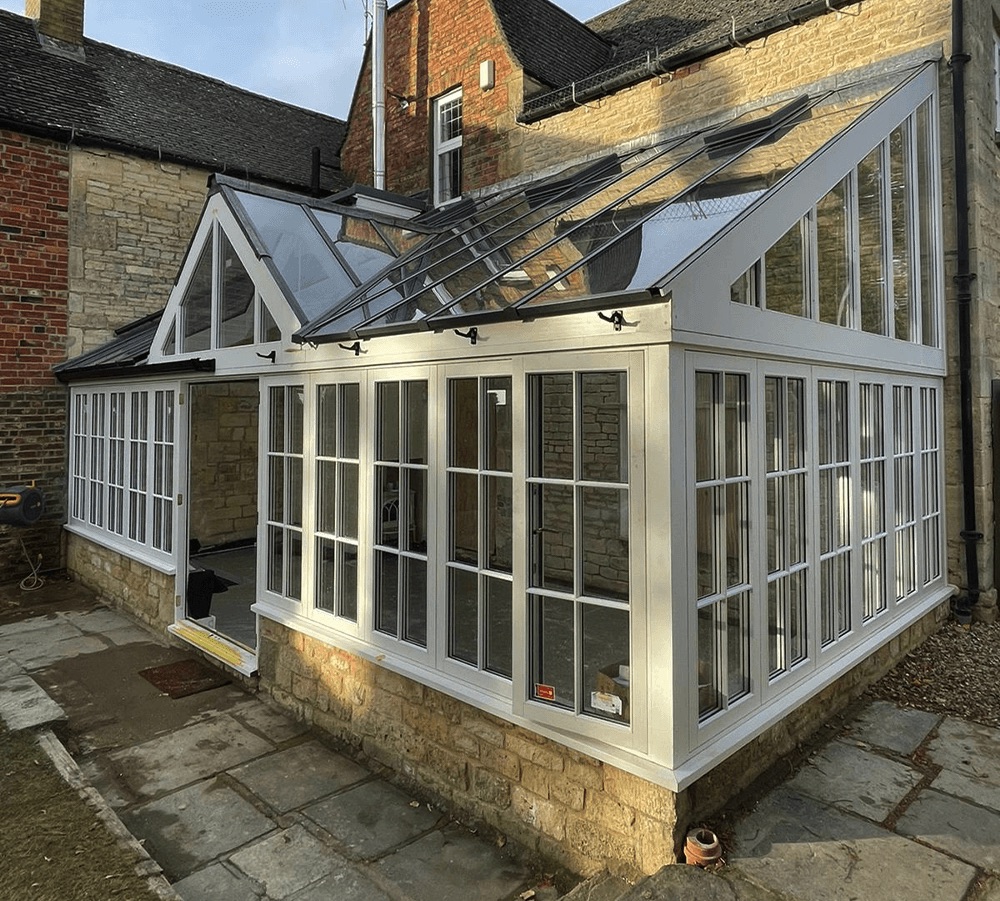
Building Regulations
Building Regulations: Ensuring Safety and Performance
Building regulations are separate from planning permission and ensure that construction work meets required standards for structural integrity, fire safety, ventilation, and energy efficiency. Most conservatories, orangeries and extensions require building regulations approval.
Our team has extensive experience with building regulations and handles all compliance requirements on your behalf. We ensure every aspect of your project—from foundations to thermal performance —meets or exceeds current standards, giving you complete peace of mind.

1-2-1 Design Consultation
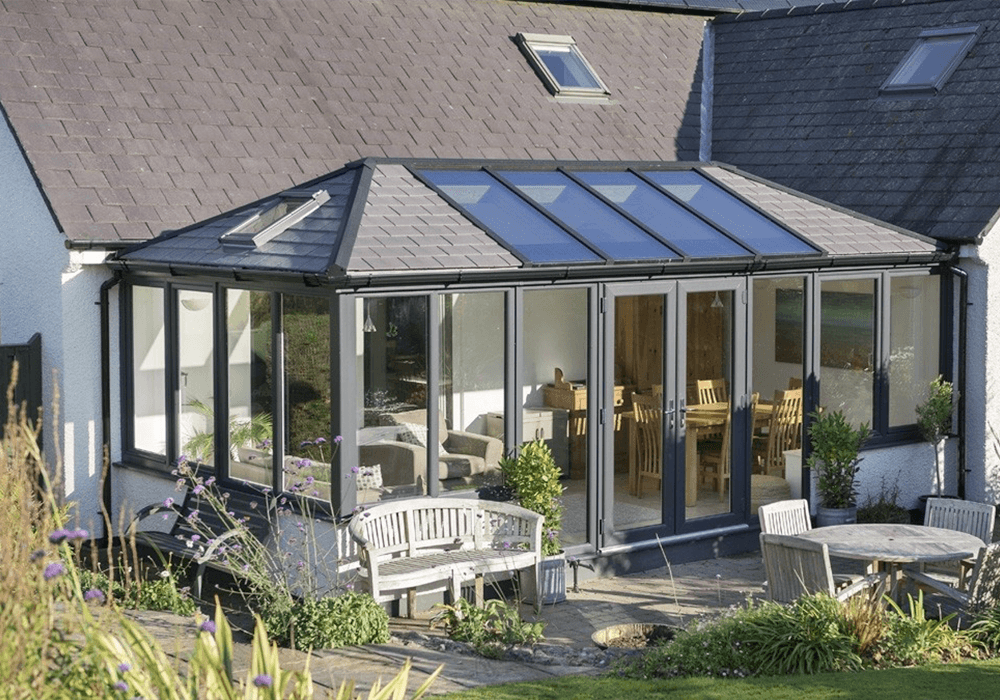
If you'd like to find out more about our T-shaped conservatories or if you have any questions, please get in touch. We'd be more than happy to discuss your options and our expert team can recommend the ideal choice to suit your design preferences.
Free Consultation





Let Us Guide You Through the Process
Our Conservatories, Orangeries & Extensions
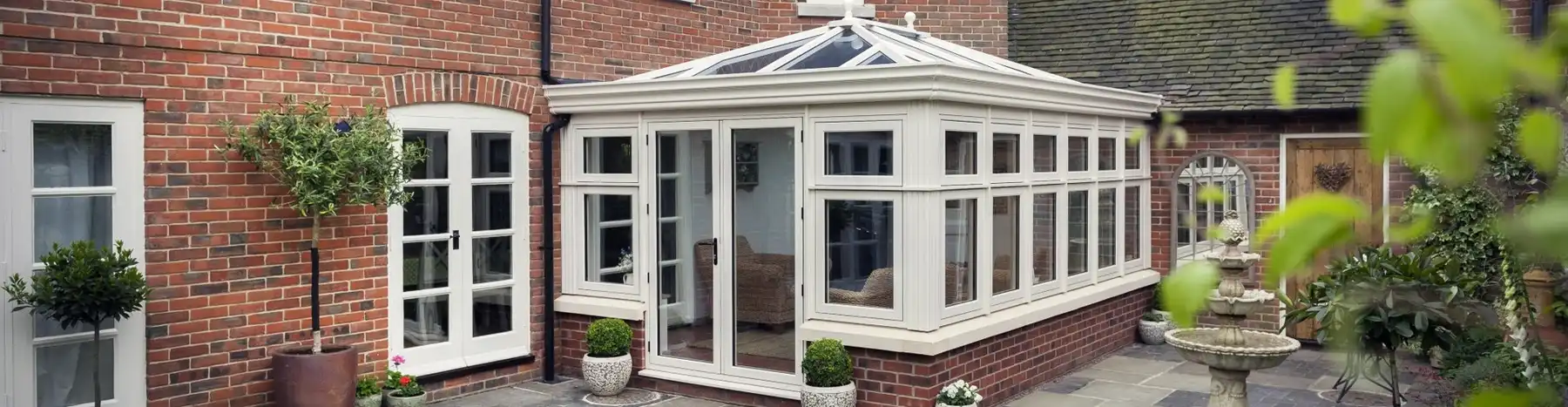
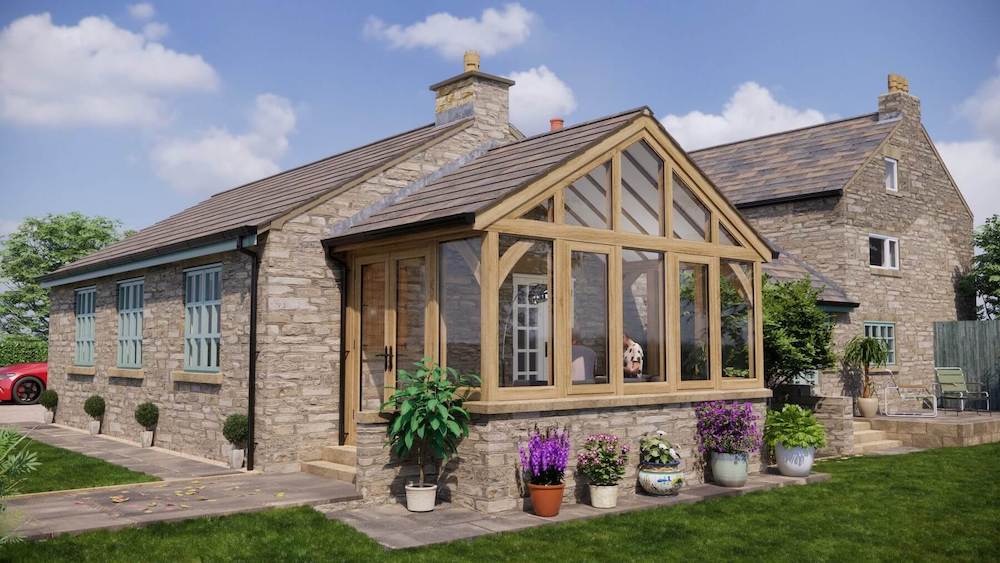
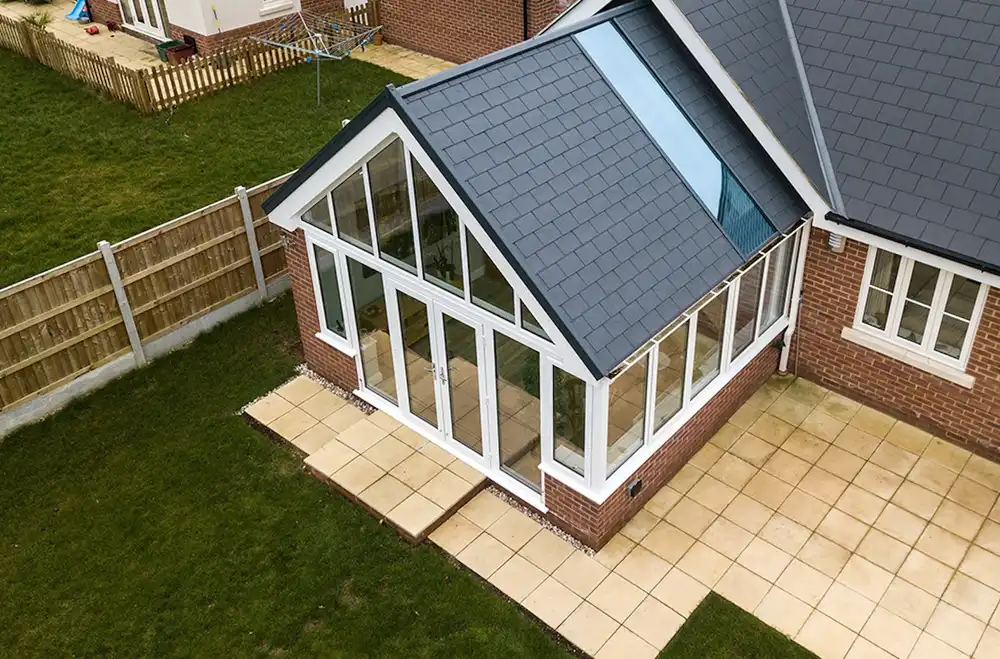
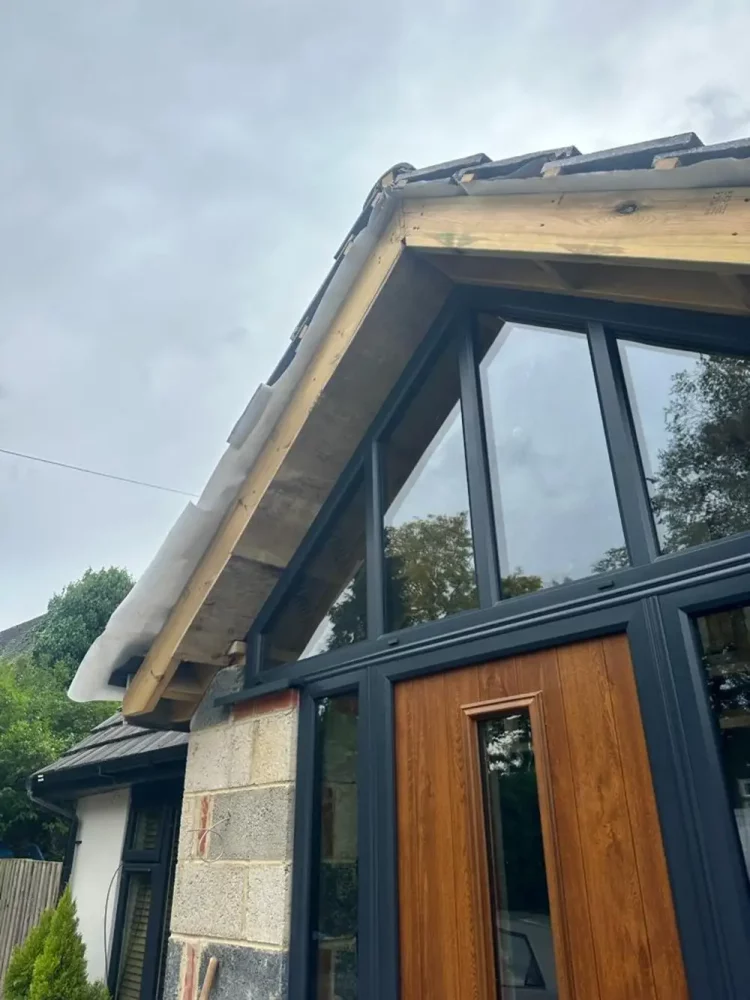
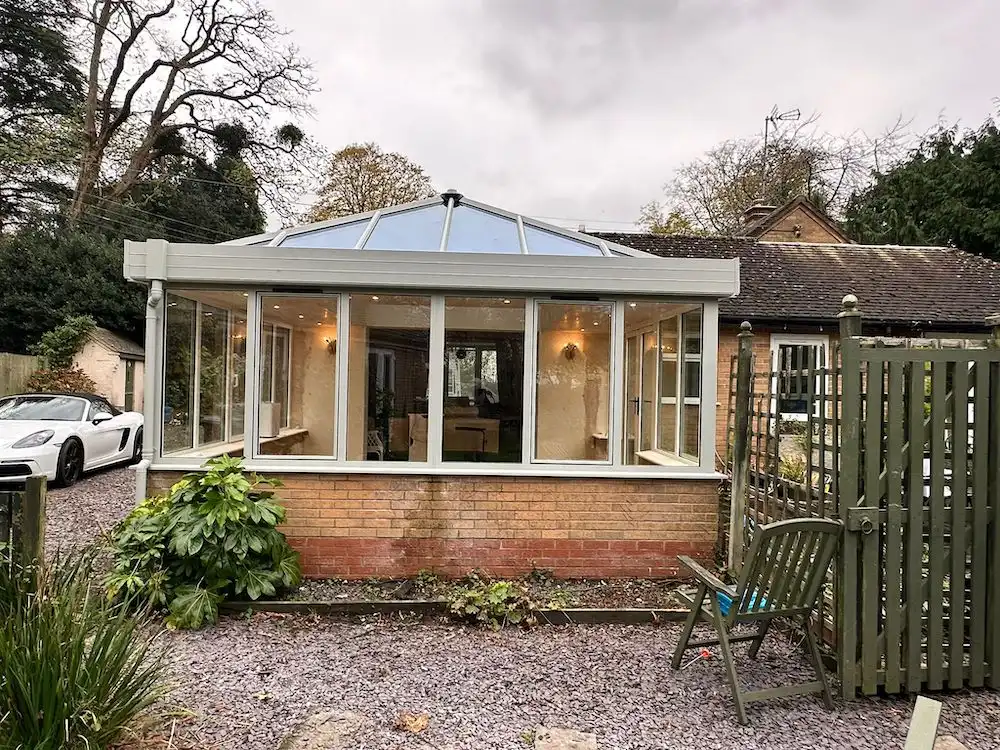
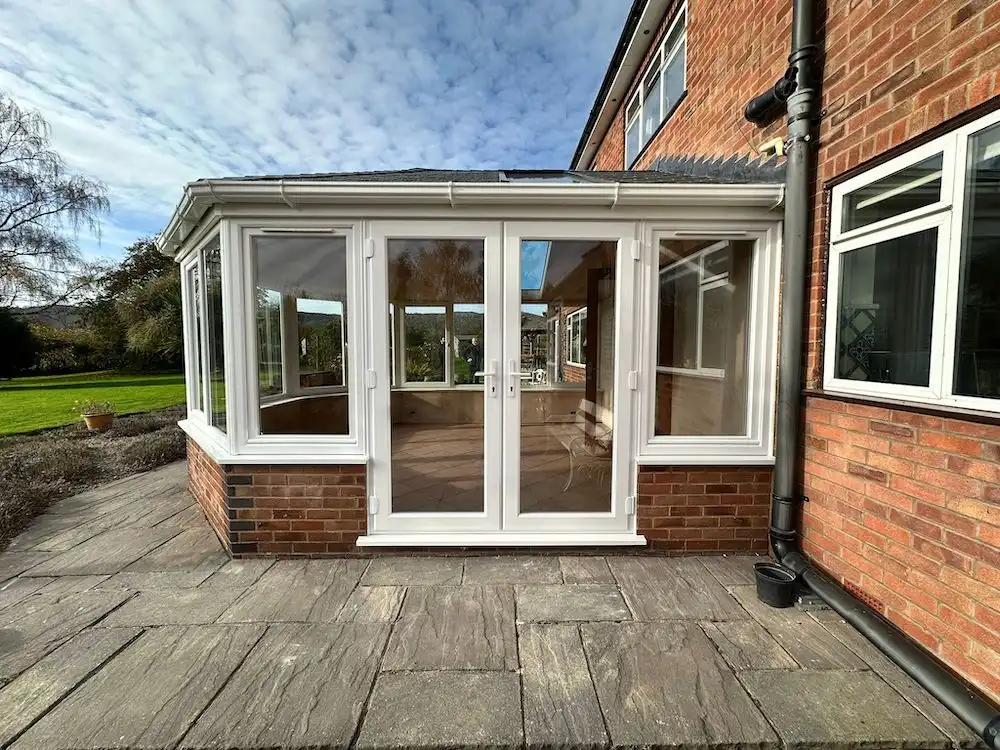
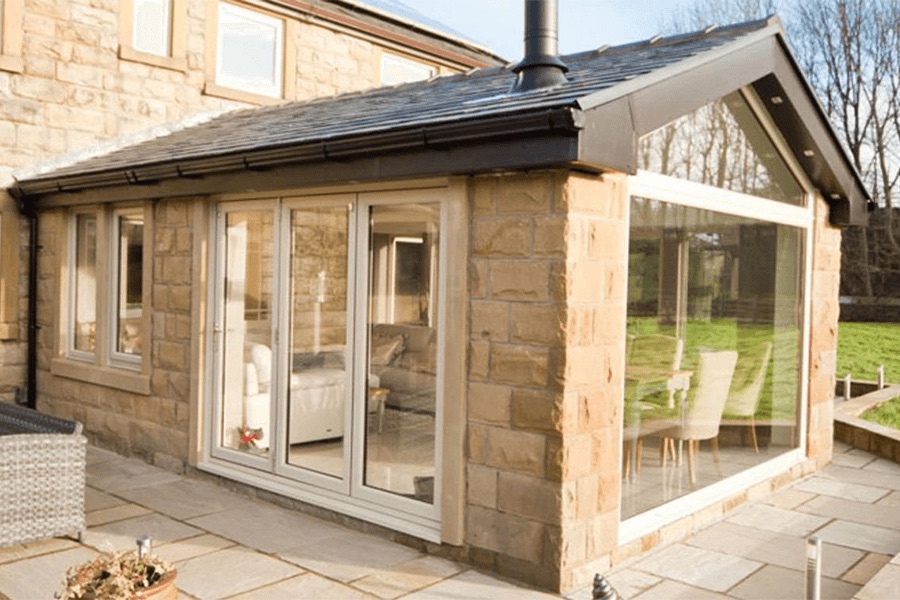
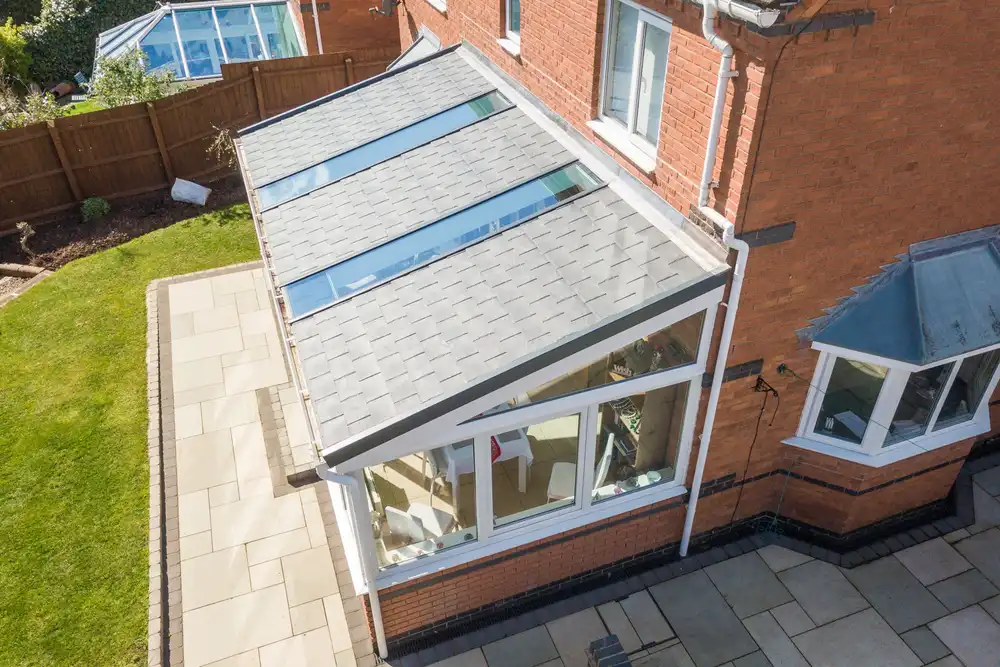
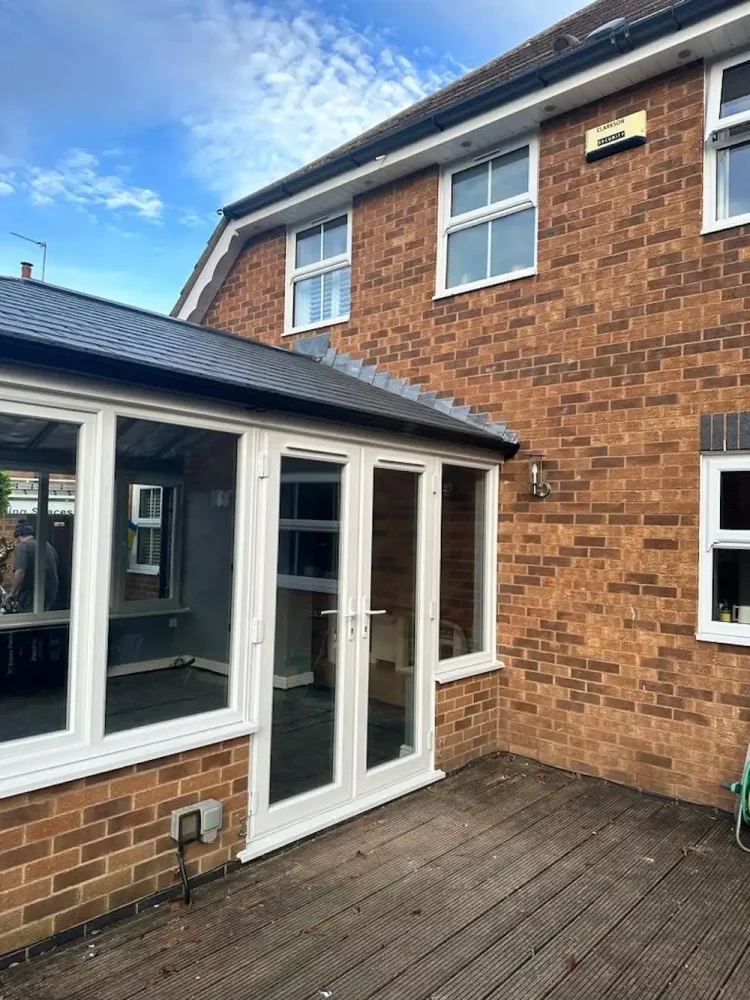
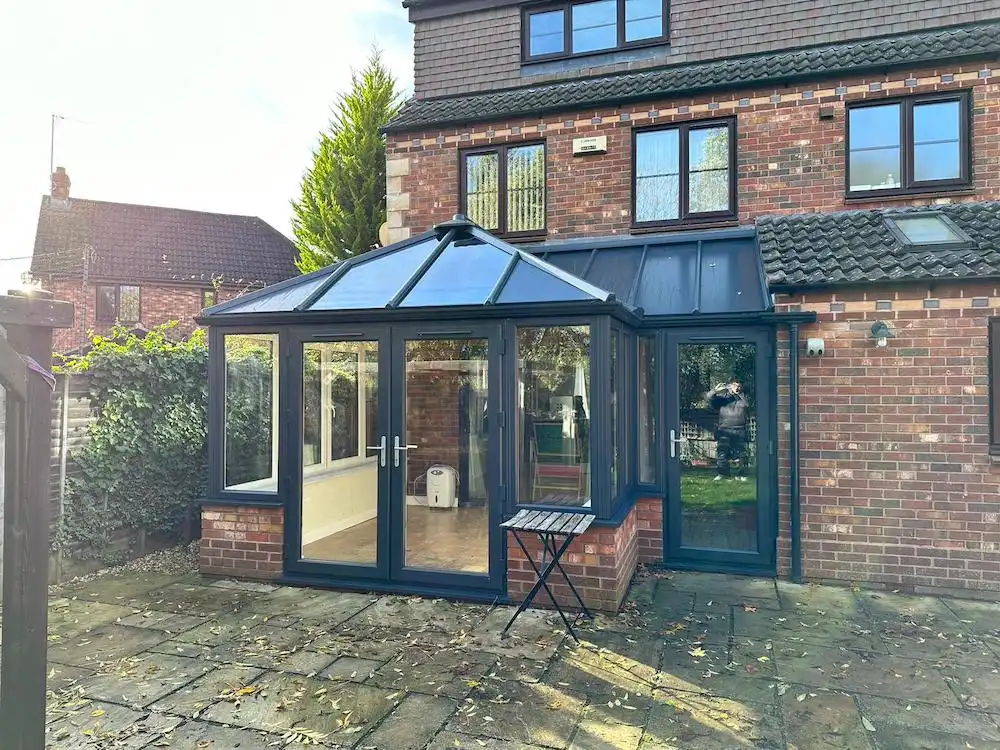
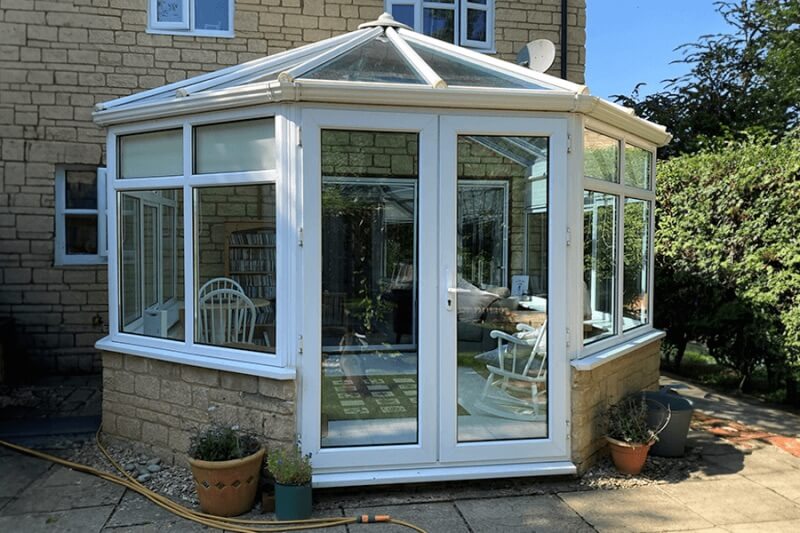
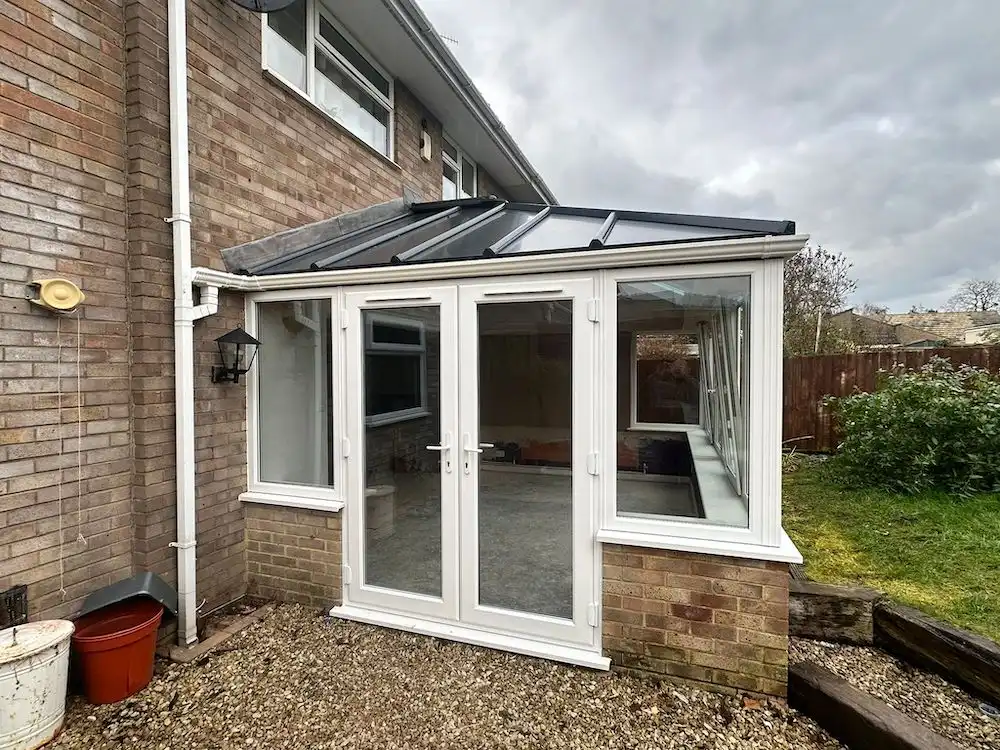
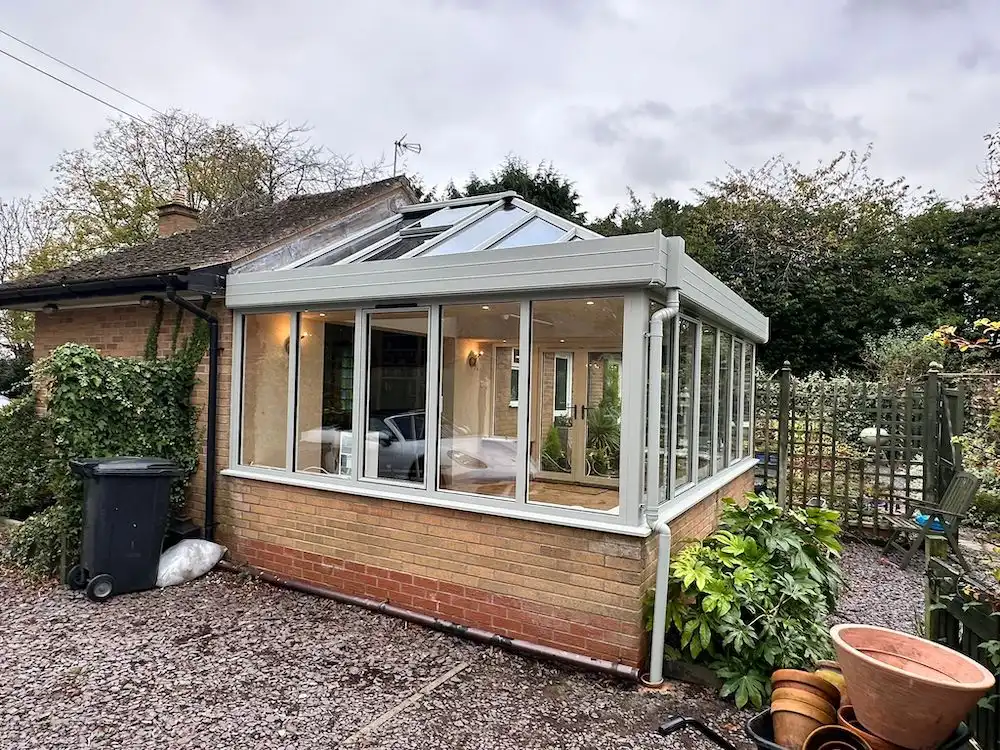
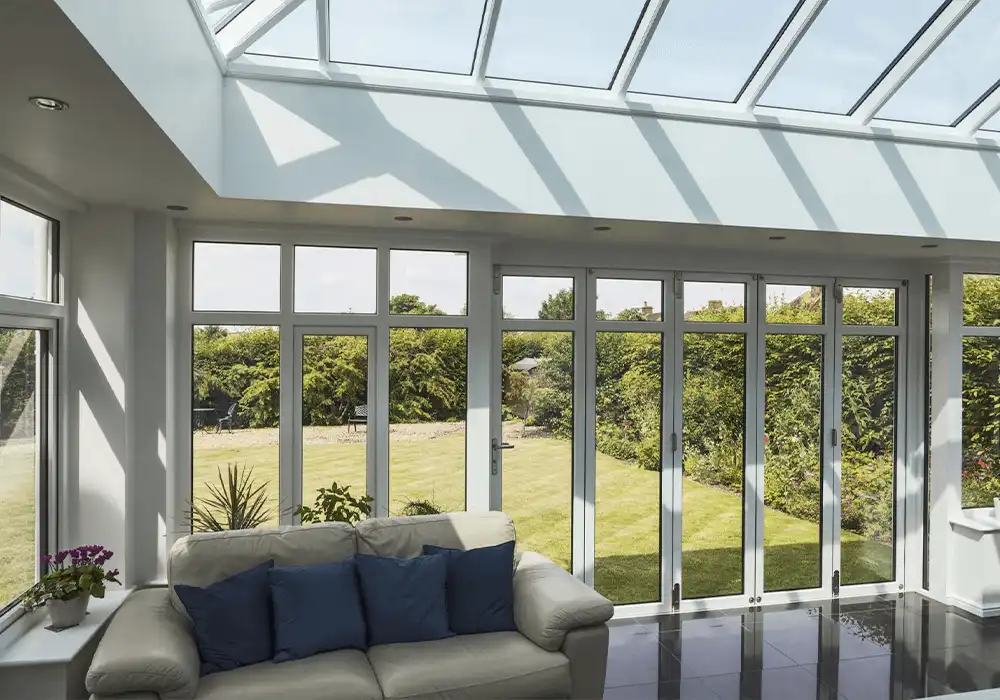
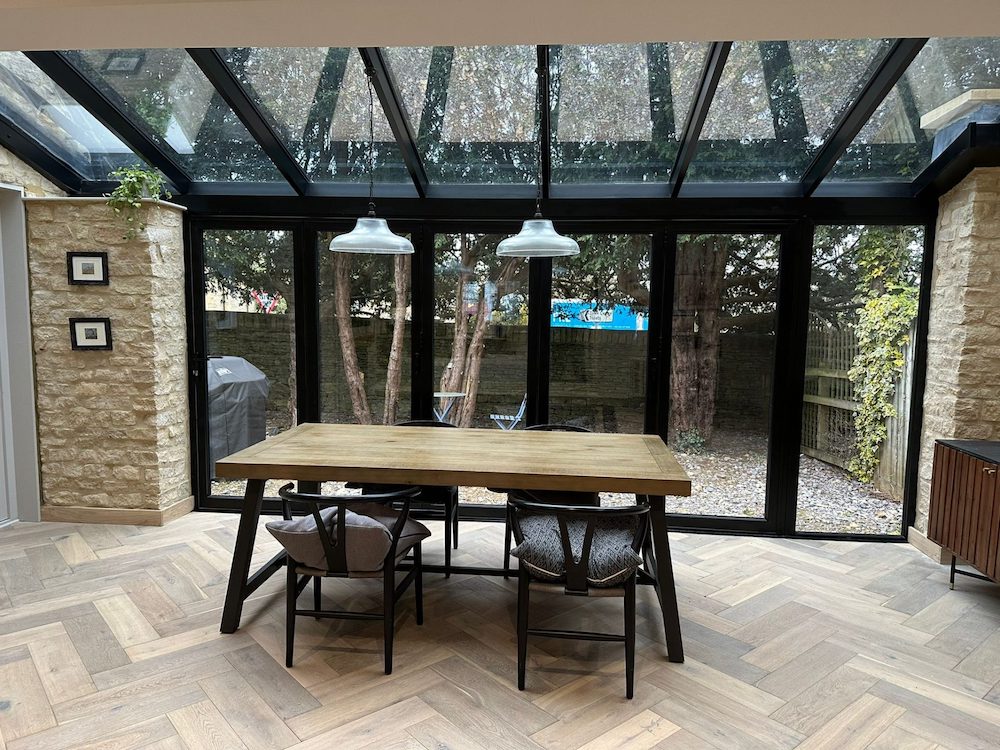
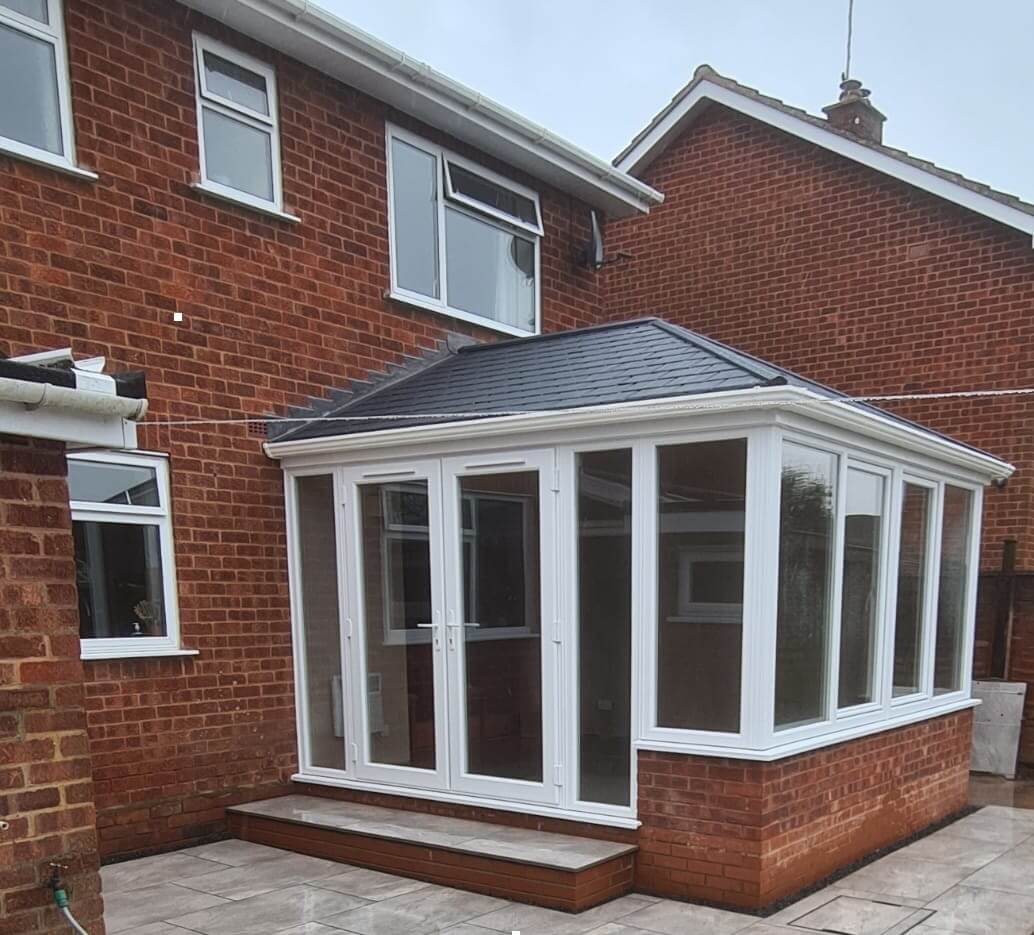
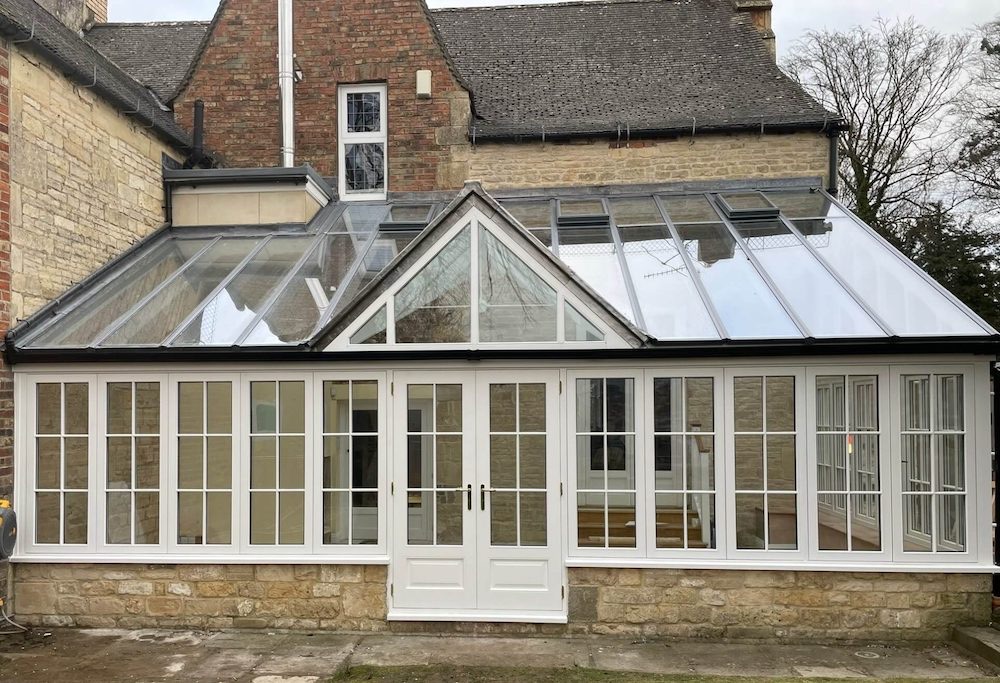
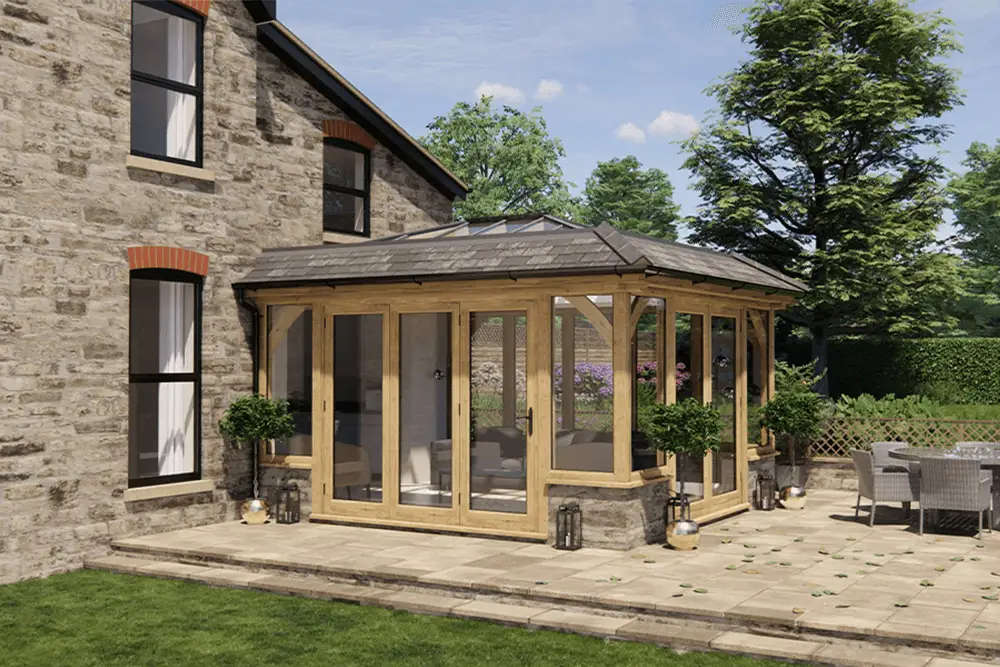
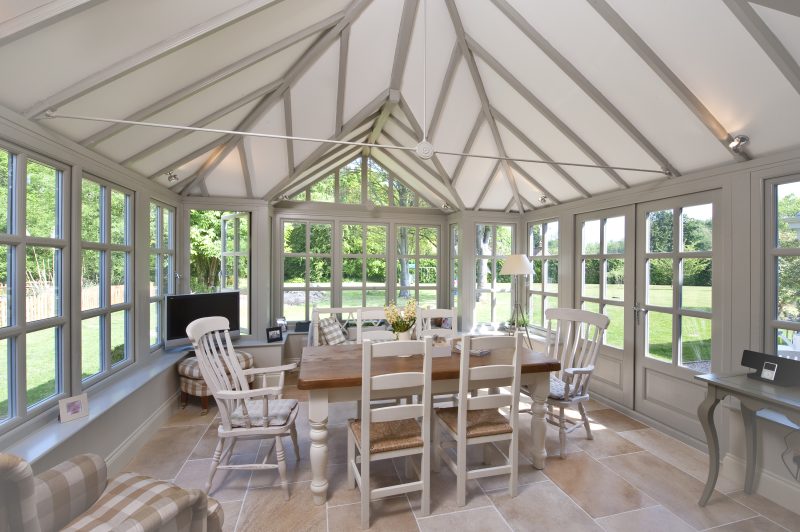
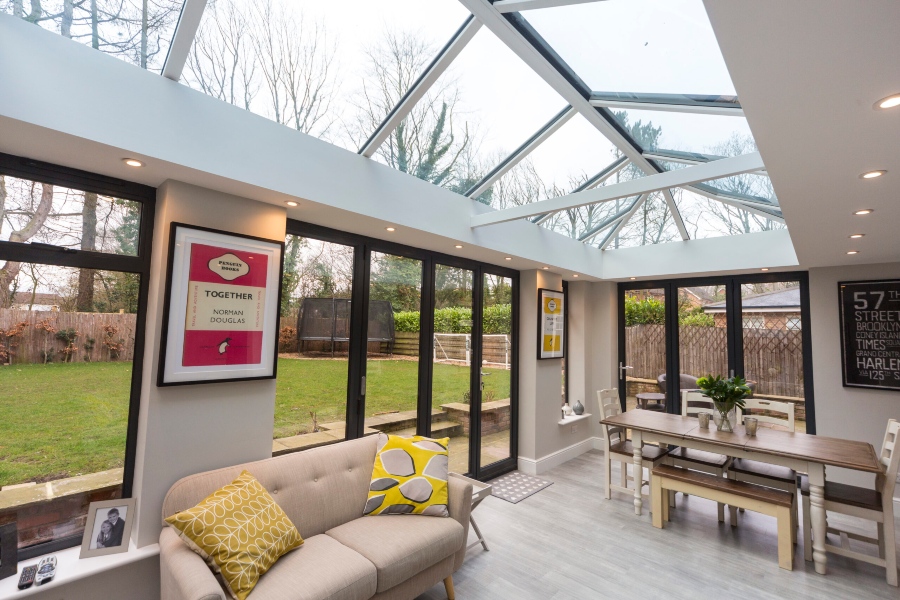
Home extensions help you get the most out of our living space, and can increase your property’s value. Our conservatories include traditional Victorian and Edwardian designs, as well as contemporary lean-to and gable styles, all available in timber, uPVC or aluminium.
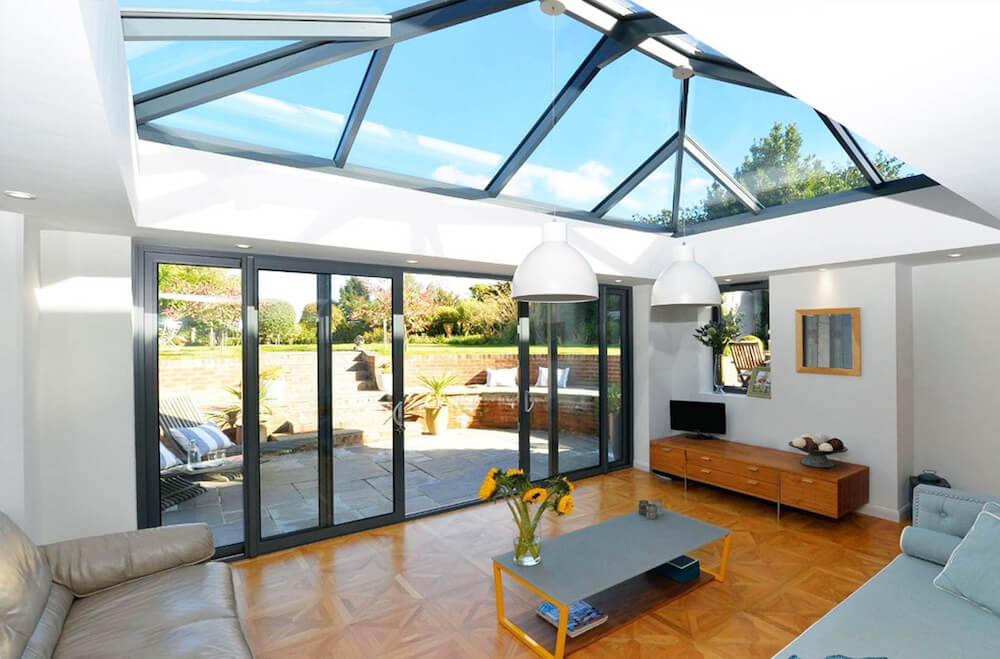
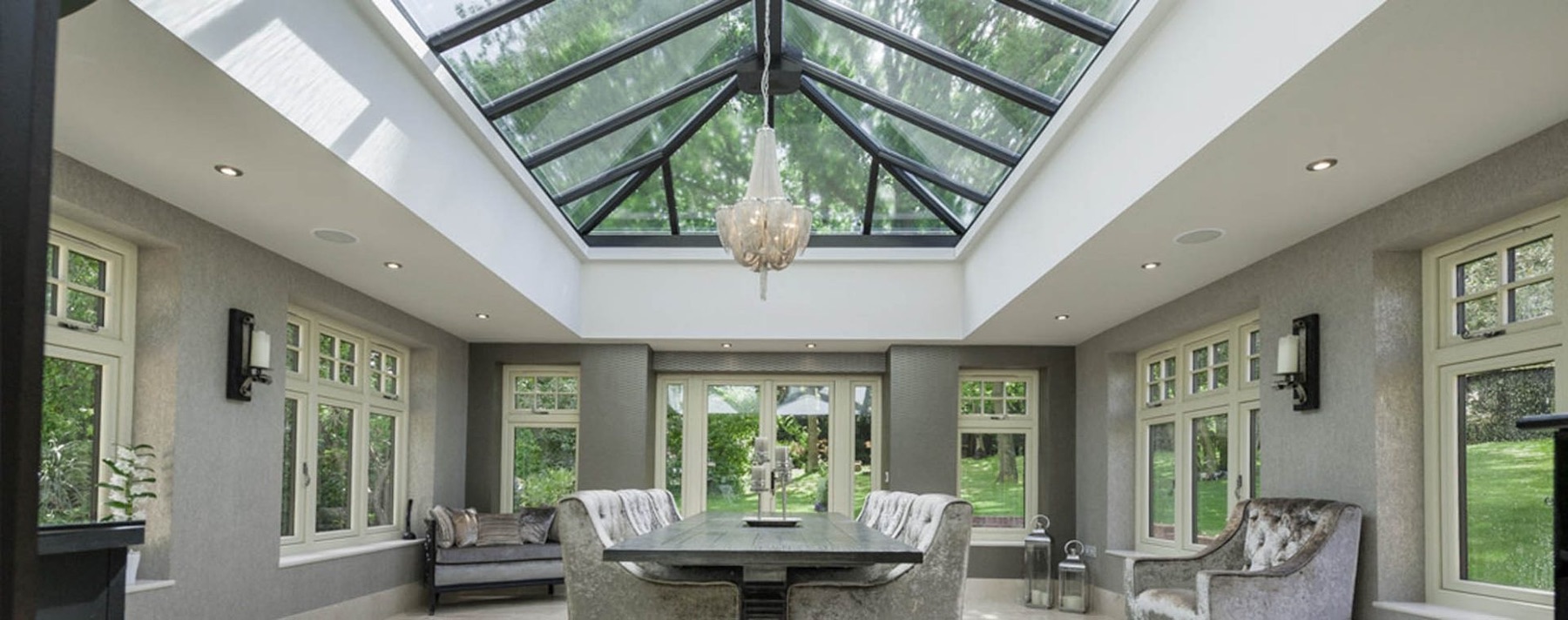
Our luxury orangeries combine solid timber construction with glazing and stunning roof lanterns.
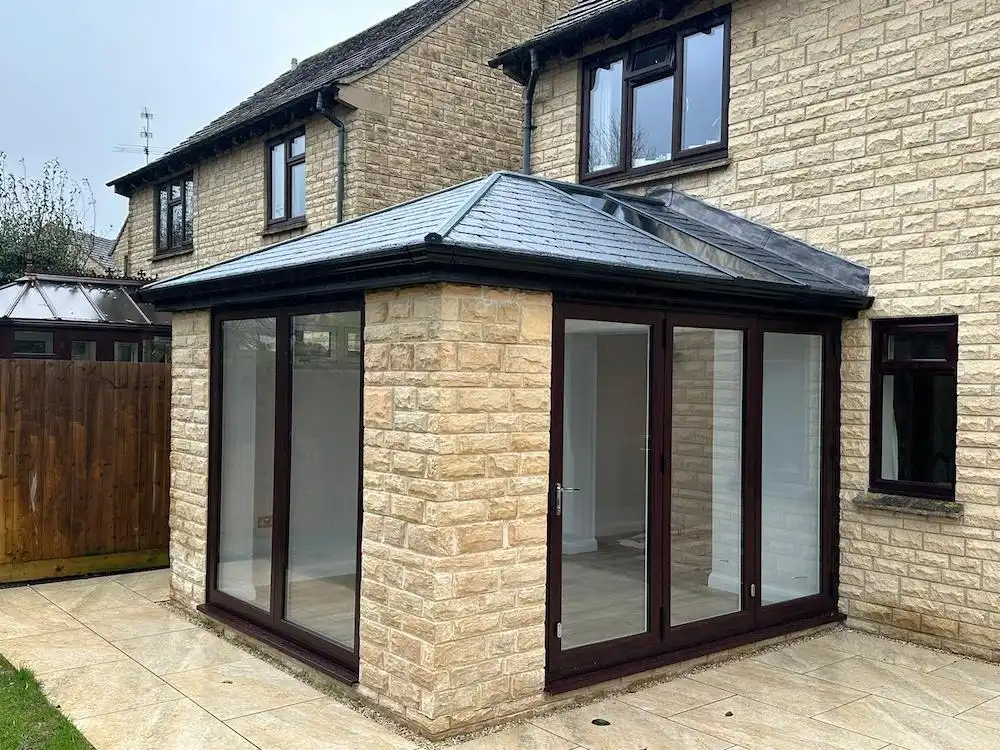
We also design ‘creative living spaces‘—bespoke projects, from single-storey extensions and garden rooms to home offices and unique designs. Using 3D CAD software, we help you visualise and refine every detail before construction begins.
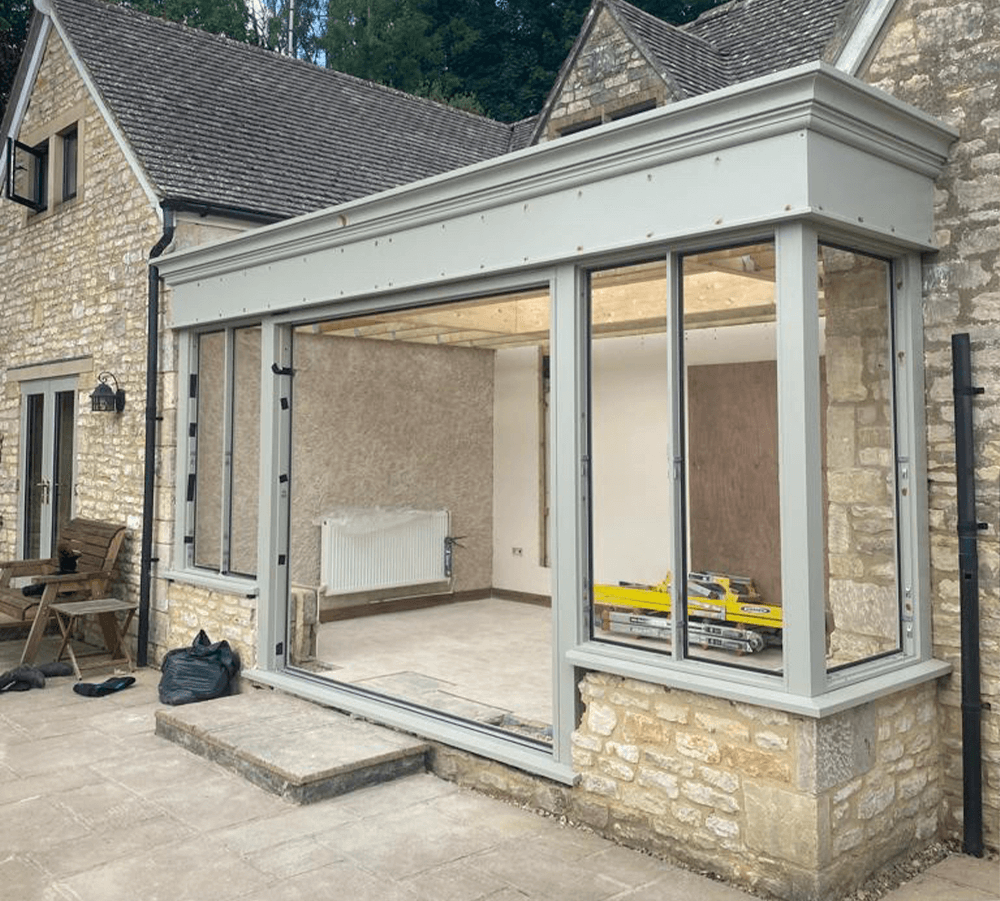
Frequently Asked Questions
We've answered some commonly asked questions to help you make an informed decision about your home improvement project. If you have any other questions, please get in touch!
Contact UsWhat's the difference between planning permission and building regulations?
Planning permission relates to whether you can build, focusing on the impact on neighbours and the surrounding area. Building regulations ensure your structure is safe, energy-efficient and meets construction standards. Even if you don’t need planning permission, building regulations always apply to conservatories and extensions.
Who should I talk to if I'm confused about planning permission?
Contact The Little Conservatory Company for expert guidance. Our experienced team understands local planning requirements throughout Gloucestershire and can clarify what applies to your property. We’ll assess your situation during a free consultation and handle the technical aspects, removing the confusion and ensuring compliance from the start.
Can I extend a listed building or property in a conservation area?
Yes, but stricter rules apply. Listed buildings almost always require listed building consent in addition to planning permission. Conservation areas have reduced permitted development rights. Our team has extensive experience with heritage properties and can guide you through the additional requirements.
What happens if I build without planning permission when it's needed?
### What happens if I build without planning permission when it’s needed? Building without required planning permission is a breach of planning law. The local authority can issue an enforcement notice requiring you to alter or remove the structure, which can be costly and stressful. We ensure your project has all necessary approvals before construction begins.
Do orangeries have different planning rules than conservatories?
What areas do you cover?
Get in touch with us today and transform your home
Latest News
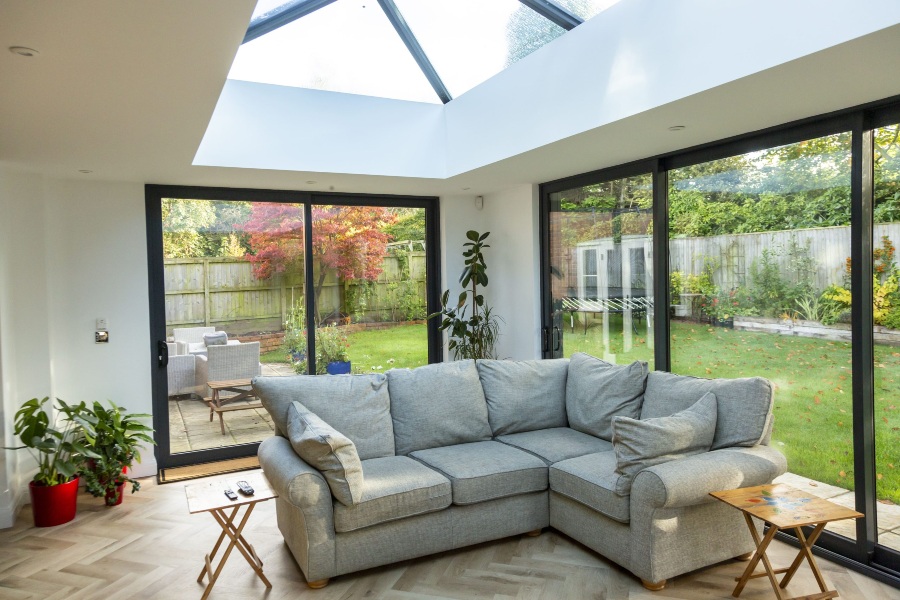
News
Building Regs Made Simple: What Applies to Conservatories, Roof Replacements, and Open-Plan Conversions?
Let's be honest. The words "building regulations" are enough to make most homeowners want to put the kettle on and pretend the whole thing can wait until next year. But...
Read more
Conservatories
Why Stroud Homeowners Choose Modern Conservatories Over Traditional Extensions
If you're considering a home improvement project in Stroud, you've likely weighed up two main options: a traditional brick-built extension or a modern conservatory. Increasingly, Stroud homeowners are choosing conservatories....
Read more
News
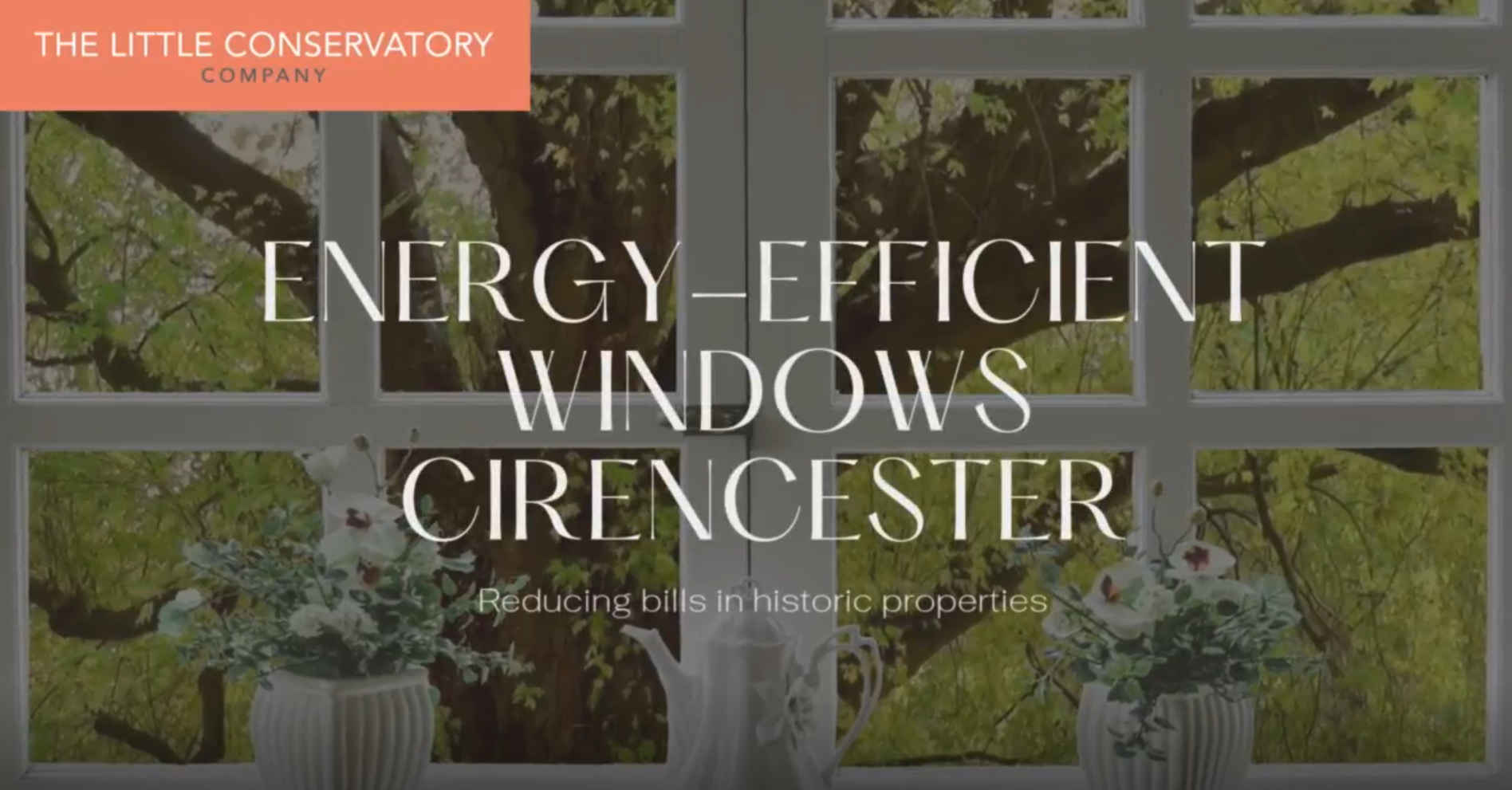
Energy-Efficient Windows Cirencester: Reducing Bills in Historic Properties
While period properties are loved across the UK for their heritage charm, they can be difficult and costly to heat. Our new video explains why energy efficient windows may be...
Read more
News
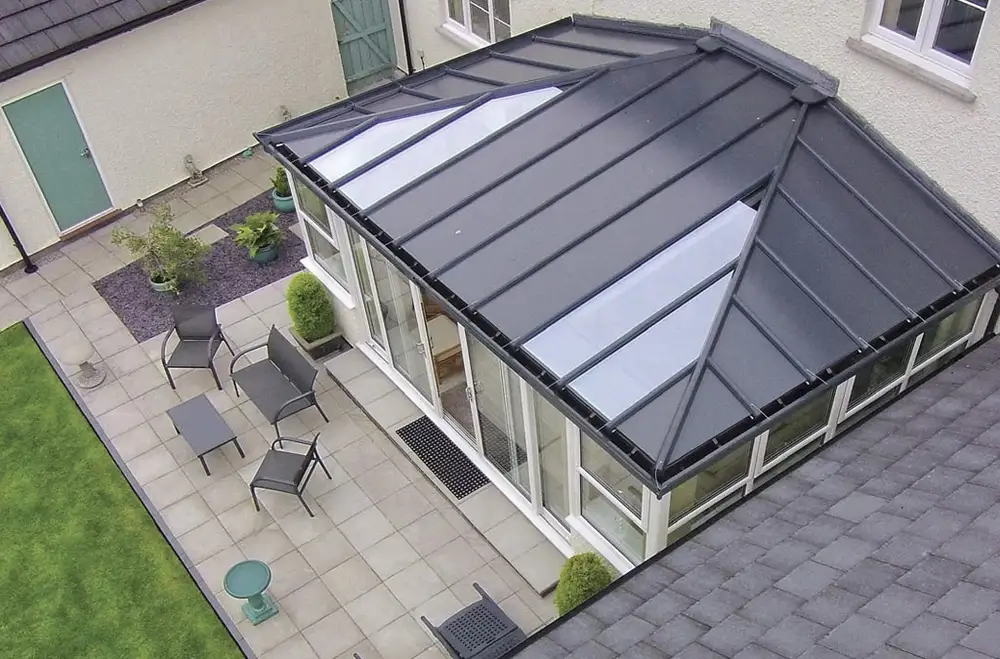
Conservatory Too Hot in Summer? Practical Fixes (and When a Roof Upgrade Helps)
If your conservatory feels great in spring but becomes unbearable in summer, it’s usually down to a combination of solar gain, limited ventilation, and roof/glazing performance. The good news is...
Read more
Conservatories
Tewkesbury conservatory styles: Victorian vs Edwardian design comparison
Thinking about adding a conservatory to your Tewkesbury home? You're probably discovering there's more to consider than you first thought. Choosing between Victorian and Edwardian styles is one of the...
Read more
News
Polycarbonate vs Glass Conservatory Roofs: The Ultimate Comparison
Choosing the right conservatory roof material is one of the most important decisions you'll make when planning a new conservatory or upgrading an existing space. While polycarbonate and glass roofs...
Read more